

Coconut Shell Powder Pneumatic Conveying System: Equipment Overview and Structural Principles
Shandong HeadPowder Engineering Co., Ltd., a professional manufacturer based in Shandong, China, specializes in the design, production, and supply of advanced pneumatic conveying systems tailored for various industrial applications. The company, commonly known as HeadPowder, focuses on delivering high-efficiency and reliable equipment for handling bulk materials like coconut shell powder, ensuring optimal performance in material transport processes.

Overview of the Coconut Shell Powder Pneumatic Conveying System
The coconut shell powder pneumatic conveying system is a sophisticated piece of industrial equipment engineered to efficiently transport fine powders, such as coconut shell powder, from one location to another without the need for mechanical components like belts or buckets. This system leverages the principles of pneumatic transport, utilizing air pressure to move the material through a network of pipes and components. The system is designed to handle materials with specific characteristics, including low bulk density and potential dust generation, making it suitable for applications in food processing, chemical manufacturing, and other industries where material handling demands precision and cleanliness.
Key Components and Structural Principles
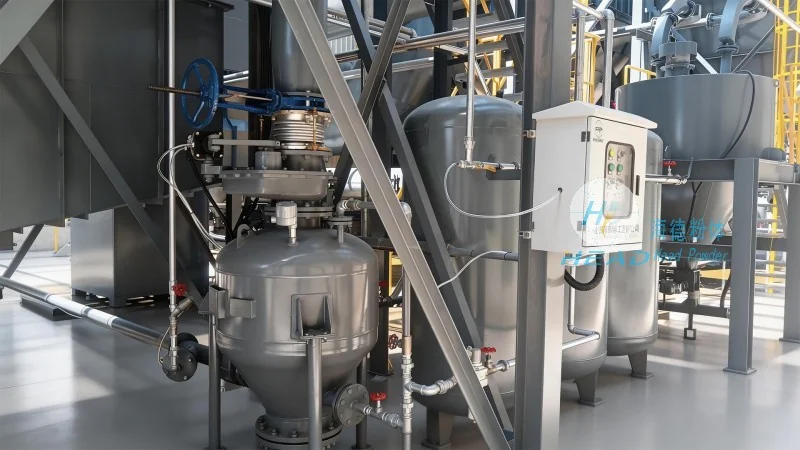
The pneumatic conveying system for coconut shell powder consists of several critical components, each playing a vital role in the overall operation. The main parts include the material feeder, the air compressor, the conveying pipeline, the separation unit, and the discharge device. The material feeder is responsible for feeding the coconut shell powder into the system at a controlled rate, ensuring a consistent flow of material. The air compressor generates the necessary air pressure to create the conveying medium, which propels the powder through the pipeline. The conveying pipeline, typically made of stainless steel or other corrosion-resistant materials, is designed to withstand the abrasive nature of the powder and maintain airtight integrity to prevent material loss or contamination.

The separation unit, often a cyclone or a bag filter, is integrated into the system to separate the powder from the air stream after it has been transported. This component ensures that the powder is collected efficiently while the air is either recirculated or discharged, depending on the system design. The discharge device, located at the destination point, allows the coconut shell powder to be released in a controlled manner, preventing spillage and maintaining a clean working environment. The structural design of the system emphasizes durability, ease of maintenance, and compliance with industrial safety standards, ensuring long-term reliability and performance.
Working Principle and Operational Efficiency
The operational principle of the coconut shell powder pneumatic conveying system is based on the creation of a high-pressure air stream that entrains the powder particles and transports them through the pipeline. The system operates by first feeding the powder into the material feeder, which then introduces it into the air stream generated by the compressor. As the air and powder mixture moves through the pipeline, the powder is carried along by the air, maintaining a stable flow. The separation unit then works to separate the powder from the air, typically by using centrifugal force in a cyclone separator or by filtration in a bag filter. The separated powder is collected in a storage bin or container, while the air is either filtered and recirculated back into the system or released to the atmosphere, depending on the specific requirements of the application.
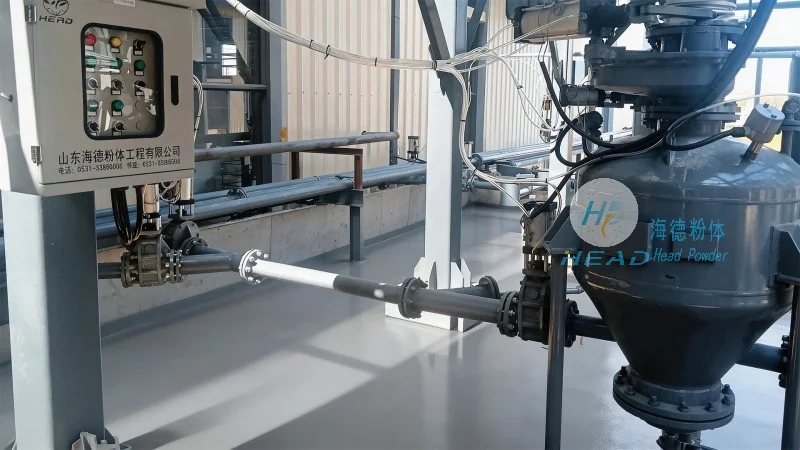
The efficiency of the system is influenced by several factors, including the air pressure, the flow rate of the material, and the design of the conveying pipeline. Properly sizing the components, such as the air compressor and the material feeder, is crucial to ensure optimal performance and minimize energy consumption. The system is designed to handle varying material loads and flow rates, adapting to the specific needs of the industrial process. Additionally, the use of advanced materials and engineering techniques ensures that the system can withstand the abrasive nature of coconut shell powder, reducing wear and tear and extending the lifespan of the equipment.
Advantages and Applications
The coconut shell powder pneumatic conveying system offers several advantages over traditional mechanical conveying methods. These include reduced material degradation due to minimal contact with mechanical parts, improved hygiene and cleanliness in food processing applications, and enhanced safety by eliminating the need for moving parts that could pose a risk of entanglement or injury. The system is also highly flexible, allowing for easy integration into existing production lines and the ability to transport materials over long distances without the need for intermediate storage or handling.
Applications of this system are widespread across various industries. In the food industry, it is used for transporting coconut shell powder used in the production of coconut-based products, such as coconut milk, coconut oil, and other food additives. In the chemical industry, it is employed for handling powders used in the manufacturing of cosmetics, pharmaceuticals, and other chemical products. Additionally, the system is suitable for applications in the agricultural sector, where it can be used to transport processed agricultural materials, and in the construction industry for handling materials like cement or other fine powders.