

Introduction to Coal and Coke Pneumatic Conveying System Equipment and Its Structural Principles
HeadPowder, a leading manufacturer based in Shandong, China, specializes in the design, production, and supply of advanced pneumatic conveying systems tailored for coal and coke applications. This article provides an overview of the key equipment components, structural design, and operational principles of such systems, highlighting the engineering excellence and practical applications in industrial settings.
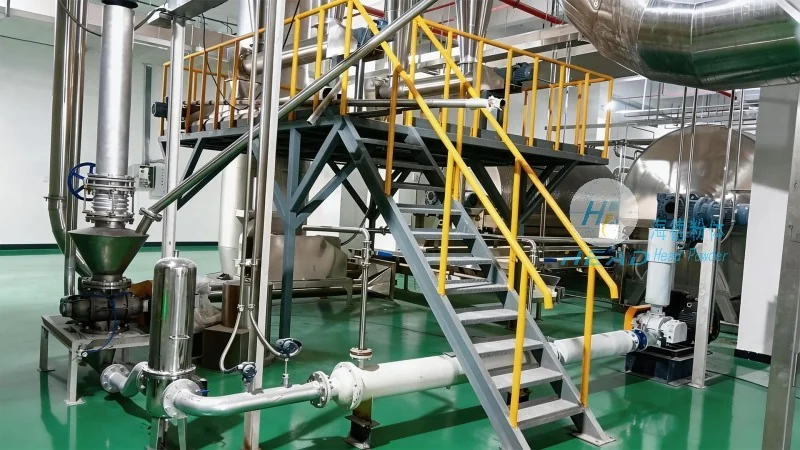
Overview of Coal and Coke Pneumatic Conveying Systems
Pneumatic conveying systems are essential for efficiently transporting bulk materials like coal and coke from one location to another within industrial facilities. These systems utilize compressed air or other gases to move materials through a pipeline network, offering advantages such as dust control, reduced labor costs, and the ability to transport materials over long distances without the need for mechanical components like conveyor belts or buckets. The core components of a typical coal and coke pneumatic conveying system include the material feed hopper, rotary valve, air compressor, filter, and the conveying pipeline itself. Each component plays a critical role in ensuring the system operates reliably and efficiently.

Key Equipment Components and Their Functions
The material feed hopper is the initial component where coal or coke is stored before being introduced into the system. It is designed to maintain a consistent material level and prevent blockages. The rotary valve, often referred to as a feeder, is responsible for controlling the flow rate of the material into the conveying line. This component ensures a steady and controlled feed, preventing overloading or underfeeding of the system. The air compressor is the heart of the pneumatic conveying system, generating the necessary pressure to move the material through the pipeline. It is typically equipped with a pressure regulator to maintain consistent air pressure, which is crucial for optimal performance. The filter, positioned downstream of the compressor, removes any moisture or particulate matter from the air, preventing contamination and ensuring the longevity of downstream components. The conveying pipeline, usually made of stainless steel or other corrosion-resistant materials, is designed to withstand the pressure and abrasive nature of the coal or coke being transported.

Structural Design and Operational Principles
The structural design of a coal and coke pneumatic conveying system is carefully engineered to handle the specific challenges of transporting these materials. The pipeline layout is typically arranged in a loop or straight line, depending on the layout of the industrial facility. The system may include vertical and horizontal sections, with bends and elbows strategically placed to maintain the flow of material. The use of airlocks or surge hoppers at the discharge end helps to control the flow of material and prevent backflow. The operational principle is based on the Bernoulli effect, where the high-velocity air stream creates a low-pressure zone that pulls the material particles into the pipeline. The material is then carried along by the air stream until it reaches the discharge point, where the air velocity decreases and the material settles out. The system is designed to maintain a consistent air-to-material ratio to ensure efficient transport and minimize energy consumption.
Applications and Benefits in Industrial Settings
Coal and coke pneumatic conveying systems are widely used in various industrial applications, including power plants, steel mills, and chemical processing facilities. The primary benefits of these systems include improved safety by reducing dust exposure, increased efficiency by automating material transport, and cost savings by minimizing labor and maintenance requirements. The systems are also designed to be flexible, allowing for easy integration into existing industrial layouts and adaptation to changing production needs. HeadPowder's expertise in designing and manufacturing these systems ensures that clients receive customized solutions that meet their specific operational requirements and performance standards.

Conclusion
In summary, coal and coke pneumatic conveying systems are sophisticated pieces of industrial equipment that combine advanced engineering with practical application to efficiently transport bulk materials. The key components, structural design, and operational principles work together to provide reliable and efficient material handling solutions. HeadPowder, with its strong presence in Shandong, China, continues to lead in the development and supply of these systems, providing industrial clients with high-quality, durable, and effective solutions for their material transport needs.