

Principles and Operational Scenarios of Mobile Powder Transport Systems
Mobile powder handling systems represent a sophisticated solution for the efficient and safe transportation of bulk powders in various industrial settings. The core principle behind these systems lies in the integration of advanced engineering and material science to ensure reliable, low-maintenance operation. This article delves into the fundamental principles of mobile powder transport and explores the distinct characteristics of its operational scenarios, providing a comprehensive overview for industry professionals.

Company Overview and Expertise
HeadPowder, a leading manufacturer in the field, specializes in the design, development, and implementation of mobile powder handling solutions. With a strong presence in Shandong, China, the company leverages over a decade of experience to deliver customized systems tailored to diverse industrial needs. The company's commitment to innovation and quality ensures that each mobile powder transport system meets the highest standards of performance and safety.
The Fundamental Principles of Mobile Powder Conveying
The operation of mobile powder handling systems is based on several key principles that ensure efficient material movement. The primary mechanism involves the use of positive displacement or pneumatic conveying technologies, which allow for the controlled transport of powders through pipelines or flexible hoses. These systems are engineered to maintain consistent flow rates, minimizing the risk of material degradation or blockages. Additionally, the design incorporates features such as adjustable speed controls and pressure monitoring to adapt to varying material properties and operational conditions. The integration of these principles ensures that the system operates smoothly, even with different types of powders, from fine powders to bulk materials.
Key Components and Their Functions
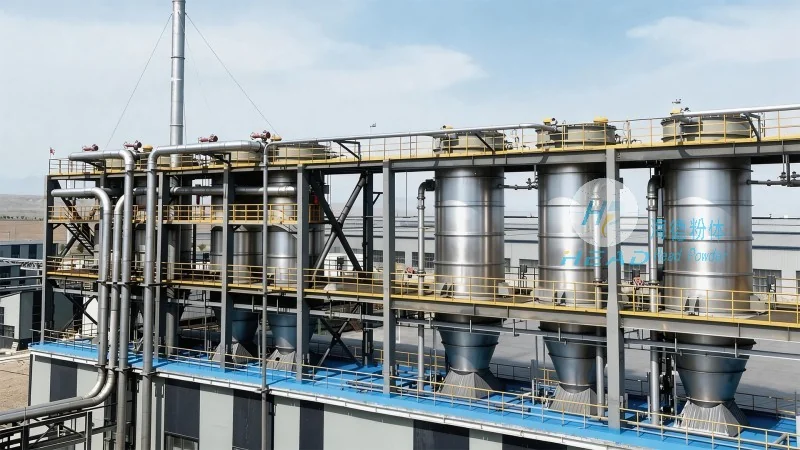
Mobile powder transport systems consist of several critical components that work in tandem to achieve optimal performance. The main components include a mobile conveying unit, which houses the motor and control system; a hopper or feed mechanism for material intake; and a discharge outlet for material release. The conveying unit is typically equipped with a variable-frequency drive (VFD) to regulate the speed of the conveyor, allowing for precise control over the flow rate. The hopper is designed with a sloped bottom to facilitate smooth material discharge, reducing the risk of clogging. Furthermore, the system may include a dust collection system to maintain air quality and prevent dust accumulation, which is crucial for both safety and environmental compliance.

Application Scenarios and Operational Characteristics
The operational scenarios of mobile powder handling systems are diverse and tailored to specific industrial requirements. These systems are commonly used in sectors such as pharmaceuticals, food processing, chemical manufacturing, and construction. In pharmaceutical applications, the systems are designed to handle sensitive materials with strict contamination control measures, ensuring that the powders remain sterile and free from particulate matter. In food processing, the equipment is constructed from food-grade materials and equipped with sanitary features to meet regulatory standards. For chemical manufacturing, the systems are engineered to handle corrosive or hazardous materials, incorporating explosion-proof designs and robust construction to ensure safety. In construction, mobile powder transport systems are used for the efficient delivery of cement, sand, and other bulk materials to job sites, improving productivity and reducing labor costs.

Advantages of Mobile Powder Handling Systems
Mobile powder handling systems offer several advantages over traditional fixed systems, making them an attractive choice for many industries. One of the primary benefits is their flexibility, as the systems can be easily repositioned to accommodate changing production layouts or job site requirements. This mobility reduces the need for extensive infrastructure modifications and allows for rapid deployment in new locations. Additionally, the systems are designed for low maintenance, with components that are easily accessible and replaceable, minimizing downtime and operational costs. The energy efficiency of these systems is another key advantage, as they use less power compared to traditional methods, contributing to lower operational expenses and reduced environmental impact. Furthermore, the systems provide improved safety features, such as enclosed conveying paths and dust collection, which help to prevent accidents and comply with safety regulations.
Conclusion and Future Outlook
Mobile powder handling systems represent a vital advancement in the field of bulk material transport, offering efficient, flexible, and safe solutions for various industrial applications. With the expertise of companies like Shandong HeadPowder Engineering Co., Ltd., these systems continue to evolve, incorporating new technologies and materials to meet the growing demands of modern industries. As the need for efficient and sustainable material handling solutions increases, mobile powder transport systems are poised to play an increasingly important role in the future of industrial operations.