

Principles and Working Scene Characteristics of Silicate Powder Conveying
HeadPowder, as the name suggests, specializes in the engineering and technology of powder handling, particularly in the field of silicate powder conveying. With a base in Shandong, China, the company has established itself as a key player in providing efficient and reliable solutions for the transportation of silicate powders across various industrial applications.
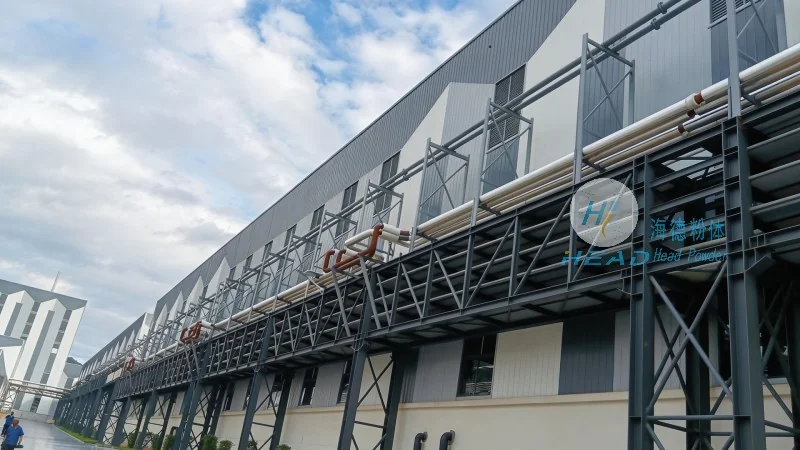

The Principles of Silicate Powder Conveying
Silicate powders, such as those derived from minerals like quartz, feldspar, or clay, present unique challenges in handling due to their fine particle size, cohesive properties, and potential for dust generation. The core principle of silicate powder conveying involves the use of specialized equipment designed to overcome these challenges while ensuring minimal material loss and maximum operational efficiency. Key technologies include pneumatic conveying systems, mechanical screw conveyors, and vacuum transport methods, each tailored to the specific characteristics of the powder being handled. The selection of the appropriate conveying method depends on factors like particle size distribution, moisture content, and the required conveying distance, all of which are critical to achieving optimal performance.

Working Scene Characteristics of Silicate Powder Conveying
The working scenes for silicate powder conveying vary widely across different industries, each presenting distinct operational requirements and environmental considerations. In the construction industry, for example, silicate powders are commonly used as raw materials for cement and concrete production, where the conveying system must handle large volumes of material while maintaining consistent quality. The manufacturing of ceramics and glass also relies heavily on silicate powders, requiring precise control over particle size and moisture to ensure the final product meets stringent standards. Additionally, in the chemical and pharmaceutical sectors, the handling of silicate powders often involves stringent safety protocols due to the potential for dust explosions and inhalation hazards. These diverse applications highlight the importance of understanding the specific characteristics of each working scene to design an effective conveying solution.

Advantages of Silicate Powder Conveying Systems
Effective silicate powder conveying systems, as provided by HeadPowder, offer several key advantages that enhance operational performance and reduce costs. These systems are designed to minimize material degradation, which is crucial for maintaining the quality of the final product. By using low-pressure or vacuum conveying methods, the risk of dust contamination and particle breakage is significantly reduced, ensuring that the material reaches its destination in the same condition as when it was loaded. Another advantage is the ability to handle a wide range of particle sizes and moisture levels, making the systems versatile and adaptable to different production needs. Furthermore, the systems are engineered for durability and low maintenance, contributing to long-term cost savings and operational reliability. The integration of advanced control systems allows for real-time monitoring and adjustment of conveying parameters, ensuring optimal performance under varying conditions.