

Introduction to Petroleum Coke Powder Pneumatic Conveying Equipment: Structure and Working Principle
This article provides an overview of pneumatic conveying equipment designed for handling petroleum coke powder, focusing on its structural design and operational principles. Pneumatic conveying systems are widely used in industrial applications to transport bulk materials like petroleum coke powder efficiently and safely. The equipment plays a crucial role in various industries, including petrochemical and steel production, where the reliable movement of such powders is essential for production processes.

Key Components and Structural Design of the Equipment
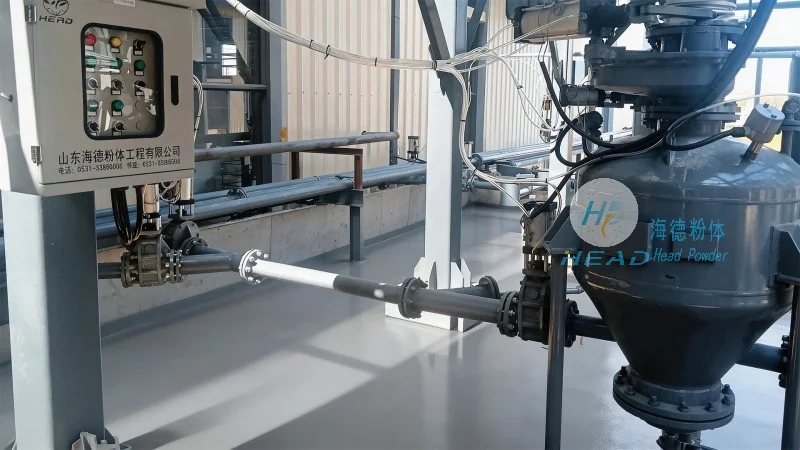
The pneumatic conveying equipment for petroleum coke powder typically consists of several core components that work in tandem to ensure effective material transport. The primary components include a hopper for material storage, a conveyor line (often a pipeline), a blower or air compressor to generate the conveying air, and a control system to regulate the flow. The hopper is designed with a sloped bottom to facilitate material discharge and prevent clogging, which is critical for handling cohesive or fine powders like petroleum coke. The pipeline is usually made of durable materials such as stainless steel or high-density polyethylene to withstand the abrasive nature of the powder and the pressure from the conveying air. The blower or air compressor is responsible for creating the necessary airflow, which propels the powder particles through the pipeline. The control system, which may include sensors and valves, monitors and adjusts the air pressure and flow rate to maintain optimal conveying conditions. This integrated design ensures that the equipment can handle the specific characteristics of petroleum coke powder, such as its high density and potential for agglomeration.
Working Principle of the Pneumatic Conveying System
The operation of the petroleum coke powder pneumatic conveying system is based on the principle of using air to transport solid particles. When the system is activated, the blower generates a high-pressure airflow that enters the pipeline. At the same time, the material is introduced into the hopper and then fed into the pipeline through a feeder. The air and powder mixture travels through the pipeline, with the air providing the necessary kinetic energy to move the powder particles. The velocity of the air is carefully controlled to ensure that the powder particles remain suspended and do not settle or deposit on the pipeline walls. This suspension is achieved by maintaining a sufficient air velocity, which is typically higher than the terminal velocity of the powder particles. The system may also include features such as pulse or rotary valves to control the flow of material and air, ensuring smooth and continuous operation. The conveying process continues until the material reaches the destination, where it is discharged into a receiving hopper or storage silo. The control system continuously monitors the pressure and flow parameters to adjust the operation as needed, ensuring that the conveying process is efficient and reliable.

Advantages of Using Pneumatic Conveying for Petroleum Coke Powder
Pneumatic conveying equipment offers several advantages when used for transporting petroleum coke powder. One of the key benefits is the ability to handle fine and abrasive powders without the need for mechanical components that could wear out or cause blockages. Unlike mechanical conveyors, which rely on moving parts like belts or chains, pneumatic systems use air to transport the material, reducing the risk of material degradation or contamination. Additionally, pneumatic conveying can be designed to operate in a closed system, which helps to contain dust and prevent environmental pollution. This is particularly important for petroleum coke powder, which can be a source of air pollution if not handled properly. The system also allows for flexible routing, as the pipeline can be easily reconfigured to change the conveying path without major modifications. This flexibility is beneficial in industrial settings where production layouts may need to be adjusted. Furthermore, pneumatic conveying can be integrated with other processing equipment, such as storage silos or mixing systems, to create a seamless material handling process. The ability to control the flow rate and pressure allows for precise material delivery, which is crucial for maintaining consistent production quality.
Applications and Industries Using Petroleum Coke Powder Pneumatic Conveying
The pneumatic conveying equipment for petroleum coke powder is widely used in various industries that require the transport of bulk materials. In the petrochemical industry, petroleum coke is often used as a fuel or raw material in the production of chemicals and other products. The equipment is used to transport the coke from storage facilities to processing units, ensuring a continuous supply of material. In the steel industry, petroleum coke is used as a reductant in the production of iron and steel. The pneumatic conveying system helps to move the coke from storage to the blast furnace or other processing equipment, improving the efficiency of the production process. Other industries that may use this equipment include power generation, where petroleum coke is used as a fuel in power plants, and construction, where the powder may be used as a raw material in certain applications. The versatility of the equipment makes it suitable for a wide range of applications, from small-scale operations to large industrial facilities.
Maintenance and Operational Considerations for the Equipment
Proper maintenance and operational considerations are essential to ensure the longevity and efficiency of the petroleum coke powder pneumatic conveying equipment. Regular maintenance is required to keep the system in optimal condition. This includes checking and replacing worn parts, such as seals and bearings, and cleaning the pipeline to prevent the buildup of powder residue. The blower or air compressor should be inspected regularly to ensure it is operating at the correct pressure and flow rate. The control system should also be checked to ensure it is functioning properly and providing accurate readings. In addition to regular maintenance, operational considerations are important to prevent issues such as clogging or system failure. The material should be properly dried before being fed into the system to prevent moisture buildup, which can cause agglomeration and blockages. The flow rate should be adjusted according to the material characteristics and the system capacity to avoid overloading the pipeline. The system should also be inspected for any signs of wear or damage, such as leaks or cracks in the pipeline, which could affect the conveying efficiency. By following proper maintenance and operational procedures, the equipment can operate reliably and efficiently, providing consistent performance over its service life.