

Principle of Grass Powder Pneumatic Conveying Equipment
This section introduces the fundamental concept of pneumatic conveying systems designed specifically for handling grass powder. Grass powder, derived from various forage crops, presents unique challenges in material handling due to its fine particle size, variable moisture content, and potential for dust generation. Traditional methods like belt conveyors or bucket elevators may struggle with these characteristics, leading to material degradation, increased maintenance, and operational inefficiencies. Pneumatic conveying offers a solution by utilizing air flow to transport the material, providing a more efficient, hygienic, and flexible approach to handling grass powder in agricultural and feed processing applications.

Working Principle of the Equipment
The core principle of pneumatic conveying for grass powder involves the use of compressed air to create a flow that moves the material through a pipeline. There are two primary types of pneumatic conveying systems: positive pressure and negative pressure. Positive pressure systems use a blower to generate high-pressure air that pushes the material forward, while negative pressure systems use a vacuum to draw the material into the pipeline. For grass powder, positive pressure systems are often preferred as they offer better control over the air flow and can handle higher material loads without clogging. The equipment typically includes a hopper for material storage, a feeder to control the flow rate, a blower or vacuum pump to generate the air pressure, and a pipeline network that transports the powder to the destination. The system operates by first loading the grass powder into the hopper, then feeding it into the pipeline as the air flow moves it through. The design of the hopper and feeder is critical to prevent material bridging or agglomeration, which can impede the flow. The blower or vacuum pump provides the necessary pressure or suction to ensure the material is conveyed smoothly. The pipeline is usually made of materials like stainless steel or PVC to prevent corrosion and contamination, which is essential for maintaining the quality of the grass powder.

Key Components and Their Functions
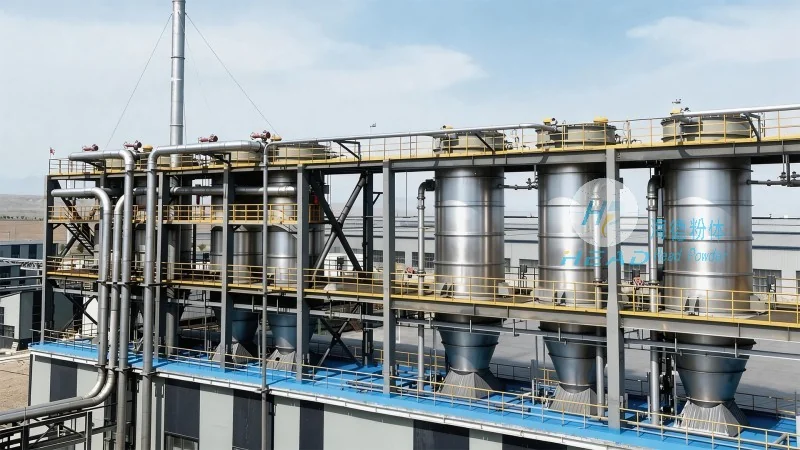
Several key components make up a pneumatic conveying system for grass powder, each playing a vital role in the overall operation. The hopper is the primary storage vessel, designed with a conical bottom to facilitate material discharge. It is typically lined with a wear-resistant material to withstand the abrasive nature of the grass powder. The feeder, often a rotary valve or a screw feeder, controls the flow rate of the material into the pipeline, ensuring a consistent and controlled feed. The blower or vacuum pump is the power source, providing the necessary air pressure or suction. Positive pressure blowers are commonly used for grass powder as they can handle higher material loads and offer better control over the air flow. The pipeline network connects the hopper to the destination, with bends and elbows designed to minimize pressure loss and prevent material deposition. The destination may be a silo, a storage tank, or a processing unit, and the system is equipped with a receiver or a dust collector to capture any material that may escape during the conveying process. The control system, which includes sensors and valves, monitors the pressure, flow rate, and material level, ensuring the system operates efficiently and safely.
Advantages of Pneumatic Conveying for Grass Powder Handling
Pneumatic conveying offers several advantages over traditional material handling methods for grass powder. First, it provides a hygienic and dust-free environment, which is crucial for feed processing applications where contamination can affect animal health. The enclosed pipeline system prevents dust from escaping into the environment, reducing the risk of respiratory issues for workers and minimizing the need for dust control measures. Second, it offers high efficiency and flexibility. The system can be easily reconfigured to transport material to different destinations, and the flow rate can be adjusted to meet varying production demands. This flexibility is particularly valuable in agricultural settings where feed requirements may change seasonally. Third, pneumatic conveying reduces material degradation. Unlike belt conveyors or bucket elevators, which can cause friction and impact, the air flow in a pneumatic system minimizes mechanical stress on the grass powder, preserving its nutritional value and quality. Fourth, it improves safety and maintenance. The enclosed system reduces the risk of accidents caused by moving parts, and the design of the components, such as the hopper and feeder, minimizes the need for manual handling of the material, reducing the risk of injury. Finally, the system is energy-efficient, with modern blowers and pumps designed to operate at optimal efficiency, reducing energy costs and environmental impact.

Application Scenarios and Industry Use Cases
Pneumatic conveying systems for grass powder are widely used in various industries, including animal feed production, agricultural processing, and biomass energy generation. In animal feed production, the system is used to transport grass powder from storage silos to feed mills or processing units, ensuring a consistent supply of raw material. The high efficiency and hygienic nature of the system make it ideal for feed processing, where maintaining the quality of the feed is critical. In agricultural processing, the system can be used to transport grass powder from fields or drying facilities to storage or processing facilities, reducing the need for manual handling and improving operational efficiency. For biomass energy generation, the system is used to transport grass powder to biomass boilers or gasifiers, where it is used as a fuel source. The flexibility of the system allows it to handle different types of grass powder, such as alfalfa, corn silage, or other forage crops, making it a versatile solution for various applications.