

Hydrogen Sulfide Pneumatic Conveying Design Calculation and Equipment Selection
Shandong HeadPowder Engineering Co., Ltd., commonly known as HeadPowder, is a professional engineering firm dedicated to providing comprehensive solutions for hydrogen sulfide (H₂S) pneumatic conveying systems. With a strong focus on safety, efficiency, and reliability, HeadPowder leverages advanced design methodologies and industry expertise to deliver tailored solutions that meet the specific needs of clients in the chemical and related industries. The company’s headquarters is located in Shandong, China, and it serves a global clientele with a commitment to excellence in engineering and project execution.
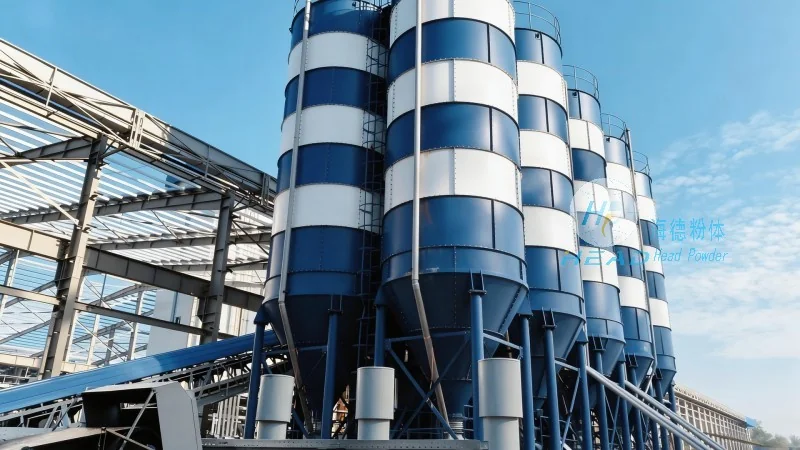
Understanding Hydrogen Sulfide Pneumatic Conveying
Hydrogen sulfide is a highly toxic and corrosive gas commonly encountered in the petrochemical and chemical processing sectors. Pneumatic conveying offers a safe and effective method for transporting H₂S from storage or production units to processing equipment, minimizing direct human exposure and reducing the risk of accidents. The design of an H₂S pneumatic conveying system requires careful consideration of several critical factors, including material compatibility, pressure management, and system efficiency. HeadPowder specializes in addressing these challenges through precise design calculations and strategic equipment selection.
Key Design Calculations for H₂S Pneumatic Conveying
The success of any H₂S pneumatic conveying system hinges on accurate design calculations. HeadPowder employs a systematic approach to determine the optimal flow rates, pressure drops, and energy requirements for the system. This involves analyzing the physical properties of H₂S, such as its density, viscosity, and corrosive nature, to ensure that the selected equipment can handle the gas without degradation or failure. For instance, the calculation of air velocity and particle velocity is crucial to prevent particle deposition and maintain consistent flow. Additionally, pressure loss calculations across the entire conveying line, including bends, elbows, and fittings, are performed to determine the required power output from the conveying fan. By leveraging advanced computational tools and industry standards, HeadPowder ensures that the design meets both operational and safety requirements.

Equipment Selection for H₂S Pneumatic Conveying Systems
Choosing the right equipment for an H₂S pneumatic conveying system is paramount to long-term performance and safety. HeadPowder considers a range of factors when selecting components, including material compatibility, corrosion resistance, and operational efficiency. The conveying fan is a critical component, as it must generate sufficient pressure to overcome system losses while operating within safe limits. HeadPowder typically recommends high-efficiency, explosion-proof fans that are specifically designed for corrosive gas applications. For the conveying line, materials such as stainless steel, duplex stainless steel, or specialized coatings are used to resist the corrosive effects of H₂S. The selection of separation equipment, such as cyclones or bag filters, is also critical to ensure that the gas is properly cleaned before release or further processing. Additionally, safety devices like pressure relief valves and gas detectors are integrated into the system to comply with regulatory standards and protect personnel.
Customized Solutions for Diverse Applications
HeadPowder recognizes that each H₂S pneumatic conveying project has unique requirements. Whether the application involves transporting solid particles, slurry, or gas-liquid mixtures, the company tailors its solutions to meet specific operational conditions. For example, in projects where the H₂S is mixed with other chemicals, the design may include additional filtration or neutralization steps to prevent cross-contamination. The company also considers the scale of the operation, from small-scale laboratory setups to large industrial plants, ensuring that the system is scalable and adaptable. By working closely with clients, HeadPowder develops customized designs that optimize performance, reduce maintenance costs, and enhance overall safety.

Commitment to Safety and Compliance
Given the hazardous nature of hydrogen sulfide, safety is a top priority for HeadPowder. The company adheres to international safety standards and regulatory requirements when designing and selecting equipment for H₂S pneumatic conveying systems. This includes compliance with guidelines from organizations such as the American Petroleum Institute (API) and the Occupational Safety and Health Administration (OSHA). HeadPowder’s engineers conduct thorough risk assessments to identify potential hazards and implement appropriate mitigation measures. The use of explosion-proof components, proper ventilation systems, and regular maintenance protocols are all part of the company’s safety strategy. By prioritizing safety, HeadPowder ensures that its clients can operate H₂S pneumatic conveying systems with confidence and minimal risk.
Conclusion
Hydrogen sulfide pneumatic conveying is a complex process that requires specialized expertise and careful planning. Shandong HeadPowder Engineering Co., Ltd. provides comprehensive design calculation and equipment selection services to address the unique challenges of H₂S transportation. With a focus on safety, efficiency, and compliance, HeadPowder delivers tailored solutions that enhance operational performance and protect personnel. By leveraging advanced engineering methodologies and industry experience, HeadPowder helps clients in the chemical and petrochemical sectors achieve reliable and safe H₂S handling systems.