

Principle of Clay Pneumatic Conveying Equipment
Clay, a versatile raw material widely used in ceramics, construction materials, and other industrial applications, requires efficient and reliable handling systems to ensure smooth production processes. The clay pneumatic conveying equipment is a critical component in modern industrial operations, designed to transport clay powder or granules through a closed pipeline system using air pressure or vacuum. This technology offers numerous advantages over traditional mechanical conveying methods, including reduced material degradation, lower maintenance costs, and enhanced safety in handling potentially dusty or hazardous materials.

The Core Mechanism of Pneumatic Conveying for Clay Materials
At its essence, pneumatic conveying works by transporting bulk materials in a fluidized state, where the material is suspended and carried by a moving gas stream. For clay, which often has fine particles and specific moisture content, the choice of conveying method—whether positive pressure, negative pressure, or a combination—depends on factors such as material properties, distance, and system layout. Positive pressure systems use a blower to force air and material through the pipeline, while negative pressure systems create a vacuum to draw material into the system. The design of the conveying line, including the size of the pipes, the number of bends, and the placement of inlets and outlets, is crucial for maintaining consistent flow and preventing blockages. Key components of the system include the hopper (for material storage), the air mover (blower or vacuum pump), the pipeline network, and the receiver (for material discharge). Each component plays a vital role in ensuring the efficient and safe transport of clay.
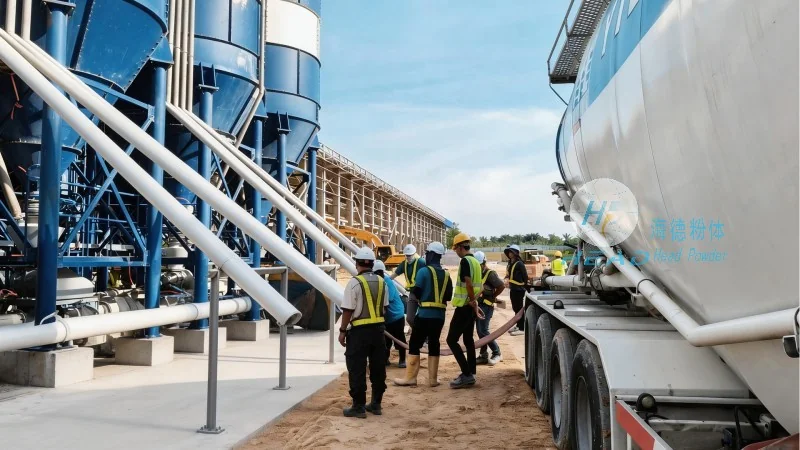
Advantages of Using Pneumatic Conveying for Clay Processing
Compared to traditional methods like belt conveyors or screw conveyors, pneumatic conveying offers several distinct benefits for clay handling. First, it minimizes material degradation by reducing friction and impact during transport, which is particularly important for fine clay particles that are prone to clumping or breaking. Second, the enclosed pipeline system prevents dust from escaping into the environment, improving workplace safety and compliance with environmental regulations. Third, the system is highly flexible, allowing for changes in material flow direction or distance without major structural modifications. Additionally, pneumatic conveying can handle a wide range of clay types, from dry powders to moist granules, making it adaptable to various production requirements. The energy efficiency of modern pneumatic systems, combined with lower maintenance needs, further enhances the economic viability of this technology.
Key Considerations for Implementing Clay Pneumatic Conveying Systems
When selecting or designing a clay pneumatic conveying system, several factors must be carefully evaluated to ensure optimal performance. Material properties are paramount: clay's moisture content, particle size distribution, and flowability will influence the choice of air velocity and system pressure. The distance and layout of the conveying route are also critical, as longer distances may require booster units to maintain sufficient air pressure. The system's capacity, measured in terms of material throughput, must align with production demands to avoid bottlenecks. Furthermore, the integration of the conveying system with existing processing equipment, such as mixers or extruders, requires careful planning to ensure seamless material flow. Regular maintenance, including cleaning of the pipeline and inspection of the air mover, is essential to prevent system downtime and maintain efficiency. By addressing these considerations, industrial facilities can maximize the benefits of pneumatic conveying for clay handling.

About Shandong HeadPowder Engineering Co., Ltd.
Shandong HeadPowder Engineering Co., Ltd., operating under the brand name headpowder, is a leading manufacturer of pneumatic conveying equipment and related industrial solutions. With a focus on innovation and customer-centric design, the company specializes in developing customized systems tailored to the unique needs of clay processing industries. HeadPowder's team of engineers and technicians leverages advanced technology and extensive industry experience to deliver high-quality, reliable equipment that meets international standards. The company's headquarters is located in Shandong, China, where it maintains state-of-the-art manufacturing facilities and a dedicated customer support team. By combining expertise in material handling and pneumatic technology, headpowder provides comprehensive solutions that enhance operational efficiency and sustainability for its clients. Whether for new installations or system upgrades, headpowder is committed to delivering products that meet the evolving demands of the clay industry.