

Principle and Working Scene Characteristics of Concrete Pneumatic Conveyors
Concrete pneumatic conveying systems represent a sophisticated method for transporting concrete materials, combining efficiency and precision in construction and industrial applications. This article delves into the fundamental principles behind these systems and explores the key characteristics of their operational environments.

Introduction to Concrete Pneumatic Conveying Systems
Concrete pneumatic conveying systems utilize air pressure to transport dry or wet concrete mixtures, aggregates, and other construction materials over long distances with minimal disruption to the material's quality. The technology is particularly valuable in scenarios where traditional conveyor belts or trucks are impractical due to space constraints, environmental factors, or the need for precise material handling. The system's core components include a hopper for material storage, a blower or air compressor to generate the necessary airflow, and a pipeline network that guides the material from the source to the destination. By leveraging air as the primary transport medium, these systems offer advantages such as reduced labor costs, lower maintenance requirements compared to mechanical systems, and the ability to navigate complex layouts without the need for extensive infrastructure modifications.
Core Principles of Concrete Pneumatic Conveying
The fundamental principle of concrete pneumatic conveying is the creation of a pressure differential that propels the material through the pipeline. The process typically involves two main modes: dilute phase and dense phase. In dilute phase conveying, the material is suspended in a high-velocity air stream, allowing for rapid transport over longer distances. This mode is ideal for transporting fine powders and dry concrete mixes. In contrast, dense phase conveying uses lower air velocities and higher material concentrations, which helps maintain the integrity of the material and reduces the risk of segregation or degradation. The selection of the conveying mode depends on the specific characteristics of the material being transported, such as particle size, moisture content, and flowability. The system's efficiency is further enhanced by the use of specialized components like rotary valves, which control the flow of material into the pipeline, and cyclone separators, which separate the material from the air stream at the receiving end. These components work in tandem to ensure a smooth and continuous operation, minimizing downtime and maximizing throughput.
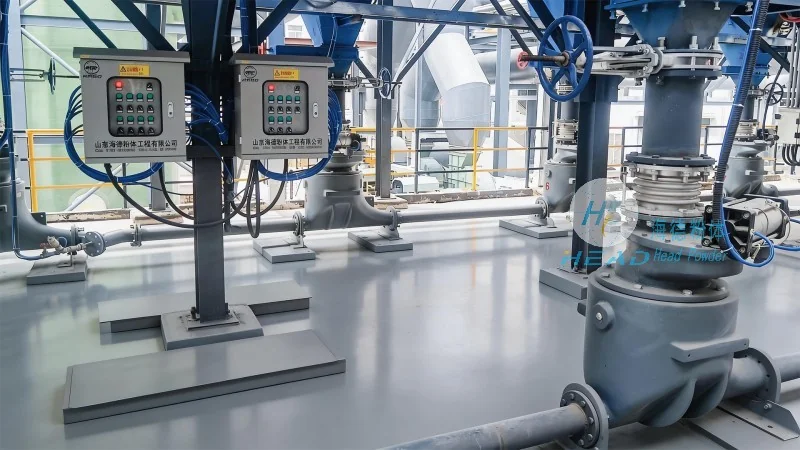
Key Working Scene Characteristics
The operational characteristics of concrete pneumatic conveying systems are tailored to meet the demands of diverse construction and industrial environments. One of the most significant advantages is the system's adaptability to complex layouts, allowing it to navigate through tight spaces, around obstacles, and across multiple levels without the need for extensive ground-level infrastructure. This makes it particularly suitable for projects in urban areas or confined construction sites where traditional conveyors may not be feasible. Additionally, the system's ability to maintain consistent material quality during transport is crucial, as it prevents segregation of aggregates and ensures that the concrete mix remains homogeneous. This is achieved through the controlled airflow and the use of appropriate pipeline diameters and lengths, which minimize turbulence and material settling. Another important characteristic is the system's energy efficiency. By using air as the transport medium, the system reduces the need for heavy machinery and reduces the carbon footprint associated with material handling. This aligns with modern sustainability goals in the construction industry, making it an attractive option for environmentally conscious projects. The system also offers flexibility in terms of material handling, as it can transport a wide range of materials, from dry cement powders to wet concrete mixes, with minimal adjustments to the operational parameters. This versatility makes it a valuable asset for construction companies and industrial facilities that require diverse material handling solutions.

Applications and Industry Impact
Concrete pneumatic conveying systems find widespread application in various sectors, including large-scale construction projects, precast concrete manufacturing, and industrial material processing. In large construction projects, such as high-rise buildings or infrastructure development, these systems are used to transport concrete mixes from batching plants to the construction site, reducing the time and cost associated with traditional truck delivery. The ability to transport materials over long distances without the need for heavy vehicles also minimizes traffic congestion and noise pollution in urban areas. In precast concrete manufacturing, the system is used to move raw materials from storage to production lines, ensuring a steady supply of materials for efficient production. The system's precision and reliability also make it suitable for industrial applications, such as the transportation of aggregates and cement in cement plants or the delivery of concrete mixes to construction sites in remote or challenging terrains. The impact of concrete pneumatic conveying systems on the industry is significant, as they offer a more efficient and sustainable alternative to traditional material handling methods. By reducing the reliance on mechanical conveyors and trucks, these systems contribute to lower operational costs and improved environmental performance. The technology continues to evolve, with advancements in material handling efficiency and energy consumption, making it an increasingly important component of modern construction and industrial operations.
Conclusion
In conclusion, concrete pneumatic conveying systems represent a highly effective and versatile solution for transporting concrete materials in various operational environments. The system's fundamental principles, combined with its adaptability to diverse applications, make it an essential tool for construction and industrial companies. By leveraging air pressure and specialized components, these systems offer advantages such as reduced labor costs, lower maintenance requirements, and improved material quality. The working scene characteristics, including adaptability to complex layouts and energy efficiency, further enhance their appeal. As the construction industry continues to evolve, the demand for efficient and sustainable material handling solutions will likely drive further advancements in concrete pneumatic conveying technology. Companies like Shandong HeadPowder Engineering Co., Ltd., based in China, are at the forefront of developing and implementing these systems, providing innovative solutions to meet the evolving needs of the industry.