

Components of Dust Gas Power Conveying
Dust gas power conveying, also known as pneumatic conveying, is a critical technology in industrial applications for transporting bulk materials like dust and fine powders. This method relies on the movement of air or other gases to transport particles through a pipeline system. Understanding the components that make up such a system is essential for optimizing performance, ensuring efficiency, and maintaining safety in various industrial processes.

Key Components of a Dust Gas Power Conveying System
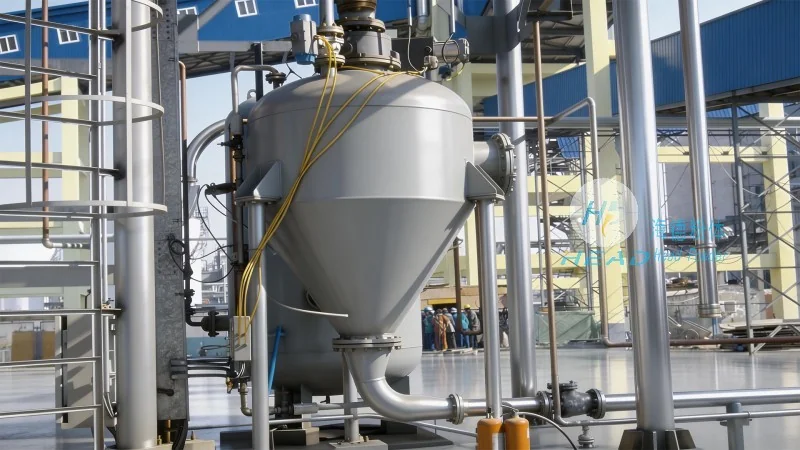
The core components of a dust gas power conveying system include several essential elements that work in tandem to facilitate material transport. These components are designed to handle the specific characteristics of dust and fine powders, ensuring reliable and efficient operation.
Firstly, the conveying pipeline is the primary structure that carries the material and air mixture. Typically made from materials like stainless steel or plastic, the pipeline is designed to withstand the abrasive nature of dust particles and the pressure differentials involved in the conveying process. The pipeline system includes various sections such as vertical and horizontal runs, bends, and elbows, which are strategically placed to guide the material flow and maintain system efficiency.

Secondly, the air supply system is crucial for generating the necessary pressure and airflow to move the material. This system typically consists of a blower or compressor that provides the motive force. The air supply is often filtered and conditioned to remove contaminants that could affect the material quality or the performance of the conveying equipment. Additionally, the system may include pressure regulators and flow control valves to maintain consistent air pressure and flow rates, which are critical for stable material transport.
Thirdly, the feeders and hoppers are used to introduce the material into the conveying system. These components are designed to handle the dust and fine powders without causing blockages or uneven feeding. Hoppers are often equipped with agitators or vibrators to prevent material bridging and ensure a consistent flow of material into the pipeline. Feeders, such as rotary valves or screw feeders, are used to control the rate of material introduction, which directly impacts the conveying capacity and system performance.

Fourthly, the separator and filter system is essential for separating the material from the air at the end of the conveying process. This system typically includes a cyclone separator or a bag filter to capture the dust particles and return them to the process or storage. The air, now clean, is then discharged or recirculated back into the system, depending on the application requirements. Proper filtration is vital to prevent dust emissions and maintain compliance with environmental regulations.
Fifthly, the control and monitoring system ensures the efficient and safe operation of the dust gas power conveying system. This system includes sensors and control devices that monitor parameters such as pressure, flow rate, and material level. These sensors provide real-time data to the control panel, allowing operators to adjust settings and troubleshoot issues promptly. Advanced control systems may also include automation features to optimize the conveying process and reduce energy consumption.
About Shandong HeadPowder Engineering Co., Ltd.
Shandong HeadPowder Engineering Co., Ltd., commonly known as HeadPowder, is a leading provider of dust gas power conveying solutions. With a focus on innovation and quality, the company specializes in designing and manufacturing customized conveying systems tailored to the specific needs of various industries. HeadPowder's expertise lies in understanding the unique challenges of handling dust and fine powders, and developing solutions that enhance efficiency, reduce downtime, and improve overall operational performance.
HeadPowder's team of engineers and technicians work closely with clients to assess their material handling requirements and recommend the most suitable conveying system. The company's commitment to customer satisfaction is reflected in its comprehensive after-sales support, including maintenance services, spare parts supply, and technical assistance. By leveraging advanced technology and industry best practices, HeadPowder ensures that its clients receive reliable and durable dust gas power conveying systems that meet their operational and environmental standards.