

Operation Process and Working Principle of Flake Graphite Powder Pneumatic Conveying System Equipmen
Flake graphite powder, recognized for its exceptional electrical conductivity, thermal stability, and lubricating properties, is widely utilized across diverse industrial sectors. The efficient and reliable transportation of this fine powder is paramount for sustaining production efficiency and product quality. The pneumatic conveying system, specifically engineered for flake graphite powder, offers a solution that ensures safe, clean, and continuous material handling. This article explores the operation process and working principle of such a system, highlighting its key components, operational steps, and the underlying technology that enables smooth material transport.

Overview of the Flake Graphite Powder Pneumatic Conveying System
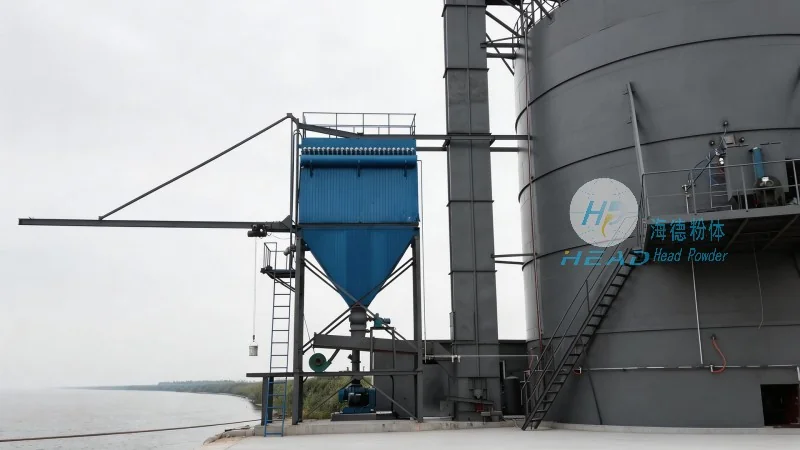
The flake graphite powder pneumatic conveying system is a sophisticated piece of equipment designed to handle the unique characteristics of flake graphite. It is engineered to transport the powder from a storage hopper or processing unit to a destination such as a mixer, storage silo, or processing line. The system operates by utilizing compressed air or other gases to generate a flow that moves the powder particles through a pipeline network. This method eliminates the need for mechanical components like belts or buckets, reducing maintenance requirements and minimizing the risk of contamination.
Key Components of the Pneumatic Conveying System
The effectiveness of the flake graphite powder pneumatic conveying system relies on several critical components that work in unison to ensure optimal performance. These components include:
1. Feeder Unit: This component is responsible for feeding the flake graphite powder into the conveying line at a controlled rate. The feeder can be a rotary valve, a screw feeder, or a vibratory feeder, depending on the system design and the flow rate requirements. It ensures a consistent and steady supply of material, preventing blockages and maintaining the desired flow rate.
2. Conveying Line: The pipeline system that transports the graphite powder from the feeder to the discharge point. The line is typically made of materials resistant to corrosion and abrasion, such as stainless steel or polyethylene, to withstand the abrasive nature of the flake graphite particles and the effects of the conveying medium.
3. Compressor and Air Treatment Unit: This unit provides the necessary compressed air or gas to generate the conveying pressure. The compressor is usually equipped with air treatment equipment, including filters, dryers, and regulators, to ensure that the air is clean, dry, and at the appropriate pressure and temperature. This is crucial for preventing moisture and contaminants from affecting the quality of the flake graphite powder.
4. Control System: The control system monitors and regulates the operation of the entire system. It includes sensors, valves, and a control panel that allows operators to adjust parameters such as flow rate, pressure, and air volume. The system can be automated to operate continuously without manual intervention, enhancing efficiency and reducing labor costs.

5. Discharge Unit: This component receives the graphite powder at the end of the conveying line and directs it to the final destination. It may include a rotary valve or a venturi system to control the discharge rate and prevent backflow or material accumulation.
Working Principle of the Pneumatic Conveying System
The working principle of the flake graphite powder pneumatic conveying system is based on the use of differential pressure to move the material through the pipeline. The process can be divided into several stages:
1. Material Feeding: The flake graphite powder is fed into the feeder unit at a controlled rate. The feeder ensures that the material is introduced into the conveying line in a consistent manner, preventing overloading or underloading that could affect the system's performance.
2. Air Injection: Compressed air from the compressor is introduced into the conveying line at a specific point, usually near the feeder. The high-pressure air creates a low-pressure zone downstream, which draws the graphite powder particles into the air stream. The air and powder mixture then travels through the pipeline.
3. Transportation: The air and powder mixture moves through the conveying line at a high velocity. The velocity is maintained above the minimum conveying velocity to prevent the particles from settling or clogging the line. The pipeline design, including bends and elbows, is optimized to minimize pressure loss and ensure smooth flow.
4. Discharge and Separation: At the discharge point, the air and powder mixture is directed into a separator or a cyclone. The separator uses centrifugal force to separate the air from the powder. The air is then released to the atmosphere or recirculated, while the graphite powder is collected and directed to the final destination.

Operation Process of the Flake Graphite Powder Pneumatic Conveying System
The operation process of the flake graphite powder pneumatic conveying system involves several steps that ensure the system runs smoothly and efficiently. The process typically starts with the preparation of the system and the loading of the material:
1. System Preparation: Before starting the operation, the system is checked for any leaks or blockages. The compressor is started, and the air treatment unit is activated to ensure that the air is clean and dry. The control system is set to the desired parameters, such as flow rate and pressure.
2. Material Loading: The flake graphite powder is loaded into the storage hopper or the feeder hopper. The feeder is then activated to start feeding the material into the conveying line.
3. Conveying Operation: Once the material is fed into the line, the compressor provides the necessary air pressure to transport the powder. The control system monitors the flow rate and pressure, adjusting the air volume as needed to maintain optimal performance. The system operates continuously until the material is fully transferred to the discharge point.
4. System Shutdown: When the conveying operation is complete, the feeder is stopped, and the compressor is turned off. The system is then allowed to cool down and the air is vented to the atmosphere. The discharge unit is checked for any remaining material, and the system is prepared for the next operation cycle.
Advantages of Using a Pneumatic Conveying System for Flake Graphite Powder
The use of a pneumatic conveying system for flake graphite powder offers several advantages over traditional mechanical conveying methods. These advantages include:
1. Reduced Contamination: The system operates in a closed environment, preventing the graphite powder from coming into contact with external contaminants such as dust, moisture, or other materials. This ensures that the final product remains pure and meets the required quality standards.
2. Efficient Material Handling: The system can handle fine powders like flake graphite efficiently, with minimal loss or degradation of the material. The continuous operation of the system ensures a steady supply of material to the processing line, reducing downtime and increasing productivity.
3. Low Maintenance Requirements: Unlike mechanical systems that require regular maintenance of belts, buckets, or gears, the pneumatic system has fewer moving parts and is less prone to wear and tear. This reduces maintenance costs and increases the system's lifespan.
4. Flexibility and Scalability: The pneumatic conveying system can be easily scaled up or down to accommodate changes in production volume. The system can also be integrated with other processing equipment, such as mixers or storage silos, to create a comprehensive material handling solution.
Conclusion
The flake graphite powder pneumatic conveying system is a highly effective and reliable solution for transporting fine materials like flake graphite. By understanding the operation process and working principle of the system, users can optimize its performance and ensure efficient material handling. The system's advantages, including reduced contamination, efficient operation, and low maintenance, make it an ideal choice for industries that require high-quality, consistent material transport. As a leading provider of such systems, Shandong HeadPowder Engineering Co., Ltd. specializes in designing and manufacturing customized pneumatic conveying solutions tailored to the specific needs of its clients.