

Operation Process and Working Principle of Sodium Hydroxide Pneumatic Conveying System Equipment
Understanding the operation process and working principle of sodium hydroxide pneumatic conveying system equipment is crucial for optimizing industrial processes and ensuring efficient material handling. This equipment is widely used in various industries, particularly in chemical manufacturing, where sodium hydroxide (commonly known as caustic soda) needs to be transported safely and effectively. The following sections provide a detailed overview of how these systems function and the key components involved. Shandong HeadPowder Engineering Co., Ltd., a leading manufacturer in the field, specializes in providing high-performance pneumatic conveying solutions for handling caustic soda and other hazardous materials.
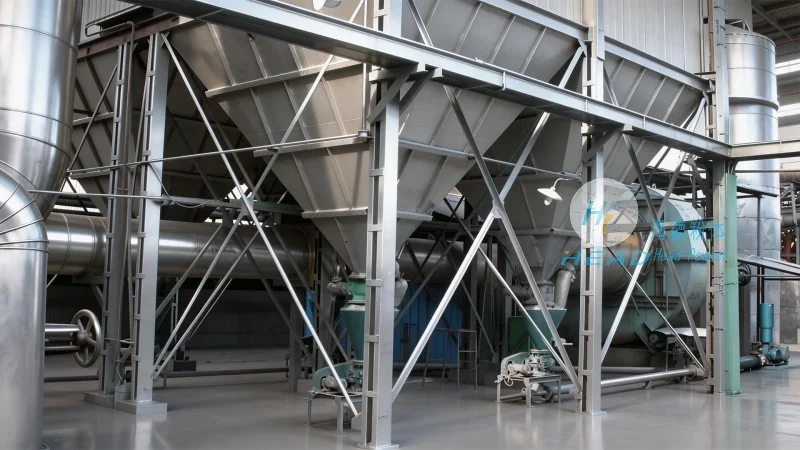
Overview of Sodium Hydroxide Pneumatic Conveying Systems
Sodium hydroxide pneumatic conveying systems are designed to transport caustic soda powder or granules through a pipeline using air or other gases as the conveying medium. These systems are essential in industries such as chemical production, where the safe and efficient movement of sodium hydroxide is critical due to its corrosive nature and potential hazards. The primary goal of these systems is to minimize material loss, reduce labor costs, and enhance overall operational efficiency. By automating the transport process, these systems also improve workplace safety by eliminating manual handling of hazardous materials.
Key Components and Their Functions
The sodium hydroxide pneumatic conveying system typically consists of several key components, each playing a vital role in the overall operation. These components include the hopper, feeder, air compressor, conveying pipeline, and control system. The hopper serves as the storage container for the sodium hydroxide, ensuring a consistent supply of material. The feeder regulates the flow of material from the hopper into the conveying pipeline, preventing overloading or underflow. The air compressor generates the necessary pressure and airflow to move the material through the pipeline. The conveying pipeline transports the material from the source to the destination, while the control system monitors and adjusts the operation to maintain optimal performance. Each component is engineered to withstand the corrosive properties of sodium hydroxide and to ensure reliable operation over extended periods.

Operation Process of the System
The operation process of a sodium hydroxide pneumatic conveying system involves several sequential steps. First, the sodium hydroxide is loaded into the hopper from a storage silo or container. The feeder then meters the material into the conveying pipeline at a controlled rate. Simultaneously, the air compressor provides the required airflow, which creates a negative pressure or positive pressure environment within the pipeline. This airflow lifts and transports the sodium hydroxide particles through the pipeline to the receiving hopper or processing unit. The control system continuously monitors parameters such as pressure, flow rate, and material level to ensure the system operates within safe and efficient limits. Any deviations are automatically adjusted to maintain stable operation. The system's design ensures that the sodium hydroxide particles are uniformly mixed with the air, minimizing the risk of clogging and ensuring smooth transport.
Working Principle of the Conveying Mechanism
The working principle of the sodium hydroxide pneumatic conveying system is based on the principles of fluid dynamics and particle transport. The system utilizes either dilute-phase or dense-phase conveying, depending on the application requirements. In dilute-phase conveying, the material is suspended in the air stream and transported at relatively high velocities, typically suitable for handling coarse powders. In dense-phase conveying, the material is conveyed in a slurry-like state with lower air velocities, which is often preferred for handling fine powders or to reduce material degradation. The air flow rate and pressure are carefully controlled to achieve the desired conveying velocity and to prevent material deposition or blockages in the pipeline. The system's design ensures that the sodium hydroxide particles are uniformly mixed with the air, maintaining consistent flow and preventing segregation or agglomeration.

Benefits and Applications
Sodium hydroxide pneumatic conveying systems offer numerous benefits, including improved safety, reduced labor costs, and enhanced operational efficiency. By eliminating the need for manual handling of caustic soda, these systems minimize the risk of accidents and exposure to hazardous materials. The automated control system ensures consistent material flow, reducing variability in production processes and improving product quality. Additionally, the systems are designed to handle large volumes of sodium hydroxide, making them suitable for high-throughput industrial applications. These systems are commonly used in the production of chemicals, paper, and textiles, where sodium hydroxide is a key raw material. The ability to transport sodium hydroxide over long distances without the need for intermediate storage or handling significantly improves operational flexibility and reduces downtime.

Maintenance and Safety Considerations
Maintaining the sodium hydroxide pneumatic conveying system is essential to ensure long-term reliability and performance. Regular maintenance includes inspecting and cleaning the hopper, feeder, and pipeline to prevent material buildup and blockages. The air compressor and control system should be checked regularly for proper operation and efficiency. Safety considerations are paramount due to the corrosive nature of sodium hydroxide. The system should be equipped with appropriate safety features, such as pressure relief valves, emergency shut-off systems, and monitoring devices to detect leaks or abnormal conditions. Proper training for operators and maintenance personnel is also crucial to ensure safe and effective operation of the system. Shandong HeadPowder Engineering Co., Ltd. provides comprehensive maintenance services and technical support to help clients optimize the performance and lifespan of their pneumatic conveying systems.
Conclusion
In conclusion, the operation process and working principle of sodium hydroxide pneumatic conveying system equipment are critical for efficient material handling in industrial applications. The system's design and components work together to transport sodium hydroxide safely and effectively, offering numerous benefits such as improved safety, reduced labor costs, and enhanced operational efficiency. Proper maintenance and adherence to safety guidelines are essential to ensure the long-term reliability and performance of these systems. As a leading provider in the field, Shandong HeadPowder Engineering Co., Ltd. specializes in designing and manufacturing high-quality pneumatic conveying systems tailored to meet the specific needs of various industrial applications, ensuring that clients can achieve optimal performance and operational success with their sodium hydroxide handling processes.