

Principle and Working Scene Characteristics of Ceramic Particle Material Handling System Equipment
Shandong HeadPowder Engineering Co., Ltd., commonly known as headpowder, is a professional manufacturer specializing in the design, development, and production of material handling equipment. With a focus on precision and efficiency, the company has established itself as a trusted supplier in the industry, particularly in the field of ceramic particle material handling systems.

Principle of Ceramic Particle Material Handling Systems
The ceramic particle material handling system equipment operates on the principle of utilizing mechanical components to transport ceramic particles from one location to another. These systems typically consist of components such as conveyors, feeders, and control mechanisms. The conveyors, often in the form of belt or screw conveyors, are designed to handle the specific characteristics of ceramic particles, including their size, shape, and density. The feeders, which may include vibratory or rotary types, ensure a consistent and controlled flow of material into the conveyor system. Control mechanisms, including sensors and programmable logic controllers (PLCs), monitor and adjust the operation of the system to maintain optimal performance and prevent issues like blockages or uneven material distribution.
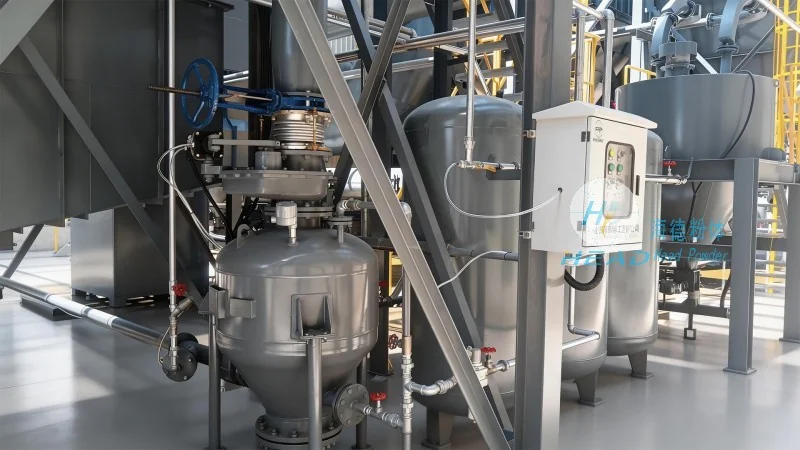
Working Scene Characteristics of Ceramic Particle Material Handling Systems
The working scene characteristics of ceramic particle material handling systems are tailored to the specific requirements of ceramic production and processing environments. These systems are commonly used in scenarios such as ceramic tile manufacturing, porcelain production, and industrial ceramic processing facilities. The key characteristics include high precision in material transport, which is crucial for maintaining the quality of ceramic products. Additionally, the systems are designed for durability and reliability, as they operate in environments where continuous and uninterrupted operation is essential. The working scenes often involve integration with other production equipment, such as mixing and molding machines, to form a cohesive production line. The systems also prioritize safety, with features like emergency stop buttons and protective guards to ensure operator safety during operation.

Application Scenarios and Performance in Different Working Environments
In ceramic tile manufacturing, the ceramic particle material handling system is used to transport raw materials like clay and feldspar from storage to processing lines. The system ensures that the materials are delivered in a consistent manner, which is vital for maintaining the uniformity of the final tile products. In porcelain production, the system handles finer ceramic particles, requiring more precise control over the material flow to prevent contamination and ensure the quality of the porcelain. The working environments in these scenarios vary, with some facilities operating in high-temperature conditions, which the equipment is designed to withstand. The systems also adapt to different production scales, from small-scale artisanal operations to large-scale industrial production lines, demonstrating their versatility and adaptability.
Advantages of Ceramic Particle Material Handling Systems from headpowder
headpowder's ceramic particle material handling systems offer several advantages that make them suitable for various industrial applications. One key advantage is their high efficiency, which is achieved through optimized conveyor designs and control systems. The systems are capable of handling large volumes of ceramic particles while maintaining a consistent flow rate, reducing downtime and increasing overall productivity. Another advantage is their durability, as the equipment is constructed from high-quality materials that can withstand the harsh conditions of ceramic processing environments. The systems also feature easy maintenance, with accessible components that allow for quick repairs and replacements, minimizing maintenance costs and downtime. Furthermore, the systems are designed with user-friendly control interfaces, enabling operators to easily monitor and adjust the system's operation. This user-friendly aspect enhances operational efficiency and reduces the learning curve for new operators.

Conclusion
Overall, ceramic particle material handling systems from Shandong HeadPowder Engineering Co., Ltd. are reliable and efficient solutions for transporting ceramic particles in various industrial applications. The systems are designed with precision, durability, and adaptability in mind, making them suitable for a wide range of working environments. By leveraging advanced technology and quality materials, headpowder ensures that their equipment meets the high standards required in the ceramic industry, providing customers with a reliable and effective material handling solution.