

Introduction to Sodium Chloride Pneumatic Conveying Systems: Structure and Working Principles
For industrial applications involving the transport of sodium chloride, efficient and reliable material handling solutions are crucial. The sodium chloride pneumatic conveying system, developed by Shandong HeadPowder Engineering Co., Ltd., offers a robust method for transporting this essential chemical. This article provides an overview of the system's structure and working principles, highlighting its key components and operational efficiency.

Overview of the Sodium Chloride Pneumatic Conveying System
The sodium chloride pneumatic conveying system is designed to handle the transportation of sodium chloride from storage or production areas to processing units. It operates on the principle of using air or other gases to move the material through a pipeline network. The system is engineered to ensure minimal product degradation, maintain consistent flow rates, and provide a safe operational environment. As a leading provider in this field, Shandong HeadPowder Engineering Co., Ltd. specializes in customizing these systems to meet specific industrial requirements.
Key Structural Components of the System
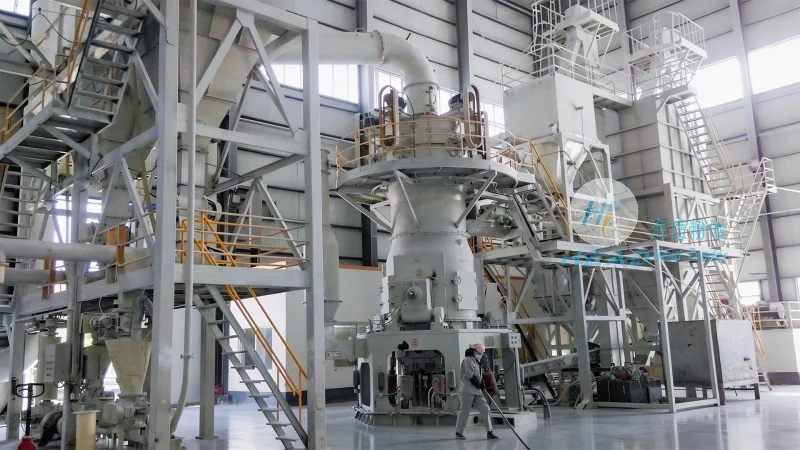
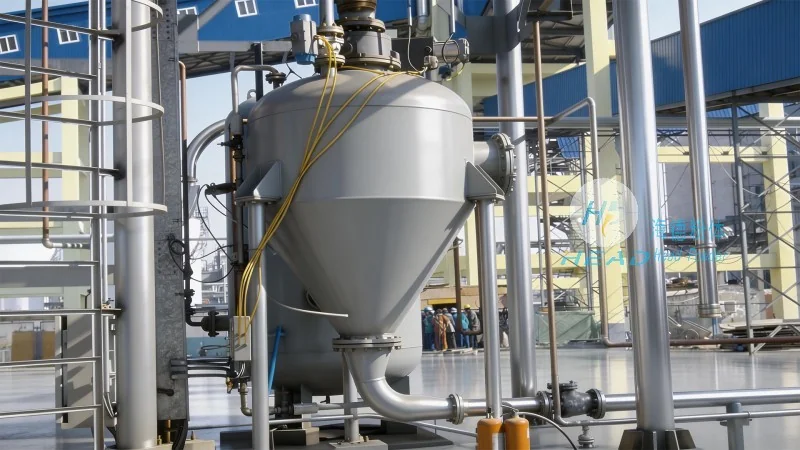
The pneumatic conveying system for sodium chloride typically consists of several critical components that work in tandem to achieve efficient material transport. These include the material feeder, which ensures a consistent feed rate of sodium chloride into the system; the conveying pipeline, which may be of different diameters and lengths depending on the application; the air or gas source, which provides the necessary pressure to move the material; and the control system, which monitors and regulates the flow of both material and air. Additionally, the system may incorporate components such as silos, hoppers, and dust collectors to enhance overall performance and safety.
Working Principles of the Pneumatic Conveying Process
The operation of the sodium chloride pneumatic conveying system is based on the principle of fluidization and suspension. When air or gas is introduced into the conveying pipeline at a sufficient velocity, it creates a low-pressure zone that draws the sodium chloride particles into the flow. The particles are then suspended in the air stream and transported through the pipeline to the destination point. The system can operate in either positive or negative pressure modes, depending on the specific application and the need to prevent product contamination or environmental exposure. The control system plays a vital role in maintaining the optimal air pressure and flow rate, ensuring that the material is transported smoothly without clogging or loss.
Benefits and Applications of the System
The sodium chloride pneumatic conveying system offers several advantages over traditional mechanical conveying methods. These include reduced labor costs, lower maintenance requirements, and the ability to transport materials over long distances without the need for intermediate storage or handling. The system is particularly suitable for applications in the chemical, food, and pharmaceutical industries, where the handling of sodium chloride is required. Shandong HeadPowder Engineering Co., Ltd. has successfully implemented these systems in various industrial settings, demonstrating their reliability and efficiency in meeting production demands.
Customization and Maintenance Considerations
Shandong HeadPowder Engineering Co., Ltd. recognizes that each industrial application has unique requirements, and therefore offers customized solutions for sodium chloride pneumatic conveying systems. The company provides comprehensive design, installation, and maintenance services to ensure that the system operates at peak performance. Regular maintenance, including cleaning of the conveying pipeline and inspection of the control system, is essential to prevent system downtime and ensure the longevity of the equipment. The company's expertise in material handling technology allows for the development of tailored solutions that address specific challenges such as product moisture content, particle size, and environmental regulations.
Conclusion
In conclusion, the sodium chloride pneumatic conveying system developed by Shandong HeadPowder Engineering Co., Ltd. represents a sophisticated and efficient solution for the transportation of sodium chloride. By understanding its structural components and working principles, industries can leverage this technology to enhance their operational efficiency and product quality. With a focus on customization and reliable service, Shandong HeadPowder Engineering Co., Ltd. continues to be a trusted partner in providing advanced material handling solutions for the global market.