

Introduction to Yellow Sand Pneumatic Conveying Systems: Structural Design and Working Principles
Yellow sand pneumatic conveying systems are specialized equipment engineered for the efficient transport of yellow sand and similar bulk materials. These systems are widely utilized across various industrial sectors, including construction, mining, and material processing, where reliable and cost-effective material handling is essential. The technology behind these systems leverages air pressure to move materials through a pipeline network, offering advantages such as reduced dust exposure, minimal maintenance requirements, and the ability to transport materials over extended distances without mechanical components like belts or buckets.
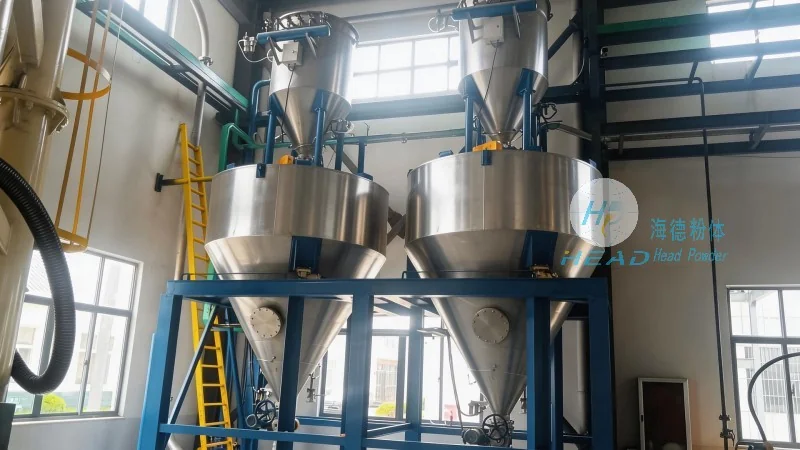
Structural Components and Working Principles
The core components of a yellow sand pneumatic conveying system typically include a material hopper, an air compressor, a conveying line, and a discharge outlet. The material hopper is where the yellow sand is stored and fed into the system. As the material is introduced, the air compressor generates a high-pressure airflow directed into the conveying line. This airflow creates a negative or positive pressure environment, depending on the system design, which pulls or pushes the yellow sand particles through the pipeline. The system may use either a suction or pressure configuration; suction systems are common for transporting materials from a hopper to a processing unit, while pressure systems are used for longer distances or when materials need to be elevated.
Key Structural Elements and Their Functions
Several critical structural elements contribute to the effective operation of a yellow sand pneumatic conveying system. The material hopper, often equipped with a feeder or rotary valve, ensures a consistent flow of yellow sand into the system, preventing blockages and maintaining system efficiency. The air compressor, which can be either a rotary screw or reciprocating type, provides the necessary air pressure to move the material. The conveying line, usually made of stainless steel or other corrosion-resistant materials, is designed to withstand the abrasive nature of yellow sand and the high-pressure airflow. The discharge outlet, typically a rotary valve or venturi, controls the release of the material at the destination point, ensuring precise material delivery.

Advantages of Yellow Sand Pneumatic Conveying Systems
Implementing a yellow sand pneumatic conveying system offers several advantages over traditional material handling methods. One primary benefit is the reduction in dust generation, as the material is enclosed within the pipeline, minimizing environmental impact and improving workplace safety. Additionally, these systems are relatively low-maintenance, with fewer moving parts compared to mechanical conveyors, leading to lower operational costs and longer service life. The ability to transport yellow sand over long distances or through complex layouts without the need for multiple transfer points also enhances operational flexibility. Furthermore, the systems can be easily integrated with other processing equipment, such as mixers or classifiers, to form a comprehensive material handling solution.
Applications in Industrial Settings
Yellow sand pneumatic conveying systems are applied in a variety of industrial settings where the efficient transport of yellow sand is critical. In construction projects, these systems are used to move sand from storage silos to mixing stations, ensuring a steady supply of material for concrete production. In mining operations, they help transport sand from processing plants to storage facilities or for further processing. The systems are also utilized in material processing industries, such as glass manufacturing or foundries, where yellow sand is used as a raw material. The adaptability of these systems to different operational requirements makes them a versatile choice for various industrial applications.
Operational Considerations and Maintenance
Proper operation and maintenance of a yellow sand pneumatic conveying system are essential to ensure optimal performance and longevity. Regular inspection of the conveying line for signs of wear or damage is crucial, as the abrasive nature of yellow sand can cause premature failure of components. The air compressor should be maintained according to manufacturer specifications to ensure consistent air pressure and flow. Additionally, the material hopper and feeder should be checked for blockages or material buildup, which can affect the system's efficiency. By following recommended maintenance procedures, users can maximize the system's lifespan and minimize downtime, ensuring reliable material transport.

About Shandong HeadPowder Engineering Co., Ltd.
Shandong HeadPowder Engineering Co., Ltd., commonly known as headpowder, is a leading manufacturer of pneumatic conveying systems based in Shandong, China. The company specializes in the design, development, and production of high-performance equipment for the efficient transport of bulk materials, including yellow sand. With years of experience in the industry, headpowder has established itself as a trusted provider, delivering reliable and durable systems that meet the diverse needs of clients in various sectors. The company's commitment to quality and innovation ensures that their systems meet the highest standards of performance and reliability, making them a trusted choice for businesses requiring reliable material transport solutions.
Conclusion
Yellow sand pneumatic conveying systems represent an efficient and effective solution for the transport of bulk materials in industrial settings. With their ability to handle yellow sand over long distances with minimal maintenance and reduced dust exposure, these systems offer significant advantages over traditional material handling methods. As a leading provider in the industry, Shandong HeadPowder Engineering Co., Ltd. specializes in designing and manufacturing high-quality pneumatic conveying systems tailored to the specific needs of clients. The company's commitment to quality and innovation ensures that their systems meet the highest standards of performance and reliability, making them a trusted choice for businesses requiring reliable material transport solutions.