

Principles and Application Scenarios of Epoxy Resin Powder Conveying
Welcome to HeadPowder, a leading provider of specialized engineering solutions for the powder handling industry. Based in Shandong, China, our company specializes in the design, manufacturing, and implementation of efficient systems for epoxy resin powder conveying. This article explores the fundamental principles behind these systems and highlights key operational scenarios where their application is most effective.
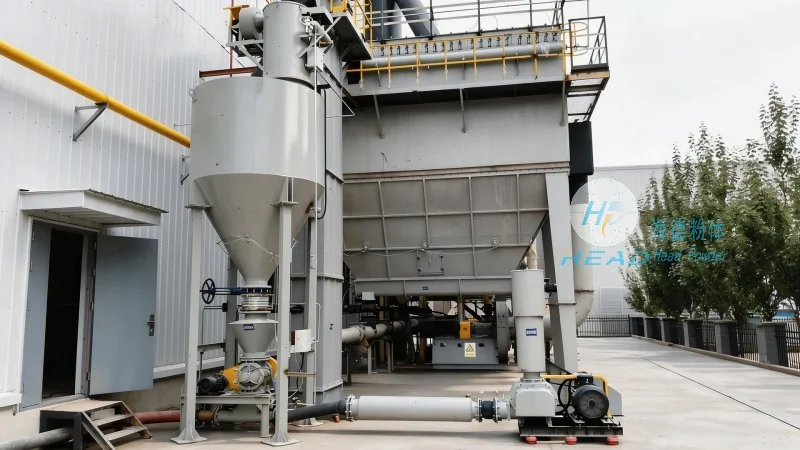
Introduction to Epoxy Resin Powder Conveying Systems
Epoxy resin powder conveying systems are critical components in industrial processes that require the precise movement of fine powders. These systems are engineered to handle the unique properties of epoxy resin powders, including their fine particle size, cohesive nature, and potential for static charge accumulation. The primary goal of such systems is to ensure reliable, low-dust, and efficient transfer of epoxy resin powders from storage to processing equipment, while maintaining product integrity and operational safety.
Company Overview: HeadPowder
HeadPowder, formally known as Shandong HeadPowder Engineering Co., Ltd., is a professional engineering firm dedicated to advancing powder handling technologies. With a strong presence in Shandong, China, our team of experts combines extensive industry experience with cutting-edge research to develop tailored solutions for clients across various sectors. Our commitment to quality and innovation has established us as a trusted partner in the epoxy resin and powder processing industries.

Principles of Epoxy Resin Powder Conveying
The core principle of epoxy resin powder conveying involves the use of mechanical or pneumatic methods to transport powders through a closed system. Mechanical conveyors, such as screw conveyors and belt conveyors, rely on physical movement to push or pull the powder along a designated path. Pneumatic conveyors, on the other hand, utilize compressed air to create a flow of powder within a pipeline. For epoxy resin powders, the choice of conveying method depends on factors like particle size, moisture content, and the need for dust control. Effective systems often incorporate features like air filtration, static elimination, and material separation to prevent clogging and ensure consistent performance.

Key Operational Scenarios and Applications
Epoxy resin powder conveying systems are widely used in various industrial applications where the handling of fine powders is essential. One common scenario is in the production of epoxy coatings and adhesives, where precise dosing and transfer of resin powders are critical to achieving uniform product quality. Another application is in the manufacturing of composite materials, where epoxy resin powders are combined with other components to create strong, durable products. Additionally, these systems are utilized in the pharmaceutical and food industries for the handling of specialized powders, though with additional safety and hygiene measures. In each of these scenarios, the efficiency and reliability of the conveying system directly impact production throughput and product consistency.
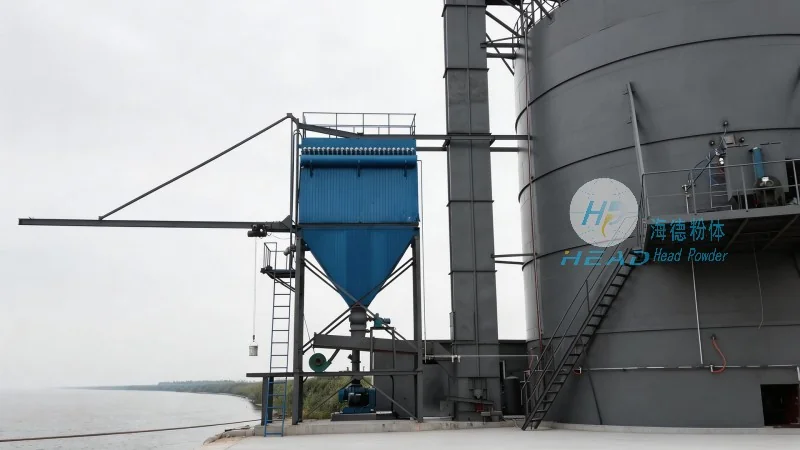
Technical Considerations for Effective Conveying
Several technical factors must be considered to ensure optimal performance of epoxy resin powder conveying systems. Material selection is a key consideration, as components must be resistant to chemical corrosion from epoxy resins and capable of withstanding abrasive wear from fine particles. The design of the conveying system must also address issues like static electricity, which can cause powder accumulation and blockages. Proper air filtration and static elimination devices are essential to maintain system efficiency and prevent product contamination. Additionally, the system should be equipped with monitoring and control features to detect and address issues such as clogs or pressure drops in real-time, ensuring continuous and reliable operation.
Conclusion
HeadPowder's expertise in epoxy resin powder conveying systems provides industrial clients with reliable and efficient solutions for their powder handling needs. By understanding the fundamental principles and operational scenarios of these systems, businesses can enhance productivity, reduce downtime, and maintain product quality. With our commitment to innovation and quality, HeadPowder continues to be a leader in delivering advanced engineering solutions for the powder processing industry.