

[Iron(II) Oxide Powder Handling System: What It Is and Its Design Principles]
Iron(II) oxide, commonly known as ferrous oxide, is a critical material in various industrial applications, including chemical synthesis, metallurgy, and as a precursor in the production of other iron compounds. Efficient and reliable handling of iron(II) oxide powder is essential to ensure process consistency, minimize material loss, and maintain operational safety. This article explores the iron(II) oxide powder handling system, detailing its components, operational mechanisms, and the underlying design principles that enable effective material transport and management.

Understanding the Iron(II) Oxide Powder Handling System
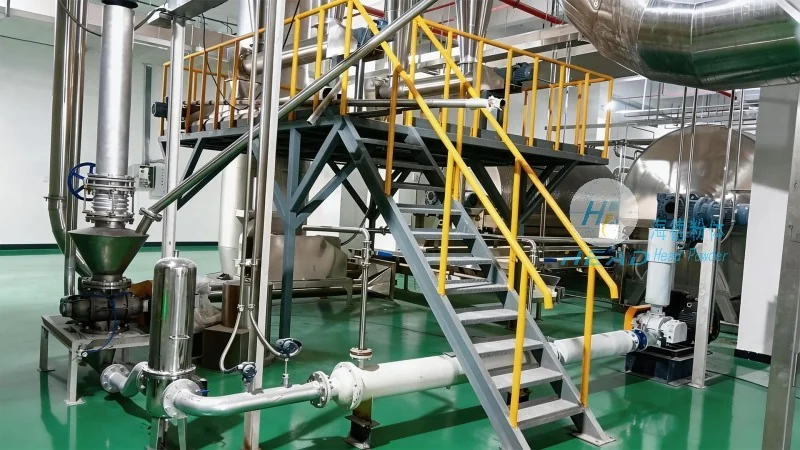
The iron(II) oxide powder handling system is a specialized setup designed to transport, store, and process iron(II) oxide powder from its source to the point of use. It typically integrates several key components, each playing a crucial role in the overall system's functionality. The system's design is tailored to address the unique properties of iron(II) oxide, such as its fine particle size, tendency to agglomerate, and potential reactivity under certain conditions.
Key Components of the Iron(II) Oxide Powder Handling System
1. Feeding and Metering Equipment: This component is responsible for introducing iron(II) oxide powder into the system at a controlled rate. Common devices include rotary valves, screw feeders, and vibratory feeders. These instruments ensure a consistent flow rate, preventing overloading or underfeeding that could disrupt downstream processes. The choice of equipment depends on the bulk density and flow characteristics of the iron(II) oxide powder, which can vary based on moisture content and particle size distribution.
2. Pneumatic Conveying Systems: For long-distance or high-volume transport, pneumatic conveying is often employed. This method uses compressed air to move the powder through a pipeline. The system typically includes a hopper, a rotary airlock, and a receiver. The design of the conveying line, including the diameter and length of the pipe, is critical to maintaining the powder's flowability and preventing blockages or degradation of the material.
3. Storage Silos and Hoppers: These structures are used to store iron(II) oxide powder before it is fed into the processing line. The silos are designed with smooth, non-stick surfaces to minimize powder buildup and ensure easy discharge. The hopper's geometry, such as the angle of repose, is optimized to prevent caking and ensure uniform flow from the storage vessel to the feeder.

4. Control and Monitoring Systems: Modern iron(II) oxide powder handling systems incorporate advanced control and monitoring technologies. Sensors are used to track the level of powder in the silos, the flow rate from the feeder, and the pressure in the conveying lines. This data is fed into a control system that adjusts the operation of the equipment in real-time, ensuring optimal performance and preventing issues like overfilling or underflow.
Design Principles for Efficient Iron(II) Oxide Powder Handling
The design of an iron(II) oxide powder handling system is guided by several fundamental principles aimed at maximizing efficiency, safety, and reliability. These principles address the specific challenges associated with handling fine powders, such as flowability, dust control, and material integrity.
1. Minimizing Powder Agglomeration: Iron(II) oxide particles have a tendency to stick together, forming agglomerates that can cause blockages in the system. To prevent this, the system incorporates features like vibration, air knives, and anti-static coatings. These measures ensure that the powder remains in a free-flowing state, maintaining consistent flow rates and preventing system downtime.
2. Effective Dust Control: Iron(II) oxide is a fine powder that can generate significant dust during handling. Dust control is critical to protect equipment, personnel, and the environment. The system includes dust collection systems, such as baghouses or cartridge filters, and enclosures around feeding and conveying equipment to capture and contain dust particles. Proper ventilation and filtration ensure that the air quality in the processing area remains within safe limits.
3. Preventing Corrosion and Material Degradation: Iron(II) oxide can be reactive with certain materials, and the handling system must be constructed from corrosion-resistant materials to prevent contamination and equipment failure. Stainless steel, polyethylene, or other inert materials are commonly used for components that come into direct contact with the powder. Additionally, the system is designed to minimize exposure to moisture and oxygen, which can cause oxidation or degradation of the iron(II) oxide.
4. Ensuring Process Consistency: Consistency in the flow rate and particle size distribution of iron(II) oxide is crucial for downstream processes. The design of the handling system includes features like variable speed drives for feeders, adjustable air pressure controls for pneumatic conveying, and automated control systems that maintain stable operating conditions. This consistency ensures that the final product meets the required specifications and reduces variability in the end product.
Operational Considerations and Maintenance
Proper operation and regular maintenance are essential to ensure the long-term performance and reliability of the iron(II) oxide powder handling system. Regular inspections of components, such as rotary valves and conveying lines, are necessary to detect and address issues like wear, blockages, or leaks. Cleaning procedures, including the use of air knives or mechanical scrapers, are performed to remove accumulated powder and prevent caking. Additionally, the system's control and monitoring equipment should be calibrated regularly to ensure accurate readings and effective control.