

What is a PTFE Pneumatic Conveying System? And What Are Its Design Principles?
PTFE (Polytetrafluoroethylene) pneumatic conveying systems are advanced industrial equipment designed to transport bulk materials through a pipeline using air or other gases as the conveying medium. These systems are widely used in various industries, including chemical, pharmaceutical, food processing, and powder handling, due to their efficiency, flexibility, and ability to handle a wide range of materials with minimal contamination. Understanding the core components and design principles of such systems is crucial for optimizing material handling processes and ensuring operational efficiency.

Core Components of a PTFE Pneumatic Conveying System
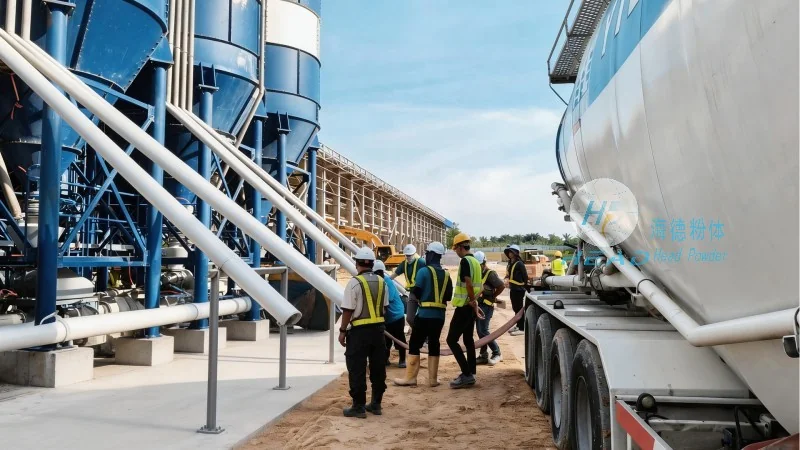
A typical PTFE pneumatic conveying system consists of several key components that work together to facilitate material transport. The primary components include a material hopper or feeder, a conveying line (often made of PTFE or other compatible materials), a blower or air compressor to generate the necessary airflow, and a receiver or discharge hopper to collect the conveyed material. The material hopper is responsible for feeding the bulk material into the system, while the feeder controls the flow rate to maintain consistent conveying performance. The conveying line, often constructed from PTFE or PFA (Perfluoroalkoxy) materials, ensures minimal material degradation and contamination, as these polymers are chemically inert and resistant to abrasion. The blower or air compressor provides the pressure or vacuum required to move the material through the pipeline, with options ranging from positive pressure (where air is forced into the line) to negative pressure (where air is drawn out). The receiver or discharge hopper collects the material at the end of the conveying line, allowing for easy downstream processing or storage.
Design Principles and Operational Mechanics
The design of a PTFE pneumatic conveying system is based on fundamental principles of fluid dynamics and material handling. The system operates by creating a flow of air or gas that entrains the bulk material particles, carrying them through the pipeline to the destination. The key design considerations include the selection of the appropriate conveying method (e.g., dilute phase or dense phase), the determination of the required airflow rate and pressure, and the optimization of the pipeline layout to minimize pressure losses and material degradation. Dilute phase conveying involves transporting material in a low concentration of particles suspended in the air stream, typically at higher velocities, while dense phase conveying uses lower velocities and higher material concentrations, often with the aid of pulse jets or other control mechanisms to maintain material flow. The choice between these methods depends on the material properties, such as particle size, density, and moisture content, as well as the distance and elevation changes involved in the conveying process. Additionally, the system's design must account for factors like material abrasiveness, corrosiveness, and the need for containment to prevent dust emissions and environmental contamination. PTFE materials are particularly well-suited for these applications due to their excellent chemical resistance, low friction coefficients, and ability to withstand high temperatures and mechanical stress.

Company Introduction: Shandong HeadPowder Engineering Co., Ltd.
Shandong HeadPowder Engineering Co., Ltd., commonly known as HeadPowder, is a leading manufacturer and supplier of advanced pneumatic conveying systems and related industrial equipment. With a strong focus on innovation and quality, HeadPowder specializes in designing and manufacturing PTFE-based pneumatic conveying solutions tailored to the specific needs of various industries. The company's products are engineered to meet stringent industry standards and are backed by extensive research and development to ensure reliability, efficiency, and durability. HeadPowder's commitment to customer satisfaction and technical excellence has established it as a trusted partner in the field of bulk material handling. The company's headquarters is located in Shandong, China, where it operates a state-of-the-art manufacturing facility equipped with advanced machinery and skilled personnel to produce high-quality PTFE pneumatic conveying systems. Through continuous improvement and adherence to international quality management systems, HeadPowder ensures that its products deliver optimal performance and long-term value to its clients.

Applications and Advantages of PTFE Pneumatic Conveying Systems
PTFE pneumatic conveying systems are versatile and can be applied in a wide range of industrial processes where bulk materials need to be transported efficiently and safely. Some common applications include the handling of fine powders, granules, and bulk solids in chemical manufacturing, pharmaceutical production, food processing, and mineral processing. These systems are particularly advantageous in environments where dust control, material purity, and minimal contamination are critical. The use of PTFE materials in the system components ensures that the conveyed materials remain free from chemical reactions or contamination, which is essential for products that require high purity, such as pharmaceuticals or food ingredients. Additionally, PTFE's low friction properties reduce wear and tear on the conveying line, extending the system's operational life and reducing maintenance costs. The flexibility of pneumatic conveying systems allows for easy integration into existing production lines and the ability to transport materials over long distances or through complex layouts, making them a preferred choice for many industrial applications. Overall, PTFE pneumatic conveying systems offer a reliable, efficient, and cost-effective solution for bulk material handling, contributing to improved productivity and operational efficiency in various industries.