

What is Sorghum Pneumatic Conveying Equipment? And What Are Its Design Principles?
Understanding the role and design of sorghum pneumatic conveying equipment is crucial for those involved in grain processing and handling. This equipment is specifically engineered to transport sorghum, a versatile grain used in various industries, with efficiency and precision. The following sections delve into the equipment's functionality and the underlying design principles that make it effective.
Key Components of Sorghum Pneumatic Conveying Systems
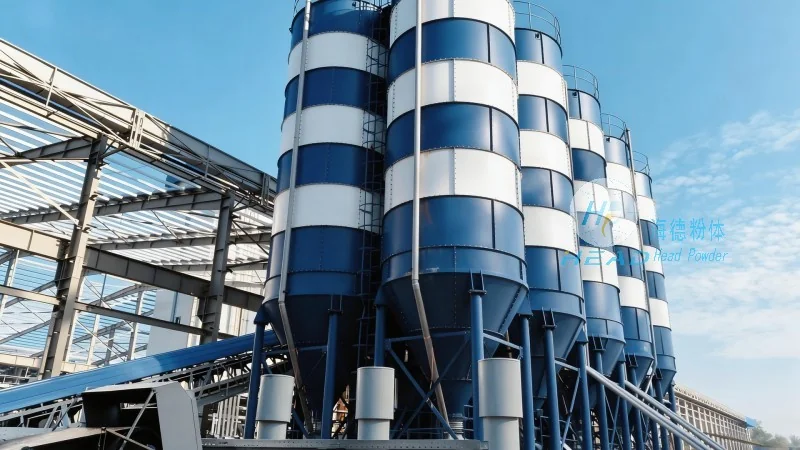
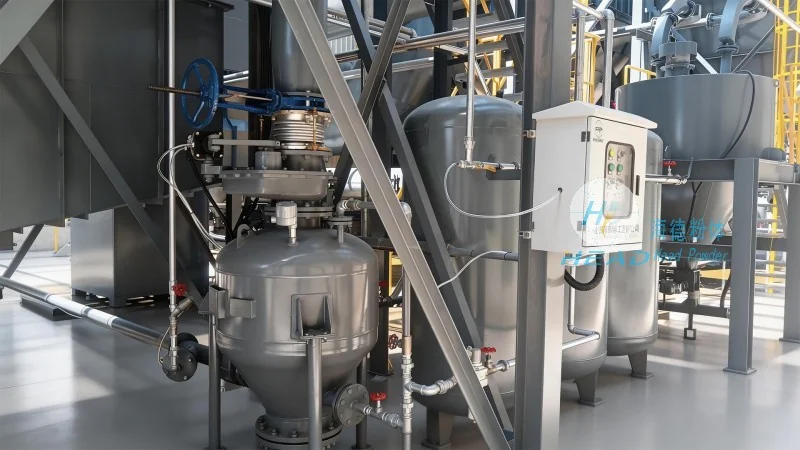
At the core of sorghum pneumatic conveying equipment are several critical components that work in tandem to ensure smooth material transport. These include the hopper for material storage, the conveyor itself (which may be of the positive or negative pressure type), and the control systems that regulate air flow and pressure. The hopper is designed to hold a sufficient quantity of sorghum, ensuring a steady feed to the conveyor. The conveyor, whether using air as the conveying medium, employs either a positive pressure system where air is blown into the line to push the material, or a negative pressure system where air is drawn out to pull the material. The control systems are essential for maintaining consistent pressure and flow rates, preventing blockages and ensuring the safe and efficient movement of sorghum.

Design Principles Behind Efficient Sorghum Transport
The design principles of sorghum pneumatic conveying equipment are centered on optimizing material flow, minimizing energy consumption, and ensuring the integrity of the grain. One key principle is the selection of appropriate air velocity, which must be high enough to overcome the friction between the sorghum particles and the conveying line but low enough to prevent excessive wear on the equipment and to maintain the quality of the grain. The equipment's design also considers the size and density of sorghum grains, as these factors influence the required air pressure and flow rate. For instance, larger or denser sorghum particles may necessitate higher air velocities and pressures to ensure effective transport. Additionally, the system's layout, including the length and number of bends, is carefully planned to minimize pressure losses and maintain consistent flow. The use of smooth, non-abrasive materials for the conveying line and components is another critical design consideration, as it reduces wear and prolongs the equipment's lifespan while protecting the sorghum from damage.

Applications and Benefits of Sorghum Pneumatic Conveying Equipment
Sorghum pneumatic conveying equipment is widely used in various applications, from agricultural processing to food and feed production. Its primary benefits include high efficiency in transporting large quantities of sorghum over long distances, reduced labor costs compared to manual handling, and improved safety by minimizing the need for workers to handle the grain directly. The equipment also helps maintain the quality of the sorghum by preventing contamination and reducing the risk of breakage or damage during transport. In agricultural settings, it is commonly used for moving sorghum from fields to storage facilities or processing plants. In food and feed industries, it is employed to transfer sorghum to milling or grinding operations, where it is processed into flour, bran, or other products. The versatility of the equipment allows it to adapt to different production scales, from small-scale farms to large industrial facilities.
Customization and Maintenance Considerations
Shandong HeadPowder Engineering Co., Ltd., a leading manufacturer based in China, offers customized sorghum pneumatic conveying solutions tailored to specific operational needs. The company's expertise lies in designing systems that meet the unique requirements of each client, including the type of sorghum being handled, the distance of transport, and the desired throughput. Customization may involve adjusting the hopper size, conveyor length, and air pressure systems to optimize performance. Regular maintenance is also essential to ensure the longevity and efficiency of the equipment. This includes cleaning the conveying line and components to prevent clogging, inspecting for wear and tear, and performing routine checks on the control systems. Proper maintenance not only extends the equipment's lifespan but also ensures consistent performance and reduces the risk of operational disruptions.