

How to Choose the Right Pneumatic Conveying System for Your Silicon Carbide Handling Process?
When it comes to handling silicon carbide (SiC), a critical material used in various industrial applications such as refractory materials, abrasive products, and semiconductor manufacturing, selecting the appropriate pneumatic conveying system is paramount. The choice of system directly impacts operational efficiency, material integrity, and overall process reliability. This guide aims to help you navigate the key considerations for selecting a suitable pneumatic conveying system tailored to your silicon carbide handling needs.

Understanding Silicon Carbide Handling Requirements
Silicon carbide is a hard, abrasive, and often fine-grained material that demands specialized handling solutions. Unlike many bulk materials, SiC particles can be sensitive to friction and impact, making the selection of a conveying system that minimizes particle degradation and maintains product quality essential. Factors such as particle size distribution, moisture content, and the presence of dust or contaminants further influence the optimal system design. At Shandong HeadPowder Engineering Co., Ltd. (headpowder), we recognize these unique challenges and offer tailored solutions to ensure your silicon carbide handling process operates at peak performance.
Key Factors in Selecting a Pneumatic Conveying System
The first step in choosing a pneumatic conveying system for silicon carbide is to evaluate the material's physical properties and the process requirements. Several critical factors must be considered to ensure the system is both effective and cost-efficient:

- Conveying Distance and Layout: The distance and layout of the conveying line will determine whether a pressure or vacuum system is more suitable. Longer distances often require pressure systems with higher air pressure to maintain material flow, while shorter distances or applications involving material return may benefit from vacuum systems.
- Material Flow Rate and Throughput: The required flow rate of silicon carbide dictates the system's capacity. Higher throughput demands larger duct sizes and more powerful air compressors or vacuum pumps to maintain consistent material transport. Our team at headpowder can help you calculate the necessary air volume and pressure based on your specific production needs.
- Material Abrasiveness and Wear: Silicon carbide is highly abrasive, which means the system components (such as ducts, valves, and cyclones) must be constructed from durable materials like stainless steel or special alloys to withstand long-term wear. At headpowder, we recommend using wear-resistant materials and regular maintenance to extend the system's lifespan.
- Environmental and Safety Considerations: Proper dust control and safety measures are crucial when handling silicon carbide, as fine particles can pose respiratory hazards. Our systems incorporate dust collection and filtration components to ensure compliance with environmental regulations and protect your workforce. Additionally, the system design should minimize the risk of explosion or fire, especially when dealing with fine powders.
Types of Pneumatic Conveying Systems for Silicon Carbide
There are primarily two types of pneumatic conveying systems used for handling silicon carbide: pressure systems and vacuum systems. Each has its own advantages and is suitable for different applications:
- Pressure Pneumatic Conveying: In a pressure system, air is introduced into the material at a higher pressure (typically 5-15 bar) and pushes the material through the conveying line. This method is ideal for long-distance transport and material transfer from multiple sources. Pressure systems are also effective for handling abrasive materials like silicon carbide because the high pressure reduces the risk of material clogging. At headpowder, our pressure systems are designed with robust components to handle the demanding nature of SiC.
- Vacuum Pneumatic Conveying: A vacuum system uses a vacuum pump to draw material from a hopper or storage silo into the conveying line. This method is suitable for shorter distances and applications where material needs to be returned to a central location. Vacuum systems are often preferred for handling fine powders as they can maintain a consistent flow without the need for high air pressure. However, they may require more maintenance due to the continuous operation of the vacuum pump.
Components of an Effective Silicon Carbide Pneumatic Conveying System
Regardless of the system type, a successful silicon carbide handling solution involves several key components that work in harmony to ensure efficient material transport. These components include:

- Material Feeders: Proper feeding is critical to prevent material bridging and ensure a consistent flow rate. Screw feeders or rotary valves are commonly used for silicon carbide, as they can handle abrasive materials without causing excessive wear. At headpowder, we recommend using feeders with wear-resistant coatings to extend their operational life.
- Ductwork and Pipelines: The choice of duct material is essential for handling abrasive silicon carbide. Stainless steel or high-density polyethylene (HDPE) are popular choices due to their durability and resistance to wear. The diameter of the duct should be appropriately sized to maintain the correct air-to-material ratio, preventing clogging and ensuring smooth flow.
- Valves and Controls: Control valves, such as butterfly or gate valves, are used to regulate the flow of material and air. These valves must be designed to handle abrasive materials and withstand high pressure or vacuum conditions. Our systems incorporate automated control systems to optimize material flow and reduce energy consumption.
- Cyclone Separators and Filters: To separate the conveyed material from the air stream, cyclone separators are used in both pressure and vacuum systems. These devices rely on centrifugal force to separate particles from the air, which is then recirculated or discharged. For silicon carbide, high-efficiency cyclones or bag filters are recommended to capture fine particles and prevent dust emissions. At headpowder, we offer filtration solutions that meet environmental standards and ensure clean air discharge.
- Air Compressors or Vacuum Pumps: The power source for the conveying system, air compressors (for pressure systems) or vacuum pumps (for vacuum systems) must be capable of delivering the required air volume and pressure. At headpowder, we recommend using energy-efficient compressors and pumps that are designed for continuous operation, reducing long-term operational costs.
Customizing the System for Your Specific Needs
At Shandong HeadPowder Engineering Co., Ltd. (headpowder), we understand that every silicon carbide handling process is unique. Our team of engineers works closely with clients to design and implement customized pneumatic conveying systems that meet their specific requirements. We conduct thorough material analysis and process assessments to determine the optimal system configuration, ensuring that the final solution is both efficient and cost-effective.
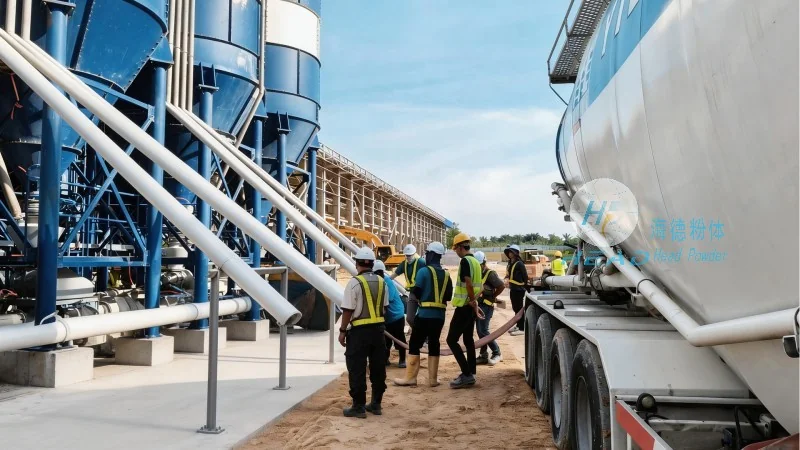
Our approach involves:
- Material Characterization: We analyze the physical properties of your silicon carbide, including particle size, density, and abrasiveness, to select the most suitable system components.
- Process Simulation: Using advanced software, we simulate the conveying process to predict performance and identify potential issues before installation.
- System Design and Engineering: Our engineers design the complete system, including ductwork, valves, and control systems, tailored to your facility layout and operational needs.
- Installation and Commissioning: We provide professional installation services and thorough commissioning to ensure the system operates as intended.
- Maintenance and Support: We offer ongoing maintenance and technical support to maximize the system's lifespan and minimize downtime.
Conclusion
Selecting the right pneumatic conveying system for your silicon carbide handling process is a critical decision that impacts operational efficiency, material quality, and safety. By considering factors such as conveying distance, material flow rate, abrasiveness, and environmental requirements, you can choose a system that meets your specific needs. At Shandong HeadPowder Engineering Co., Ltd. (headpowder), we specialize in designing and manufacturing high-quality pneumatic conveying systems tailored to the unique challenges of silicon carbide handling. Our expertise and commitment to quality ensure that your system operates reliably and efficiently, helping you achieve your production goals while maintaining product integrity and safety standards.