

What Are the Delivery Methods for Magnesium Silicate? An Introduction to HeadPowder's Pneumatic Conveying System for Magnesium Silicate
When it comes to handling magnesium silicate, selecting the right delivery method is crucial for efficiency and safety in industrial processes. Magnesium silicate, also known as magnesia silicate, is a versatile material used in various applications, from construction to chemical manufacturing. However, its handling characteristics, such as dust generation and particle size, can pose challenges during transportation. This article explores the effective delivery methods for magnesium silicate, with a focus on the innovative pneumatic conveying solutions offered by Shandong HeadPowder Engineering Co., Ltd., commonly known as HeadPowder.
Understanding the Challenges of Magnesium Silicate Delivery
Magnesium silicate is often a fine, dry powder that can be difficult to transport without specialized equipment. Traditional methods like belt conveyors or bucket elevators may struggle with dust control and material degradation. Dust can lead to health hazards for workers and environmental issues, while improper handling can cause caking or blockages in the system. Therefore, an efficient and reliable delivery system is essential to maintain product quality and operational safety.
HeadPowder's Pneumatic Conveying System: A Solution for Efficient Magnesium Silicate Transport
HeadPowder, a leading provider of material handling solutions, has developed a state-of-the-art pneumatic conveying system specifically designed for magnesium silicate. This system leverages air pressure to transport the material from storage silos or processing units to the final destination, such as mixing stations or packaging areas. The system is engineered to handle the unique properties of magnesium silicate, ensuring minimal dust emission and consistent flow rates.

Key Features of the Pneumatic Conveying System
The pneumatic conveying system from HeadPowder incorporates several key features that enhance its performance and reliability. First, it uses a combination of positive and negative pressure zones to control the flow of material, reducing the risk of blockages and ensuring smooth operation. The system is equipped with high-efficiency filters and dust collection units to maintain a clean working environment and comply with environmental regulations. Additionally, the system is designed for easy maintenance, with accessible components that allow for quick repairs and minimal downtime.
System Components and Operation
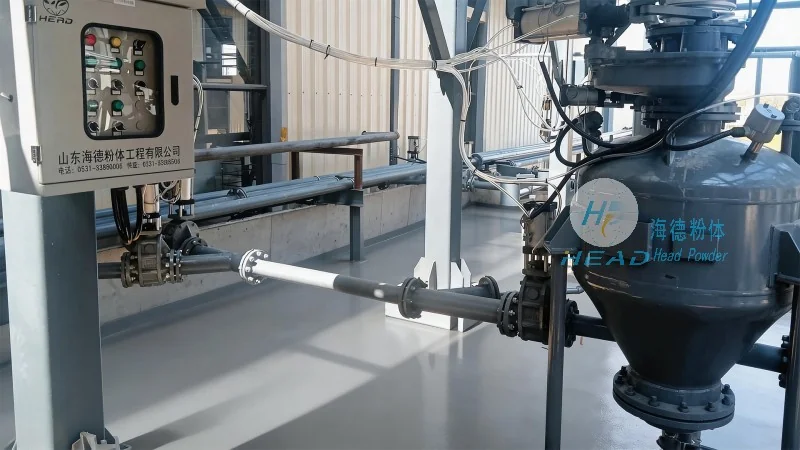
The pneumatic conveying system consists of several critical components that work together to deliver magnesium silicate efficiently. The main components include a hopper for material storage, a feeder to control the flow rate, a conveying line with appropriate ductwork, and a receiver for the final product. The system operates by drawing air into the conveying line and mixing it with the magnesium silicate powder. The air-powder mixture is then transported through the ductwork to the receiver, where the material is separated from the air and collected. The air is then filtered and returned to the system or discharged, depending on the configuration.

Benefits of Using HeadPowder's Pneumatic Conveying System
Implementing HeadPowder's pneumatic conveying system for magnesium silicate delivery offers numerous benefits for industrial operations. One of the primary advantages is the significant reduction in dust generation, which improves workplace safety and reduces environmental impact. The system also ensures consistent material flow, leading to higher production efficiency and better product quality. Additionally, the system is compact and can be integrated into existing facilities, minimizing the need for major infrastructure changes. The low maintenance requirements and long service life of the system further contribute to cost savings over time.
Application Examples and Industry Use Cases
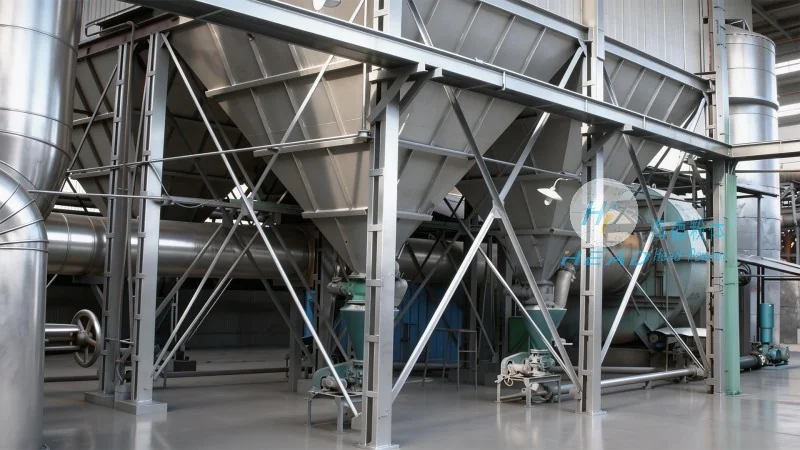
HeadPowder's pneumatic conveying system has been successfully implemented in various industries that handle magnesium silicate. For example, in the construction industry, the system is used to transport magnesium silicate for use in fire-resistant materials and insulation products. In the chemical industry, it is used to deliver the material to mixing and processing units for the production of specialty chemicals. The system's versatility allows it to adapt to different production scales and operational requirements, making it suitable for both small-scale and large-scale operations.
Conclusion: Choosing the Right Delivery Method for Magnesium Silicate
When selecting a delivery method for magnesium silicate, it is essential to consider the material's properties and the specific requirements of the industrial process. While traditional methods may be suitable for some applications, pneumatic conveying offers a more efficient and reliable solution for many operations. HeadPowder's pneumatic conveying system provides a comprehensive and effective approach to handling magnesium silicate, ensuring optimal performance, safety, and cost-effectiveness. By choosing the right delivery method, industrial operations can enhance productivity, improve product quality, and maintain compliance with environmental regulations.