

Sodium Sulfate Conveying Methods: An Introduction to HeadPowder's Pneumatic Conveying Solutions
When it comes to transporting sodium sulfate, selecting the right method is crucial for efficiency, cost-effectiveness, and safety in industrial operations. Sodium sulfate, also known as Glauber's salt or mirabilite, is a common chemical used in various industries, including glass manufacturing, paper production, and chemical processing. The choice of conveying method directly impacts the overall performance of the process, affecting factors such as material handling speed, equipment maintenance, and environmental compliance.

Understanding Sodium Sulfate and Its Handling Requirements
Sodium sulfate is a white crystalline solid with a high density and relatively low moisture content, making it suitable for various handling techniques. However, its physical properties, such as its tendency to form lumps or clumps under certain conditions, can pose challenges during transportation. Effective conveying systems must address these challenges to ensure smooth material flow and prevent blockages or equipment damage. The selection of a conveying method depends on several factors, including the volume of material to be transported, the distance between the source and destination, the required speed of transfer, and the environmental conditions of the operation.
Traditional Conveying Methods and Their Limitations
Historically, sodium sulfate has been transported using conventional methods like belt conveyors, screw conveyors, and bucket elevators. While these methods are widely used, they often present limitations when dealing with bulk quantities or challenging material characteristics. Belt conveyors, for example, may struggle with material that is sticky or prone to bridging, leading to inefficiencies and increased maintenance costs. Screw conveyors, though effective for horizontal or slight incline transport, can suffer from wear and tear due to the abrasive nature of the material. Bucket elevators, on the other hand, require regular cleaning and maintenance to prevent material buildup and ensure consistent performance.
Introducing HeadPowder's Pneumatic Conveying Solutions
HeadPowder Engineering Co., Ltd., a leading provider of industrial material handling solutions, offers advanced pneumatic conveying systems tailored to the specific needs of sodium sulfate transportation. Based in Shandong, China, HeadPowder specializes in designing and manufacturing efficient, reliable, and cost-effective conveying equipment that addresses the unique challenges of handling sodium sulfate. Their pneumatic conveying solutions are engineered to provide superior performance, minimal maintenance, and enhanced safety compared to traditional methods.
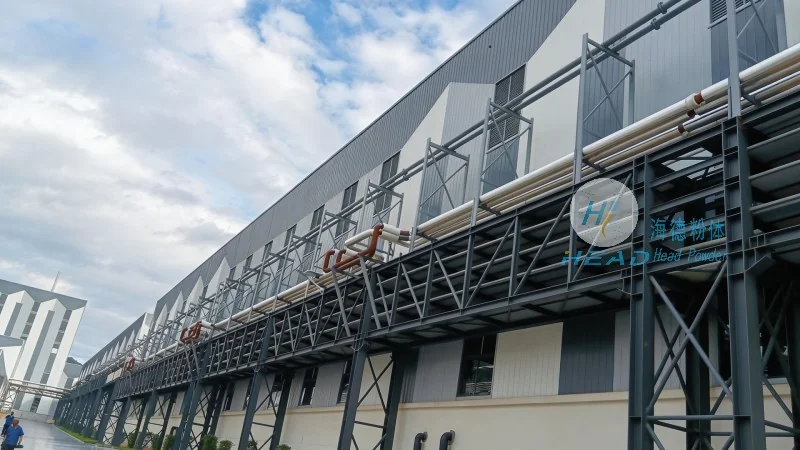
The Advantages of Pneumatic Conveying for Sodium Sulfate
Pneumatic conveying, also known as air conveying, uses compressed air to transport dry bulk materials through a pipeline system. This method offers several advantages for sodium sulfate handling, including high capacity, flexibility in layout, and the ability to transport materials over long distances without the need for multiple transfer points. Unlike mechanical conveyors, pneumatic systems can handle materials that are prone to clumping or bridging, as the air flow helps to break up aggregates and maintain consistent flow rates. Additionally, pneumatic conveying reduces the risk of material contamination and dust exposure, which is particularly important for sodium sulfate applications where purity is critical.
Key Components of HeadPowder's Pneumatic Conveying Systems
HeadPowder's pneumatic conveying systems consist of several key components that work together to ensure efficient material transport. These components include a material feeder, a compressor, a pipeline network, and a receiver or discharge unit. The material feeder is designed to handle sodium sulfate efficiently, with features such as a hopper with a discharge valve to control the flow rate and prevent material buildup. The compressor provides the necessary air pressure to move the material through the pipeline, with options for both positive and negative pressure systems depending on the application. The pipeline network is constructed from durable materials, such as stainless steel or PVC, to withstand the corrosive properties of sodium sulfate and ensure long-term reliability. The receiver or discharge unit is equipped with a filter and a pressure relief valve to maintain system integrity and prevent overpressure.
Customization and Scalability for Diverse Applications
HeadPowder understands that each industrial operation has unique requirements, and their pneumatic conveying solutions are designed to be customizable and scalable. Whether the application involves short-distance transport within a facility or long-distance transfer between sites, HeadPowder can design a system that meets the specific needs of the client. The company offers a range of system configurations, including dilute phase and dense phase conveying, to accommodate different material flow rates and distances. Dilute phase systems use lower air velocities to transport material over longer distances, while dense phase systems use higher air velocities to move material more quickly over shorter distances. This flexibility allows HeadPowder to provide tailored solutions that optimize performance and minimize costs for each individual project.

Installation, Maintenance, and Support Services
HeadPowder provides comprehensive support throughout the entire lifecycle of their pneumatic conveying systems. From initial system design and installation to ongoing maintenance and troubleshooting, the company's team of experts ensures that clients receive the best possible service. The installation process is carefully planned to minimize downtime and ensure that the system is integrated seamlessly into the existing infrastructure. Regular maintenance is performed to keep the equipment in optimal condition, with scheduled inspections and component replacements as needed. In addition to maintenance services, HeadPowder offers technical support and training to help clients maximize the performance of their conveying systems and address any issues that may arise.
Case Studies and Real-World Applications
HeadPowder's pneumatic conveying systems have been successfully implemented in various industries, demonstrating their effectiveness in handling sodium sulfate. For example, in a glass manufacturing plant, the company's system was installed to transport sodium sulfate from storage silos to the production line, reducing material handling time by 30% and improving overall efficiency. In another application, a chemical processing facility used HeadPowder's system to transfer sodium sulfate between processing units, eliminating the need for manual handling and reducing the risk of workplace accidents. These case studies highlight the benefits of using advanced pneumatic conveying solutions for sodium sulfate transportation, including increased productivity, lower operating costs, and enhanced safety.
Conclusion: Choosing the Right Conveying Method for Sodium Sulfate
When selecting a conveying method for sodium sulfate, it is essential to consider the specific requirements of the operation and the advantages offered by different technologies. While traditional methods like belt and screw conveyors have their place, pneumatic conveying systems from HeadPowder Engineering Co., Ltd. provide a superior solution for many applications. With their expertise in material handling and commitment to quality, HeadPowder offers reliable, efficient, and cost-effective pneumatic conveying systems that meet the needs of industrial clients worldwide. By choosing HeadPowder's solutions, businesses can improve their sodium sulfate handling processes, reduce costs, and enhance overall operational performance.