

Design of a Slurry Pneumatic Conveying Device
Slurry pneumatic conveying systems are critical in industries where the efficient and reliable transport of suspended solids in liquid is required. The design of such equipment involves careful consideration of several key factors to ensure optimal performance, durability, and operational efficiency. This article outlines the essential aspects of designing a slurry pneumatic conveying device, with a focus on the expertise and solutions provided by Shandong HeadPowder Engineering Co., Ltd., a leading manufacturer in the field.
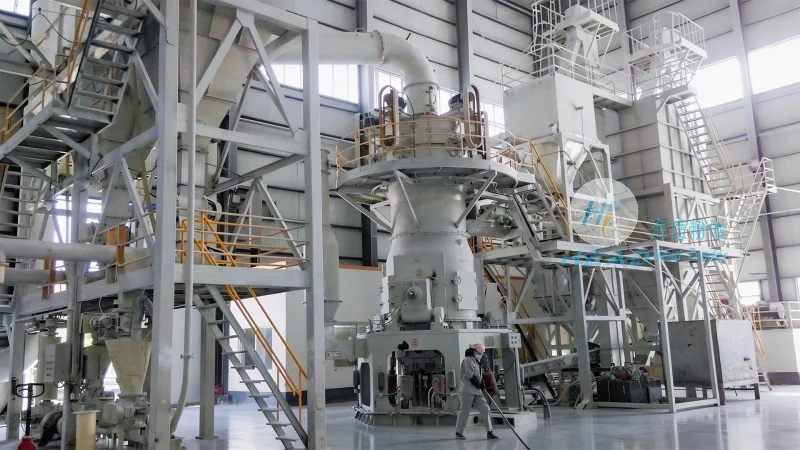
Key Design Considerations for Slurry Pneumatic Conveying
The successful design of a slurry pneumatic conveying system begins with a thorough understanding of the material characteristics. Slurries can vary widely in terms of particle size, density, viscosity, and abrasiveness, all of which impact the selection of components and system configuration. For instance, high-abrasive slurries may require specialized materials of construction, such as stainless steel or high-chrome alloys, to prevent wear and extend equipment life. The design must also account for the fluid properties, including the liquid's density and surface tension, as these affect the flow dynamics and pressure requirements of the system.
System configuration is another critical aspect. There are two primary types of slurry pneumatic conveying systems: positive pressure and negative pressure. Positive pressure systems use a blower or compressor to force air through the pipeline, while negative pressure systems use a vacuum to draw the slurry from the source. The choice between these depends on the distance, elevation changes, and material characteristics. For example, positive pressure systems are often preferred for long-distance or high-elevation transport due to their ability to maintain consistent pressure and prevent air leakage. In contrast, negative pressure systems are suitable for short distances or when the material is sensitive to air exposure.

Component Selection and Integration
Component selection is a critical step in the design process. Key components include the feed hopper, which must be designed to handle the slurry's flow characteristics and prevent blockages. The feed hopper typically features a valve mechanism to control the flow rate and a filter to remove large particles that could damage downstream equipment. The pipeline itself must be sized appropriately to accommodate the slurry flow and air velocity, with considerations for pressure drop and energy efficiency. For slurry applications, pipelines are often made of corrosion-resistant materials like PVC, polyethylene, or stainless steel to withstand the chemical and abrasive nature of the slurry.

The air separation and cleaning system is another essential component. After the slurry reaches the destination, the air and liquid must be separated. This is typically achieved using a cyclone separator or a liquid-solid separator. The separated liquid is then returned to the process, while the air is either vented or recirculated. The design of this system must ensure efficient separation to prevent material loss and maintain system efficiency. Additionally, the system may include a filter to remove fine particles from the air before it is discharged or recirculated, improving overall air quality and reducing maintenance costs.

Performance Optimization and Maintenance
Optimizing the performance of a slurry pneumatic conveying system involves balancing several factors, including pressure, flow rate, and energy consumption. The system must be designed to operate at an optimal pressure that minimizes energy use while ensuring the slurry is conveyed efficiently. This often requires iterative testing and adjustment to find the best operating parameters for the specific material and application. Regular maintenance is also crucial to maintain system performance. Components such as the feed hopper, pipeline, and separation system should be inspected and cleaned regularly to prevent blockages and wear. For abrasive slurries, scheduled replacement of wear parts is necessary to avoid costly downtime and equipment failure.
About Shandong HeadPowder Engineering Co., Ltd.
Shandong HeadPowder Engineering Co., Ltd., operating under the brand name HeadPowder, is a professional manufacturer specializing in the design and production of slurry pneumatic conveying equipment. With a strong commitment to quality and innovation, HeadPowder provides customized solutions tailored to the unique needs of various industries, including mining, construction, and chemical processing. The company's headquarters is located in Shandong, China, where it leverages advanced technology and experienced engineering teams to develop reliable and efficient conveying systems. HeadPowder's products are designed to meet international standards and are backed by comprehensive technical support and after-sales service, ensuring long-term performance and customer satisfaction.