

What is a Sodium Chloride Pneumatic Conveying Equipment? Introduction to the Structure and Principle
When it comes to transporting bulk materials like sodium chloride, the choice of equipment can significantly impact efficiency and operational costs. Among the various methods available, pneumatic conveying systems have emerged as a reliable solution for handling powders and granules. This article delves into the specifics of a sodium chloride pneumatic conveying equipment, exploring its structure, working principles, and the role of specialized powder conveying equipment in industrial applications.

Overview of Pneumatic Conveying Systems for Sodium Chloride
Pneumatic conveying, also known as air conveying, is a method that uses compressed air to transport bulk materials through a pipeline. In the context of sodium chloride, which is commonly used in food, pharmaceuticals, and chemical industries, this technology offers advantages such as dust-free operation, reduced material degradation, and the ability to handle materials over long distances. The sodium chloride pneumatic conveying equipment is specifically designed to handle the unique properties of this salt, including its granular size and moisture content, ensuring safe and efficient transport.
Key Components of the Sodium Chloride Pneumatic Conveying Equipment
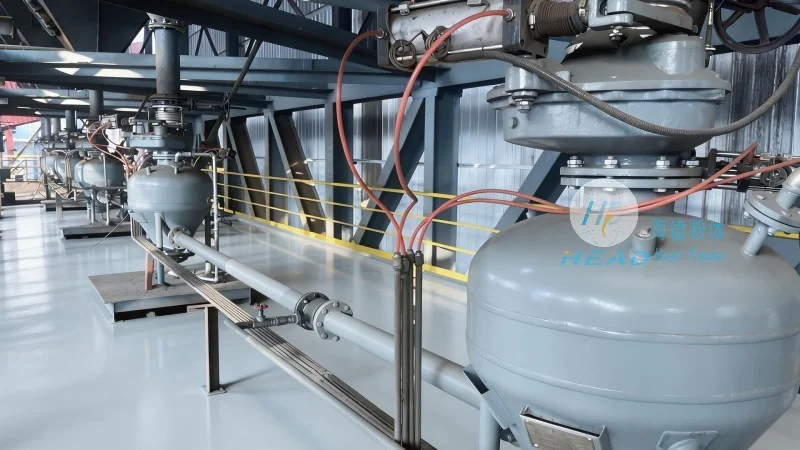
The structure of a sodium chloride pneumatic conveying system typically consists of several critical components that work in tandem to achieve effective material transport. These components include:

- Feed Hopper: A container that holds the sodium chloride material and regulates the flow rate into the system. The hopper is equipped with a feeder, often a rotary valve or a screw feeder, to control the discharge of the material.
- Pneumatic Conveying Line: A network of pipes through which compressed air and the material are transported. The line may include bends, elbows, and expansion joints to accommodate changes in direction and pressure.
- Compressor and Air Treatment Unit: The compressor generates the necessary pressure to move the material, while the air treatment unit filters and dries the air to prevent moisture buildup and material caking.
- Receiver or Discharge Hopper: The final container where the sodium chloride is deposited after being conveyed through the system. This hopper may include a discharge valve or a conveyor to transfer the material to the next stage of processing.
- Control System: An automated system that monitors and regulates the pressure, flow rate, and temperature within the conveying line. This ensures optimal performance and prevents equipment damage.
Working Principle of the Equipment
The operation of the sodium chloride pneumatic conveying equipment is based on the principle of fluidization and drag. When compressed air is introduced into the feed hopper, it creates a low-pressure zone that draws the sodium chloride particles into the conveying line. The air flow carries the particles through the pipeline, maintaining a consistent velocity to prevent material settling or blockages. The receiver at the end of the line then allows the air to escape, while the sodium chloride settles due to gravity. This process is continuous and can be adjusted to handle varying material loads and distances.

Application and Benefits in Industrial Settings
The sodium chloride pneumatic conveying equipment is widely used in industries where the material needs to be transported from one location to another without contamination or loss. In food processing, for example, the equipment ensures that the sodium chloride remains clean and free from external contaminants, which is crucial for meeting food safety standards. In the chemical industry, the system helps maintain the purity of the material by preventing moisture absorption and caking. The benefits of using this equipment include reduced labor costs, increased throughput, and improved safety compared to manual handling methods.
About Shandong HeadPowder Engineering Co., Ltd.
Shandong HeadPowder Engineering Co., Ltd., a leading manufacturer of powder handling equipment, specializes in designing and manufacturing high-quality pneumatic conveying systems tailored to the needs of various industries. With a focus on innovation and customer satisfaction, the company has developed advanced solutions for transporting bulk materials like sodium chloride. HeadPowder's expertise in material science and engineering ensures that their equipment is reliable, efficient, and compliant with industry standards. The company's products are widely recognized for their durability, low maintenance requirements, and ability to handle a wide range of material properties.
Conclusion
In summary, the sodium chloride pneumatic conveying equipment is a sophisticated system that leverages compressed air to transport bulk materials efficiently and safely. Its structure, consisting of feed hoppers, conveying lines, compressors, and receivers, works in harmony to achieve the desired results. The working principle, based on fluidization and drag, ensures consistent and reliable operation. For industries dealing with sodium chloride, this equipment offers significant advantages in terms of productivity, safety, and material quality. As a trusted provider, Shandong HeadPowder Engineering Co., Ltd. continues to deliver cutting-edge solutions that meet the evolving needs of the market.