

What is Magnetic Powder Pneumatic Conveying Equipment? An Introduction to the Structure and Working
Magnetic powder pneumatic conveying equipment is a specialized system designed for the efficient and safe transportation of magnetic powders and other fine particulate materials. This technology plays a crucial role in various industrial sectors, including chemical processing, pharmaceutical manufacturing, and food processing, where the handling of powders requires precision and control. The equipment combines pneumatic conveying principles with magnetic properties to ensure reliable material transport, minimizing product contamination and optimizing operational efficiency.
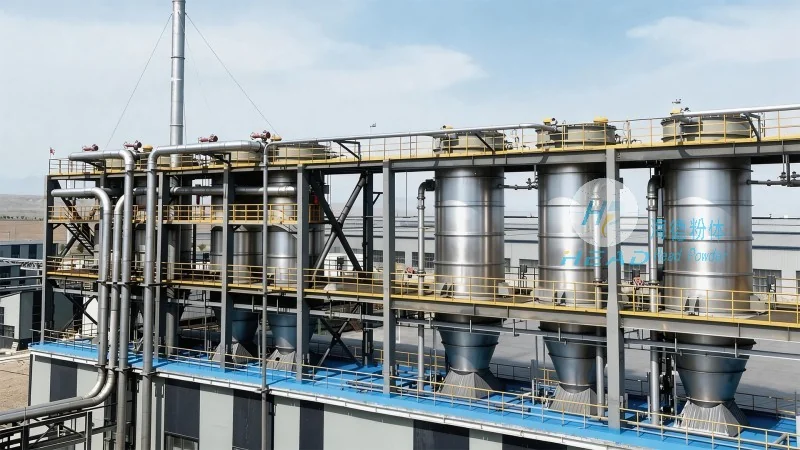
Structure and Working Principle of Magnetic Powder Pneumatic Conveying Equipment
The core components of a magnetic powder pneumatic conveying system typically include several key elements that work in tandem to facilitate material movement. The primary structure consists of an air supply system, which generates the necessary pressure to move the powder through the conveying line. This is often complemented by a feed hopper or feeder that controls the flow of the magnetic powder into the system. The conveying line itself is usually made of materials resistant to corrosion and wear, such as stainless steel, to ensure durability and maintain product purity. At the receiving end, a separation or collection unit is employed to capture the powder and separate it from the air stream. Additionally, a magnetic separator may be integrated to remove any stray magnetic particles or contaminants from the powder stream, enhancing product quality.
One of the defining features of this equipment is the use of magnetic powders, which possess both magnetic and particulate properties. These powders are often used as a carrier or medium to enhance the conveying efficiency of other materials. The magnetic properties allow for precise control over the powder's behavior, enabling the system to handle materials that are difficult to convey using conventional pneumatic methods. The working principle involves injecting compressed air into the conveying line, which creates a flow that lifts and transports the magnetic powder particles. As the air flows through the system, the powder is carried along the pipeline, reaching the destination point where it is collected. The separation unit then removes the powder from the air, often using a cyclone or filter, and the magnetic separator further refines the product by removing any magnetic impurities.

Key Components and Their Functions
Each component of the magnetic powder pneumatic conveying equipment serves a specific function to ensure optimal performance. The air compressor or blower provides the necessary pressure and airflow to drive the material through the system. The feed hopper or rotary valve controls the rate at which the magnetic powder is introduced into the conveying line, preventing overloading and maintaining a consistent flow rate. The conveying pipeline is designed with appropriate bends and fittings to direct the powder to the desired location, while minimizing pressure losses. The separation unit, such as a cyclone separator or bag filter, separates the powder from the air by utilizing centrifugal force or filtration. The magnetic separator, which may be a permanent magnet or electromagnet, is used to remove any magnetic contaminants from the powder, ensuring that the final product meets quality standards. The control system, often integrated with sensors and automation, monitors parameters like pressure, flow rate, and temperature to maintain stable operation and detect any anomalies.

Applications and Benefits in Industrial Settings
Magnetic powder pneumatic conveying equipment is widely utilized in industries where the handling of fine powders is critical. In chemical manufacturing, it is used to transport reactive powders or those that require strict contamination control. In pharmaceutical production, the equipment ensures that active ingredients are handled in a sterile and controlled environment, minimizing the risk of cross-contamination. The food industry also benefits from this technology, as it allows for the safe and hygienic transport of food-grade powders, such as spices or flavorings. The primary benefits of using magnetic powder pneumatic conveying include improved process efficiency, reduced labor costs, and enhanced product quality. By eliminating the need for manual handling or traditional bulk handling methods, the system minimizes the risk of product degradation and ensures consistent material flow. Additionally, the magnetic properties of the powder enable better control over the conveying process, allowing for precise dosing and delivery of materials to downstream processes.
Company Overview: Shandong HeadPowder Engineering Co., Ltd.
HeadPowder, a leading manufacturer of powder handling equipment, specializes in the design and production of magnetic powder pneumatic conveying systems. With a strong presence in the industry, the company has built a reputation for delivering high-quality, reliable equipment tailored to the specific needs of its clients. HeadPowder's products are engineered to meet stringent industry standards, ensuring durability, efficiency, and safety. The company's commitment to innovation and customer satisfaction has enabled it to serve a diverse range of industries, from chemical and pharmaceutical to food processing. HeadPowder's team of engineers and technicians works closely with clients to understand their operational requirements and develop customized solutions that optimize material handling processes. The company's facilities in Shandong, China, are equipped with advanced manufacturing capabilities and quality control measures to ensure that each product meets the highest standards of performance and reliability.