

Operation Process and Working Principle of Pneumatic Conveying Equipment for Resin Granule Materials
For industries dealing with resin granules, efficient material handling is crucial to maintain production flow and ensure product quality. Pneumatic conveying equipment offers a reliable solution for transporting these materials, and understanding its operation process and working principles is essential for optimizing system performance. This article provides a detailed overview of how pneumatic conveying systems function, focusing on the key components and processes involved in moving resin granules from one location to another.

Key Components of Pneumatic Conveying Equipment
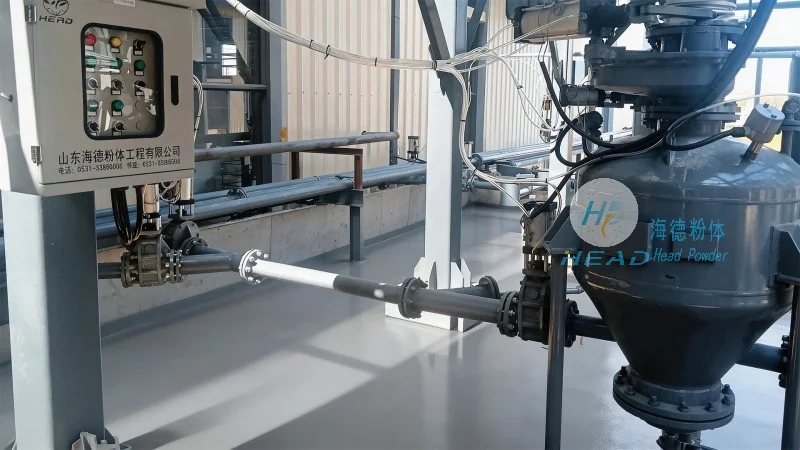
The pneumatic conveying system for resin granules typically consists of several critical components that work in tandem to achieve efficient material transport. These include the hopper or feed hopper, which holds the resin granules and regulates the flow into the system; the air compressor or blower, which generates the necessary air pressure to move the material; the conveying line or pipeline, which transports the granules through the system; and the receiver or discharge hopper, where the material is collected at the destination. Additionally, control valves, filters, and dust collection systems may be integrated to ensure smooth operation and maintain air quality.
Working Principle of Pneumatic Conveying
The core working principle of pneumatic conveying for resin granules involves using compressed air to create a flow that propels the material through the system. When the air compressor operates, it forces air into the conveying line, creating a pressure differential that draws the resin granules from the feed hopper into the air stream. The granules are then carried along the pipeline by the moving air, traveling to the receiver. The velocity of the air and the size of the granules determine the efficiency of the conveying process, with proper air velocity ensuring that the granules are fully entrained and transported without damage.

Operation Process of Resin Granule Pneumatic Conveying
The operation process of a resin granule pneumatic conveying system begins with the loading of the resin granules into the feed hopper. The hopper is designed to maintain a consistent material level, and a feeder mechanism (such as a rotary valve or screw feeder) controls the flow rate of the granules into the system. As the air compressor starts, compressed air is introduced into the conveying line, creating a pressure that pulls the granules from the hopper. The granules are then mixed with the air and transported through the pipeline to the receiver. At the destination, the air is typically filtered and the resin granules are discharged into the receiver hopper. The system may include a venturi or other devices to assist in the initial acceleration of the material, ensuring that the granules are fully entrained and move smoothly through the system.
Benefits of Using Pneumatic Conveying for Resin Granules
Implementing a pneumatic conveying system for resin granules offers several advantages over traditional methods like belt conveyors or manual handling. These benefits include reduced material handling time, improved product quality by minimizing contact with the environment, and enhanced safety by eliminating the need for manual handling of potentially hazardous materials. Additionally, pneumatic conveying systems can be designed to handle a wide range of resin granule sizes and types, making them versatile for various industrial applications. The ability to transport materials over long distances without the need for multiple transfer points also contributes to increased operational efficiency.
Maintenance and Optimization of Pneumatic Conveying Systems
To ensure the long-term performance and reliability of a pneumatic conveying system for resin granules, regular maintenance is essential. This includes checking the air compressor for proper operation, inspecting the conveying line for blockages or leaks, and cleaning the filters and dust collection systems to maintain air quality. Additionally, monitoring the air velocity and pressure in the system can help identify any issues that may affect the conveying efficiency. By performing regular maintenance and making adjustments as needed, users can optimize the system to achieve maximum efficiency and minimize downtime.
About Shandong HeadPowder Engineering Co., Ltd.
Shandong HeadPowder Engineering Co., Ltd., operating under the brand name headpowder, is a leading manufacturer of pneumatic conveying equipment and related solutions for industries handling resin granules and other bulk materials. With a focus on innovation and quality, the company provides customized solutions tailored to the specific needs of its clients. HeadPowder's expertise in material handling technology ensures that their systems are designed to meet the highest standards of performance and reliability. The company's headquarters is located in Shandong, China, where it continues to develop and improve its products to meet the evolving demands of the industry.