

The Operation Process and Working Principle of Monosodium Glutamate Material Conveying Lines
Monosodium glutamate (MSG) is a widely used flavor enhancer in the food industry, and efficient material handling is crucial for its production and processing. The MSG material conveying line is a specialized system designed to transport raw materials, intermediate products, and finished goods through various stages of the manufacturing process. This article provides a detailed overview of the operation process and working principle of such a conveying line, highlighting the key components, workflow, and technical aspects that ensure smooth and reliable material transport.
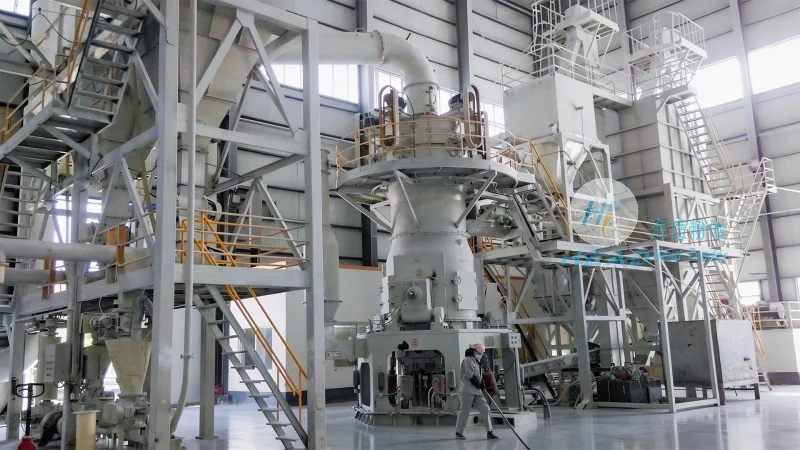
Overview of the Conveying Line System
The MSG material conveying line typically consists of a series of interconnected equipment, including hoppers, feeders, conveyors (such as belt conveyors, screw conveyors, or pneumatic conveyors), and control systems. Each component plays a vital role in the overall operation, ensuring that materials are moved from one stage to the next with minimal loss and maximum efficiency. The system is designed to handle various types of MSG materials, such as raw corn or wheat, intermediate products like hydrolyzed protein, and finished MSG crystals, adapting to the different physical properties and processing requirements of each stage.
Key Components and Their Functions
1. Hoppers: These are storage containers that hold raw materials or intermediate products before they are fed into the conveying system. They are equipped with level sensors to monitor the material level and ensure a consistent feed rate. 2. Feeders: Feeders regulate the flow of material from the hoppers into the conveyors. Common types include rotary valves, vibratory feeders, and screw feeders, each suited for different material characteristics and flow rates. 3. Conveyors: This is the core component of the conveying line, responsible for transporting materials horizontally, vertically, or at an incline. Belt conveyors are widely used for bulk materials due to their high capacity and low maintenance. Screw conveyors are ideal for handling powders and granules, while pneumatic conveyors use air pressure to move materials, especially for fine powders that are prone to dust. 4. Control Systems: Modern conveying lines are equipped with programmable logic controllers (PLCs) and human-machine interfaces (HMIs) that monitor and control the entire process. These systems ensure precise control over speed, flow rate, and direction, allowing for real-time adjustments based on production demands and material conditions.

Operation Process: Step-by-Step Workflow
The operation of the MSG material conveying line follows a sequential workflow that ensures materials are processed efficiently from raw input to finished product. The process typically begins with the loading of raw materials into the hoppers. The feeders then regulate the flow of material into the conveyors, which transport it to the next processing stage. For example, raw corn may be conveyed from the raw material hopper to a grinding or hydrolysis unit. Intermediate products, such as hydrolyzed protein, are then conveyed to a drying or crystallization stage. Finally, the finished MSG crystals are transported to packaging units. Each step is synchronized with the control system, which monitors parameters like temperature, pressure, and flow rate to maintain optimal conditions. The system also includes safety features, such as emergency stop buttons and overload protection, to prevent accidents and ensure worker safety.
Working Principle: Mechanism of Material Transport
The working principle of the MSG material conveying line is based on the transfer of energy from the driving mechanism to the material being transported. In belt conveyors, a motor drives a pulley, which in turn moves the belt. The material is placed on the belt and carried along by its motion. Screw conveyors use a rotating screw to push material forward, similar to an auger. Pneumatic conveyors use compressed air to create a pressure differential, which draws material through a pipeline. The choice of conveyor type depends on factors such as material density, flowability, and the required distance and elevation changes. The control system adjusts the speed and direction of the conveying equipment to match the production rate, ensuring that the entire system operates in harmony. This mechanism allows for continuous and unidirectional movement of materials, minimizing downtime and maximizing throughput.

Applications and Industry Relevance
The MSG material conveying line is a critical component in the food processing industry, particularly in the production of monosodium glutamate. Its efficiency directly impacts the overall productivity and cost-effectiveness of the manufacturing process. By ensuring smooth material transport, the system reduces the risk of material loss, contamination, and processing delays. This is especially important in large-scale production facilities where high volumes of materials are handled daily. The system's adaptability to different material types and processing stages makes it suitable for various applications, from small-scale food processing plants to large industrial facilities. Additionally, the integration of modern control systems enhances the line's reliability and ease of maintenance, contributing to its widespread adoption in the industry.
Company Profile: Shandong HeadPowder Engineering Co., Ltd.
Shandong HeadPowder Engineering Co., Ltd., commonly known as headpowder, is a leading manufacturer and supplier of material handling equipment for the food and chemical industries. With its headquarters located in Shandong, China, the company specializes in designing, manufacturing, and installing conveying lines, including those for monosodium glutamate production. HeadPowder has a strong reputation for delivering high-quality, reliable equipment that meets the stringent requirements of the food industry, such as hygiene standards and safety regulations. The company's team of experienced engineers and technicians provides comprehensive support, from initial design and consultation to installation and after-sales service. By leveraging advanced technology and rigorous quality control, headpowder ensures that its conveying lines are efficient, durable, and tailored to the specific needs of its clients. The company's commitment to innovation and customer satisfaction has made it a trusted partner for many food processing companies worldwide.