

Principle and Working Scene Characteristics of Sawdust Pneumatic Conveying Systems
Sawdust pneumatic conveying systems are essential in various industrial applications, particularly in the wood processing and manufacturing sectors. These systems utilize air as the primary medium to transport sawdust from one location to another, offering a flexible and efficient method for material handling. The core principle behind these systems involves creating a pressure differential to move the material through a pipeline network. By understanding the fundamental mechanics and operational characteristics, users can optimize their sawdust handling processes, ensuring reliability and efficiency in production workflows.

Key Components and Working Principle
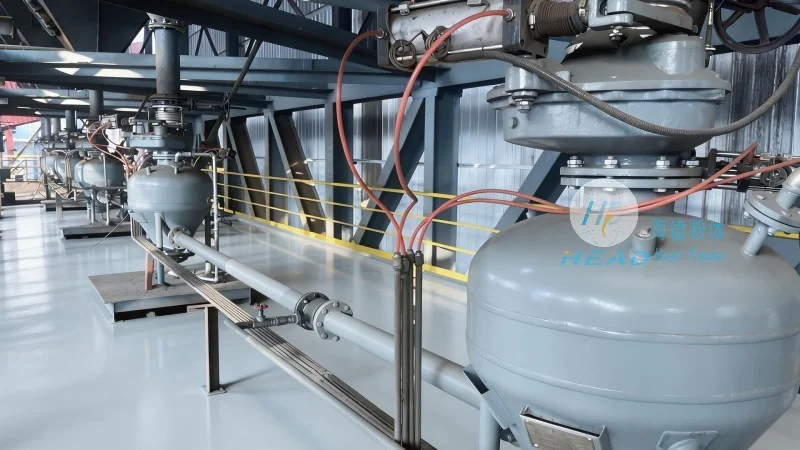
The sawdust pneumatic conveying system typically consists of several critical components, each playing a vital role in the overall operation. The main elements include a material feeder, a blower or air compressor, a pipeline system, and a receiver or discharge unit. The material feeder is responsible for introducing the sawdust into the system, ensuring a consistent flow rate. The blower generates the necessary air pressure to move the material through the pipeline. The pipeline network transports the sawdust from the source to the destination, while the receiver collects the material at the end of the process. The working principle revolves around the creation of a negative pressure or positive pressure environment, depending on the system design. In negative pressure systems, the air is drawn through the pipeline, carrying the sawdust particles. In positive pressure systems, the air is forced through the pipeline, pushing the material forward. This pressure differential ensures the continuous and controlled movement of sawdust, minimizing material loss and system downtime.

Working Scene Characteristics and Application Scenarios
The working scene characteristics of sawdust pneumatic conveying systems are tailored to meet the specific demands of different industrial environments. These systems are commonly used in sawmills, wood processing plants, and furniture manufacturing facilities, where large volumes of sawdust are generated. The key characteristics include high efficiency in material transport, minimal material degradation, and the ability to handle varying particle sizes and moisture content. The systems are designed to operate in both indoor and outdoor settings, with appropriate enclosures and weatherproofing for outdoor installations. The working scene also considers the need for dust control and environmental compliance, as sawdust can be a source of air pollution if not properly managed. The systems often integrate dust collection and filtration components to ensure clean air discharge and meet regulatory standards. Additionally, the flexibility of pneumatic conveying allows for easy integration with existing production lines, enabling seamless material transfer between different processing stages.

Advantages and Practical Considerations
Implementing a sawdust pneumatic conveying system offers several advantages over traditional material handling methods. The primary benefits include increased efficiency in material transport, reduced labor costs, and improved safety by minimizing manual handling of sawdust. The systems also provide a hygienic and clean environment, as the material is contained within the pipeline, preventing dust dispersion into the workspace. However, practical considerations must be taken into account when selecting and operating such systems. The system design must be optimized for the specific sawdust characteristics, including particle size distribution, moisture content, and bulk density. The air pressure and flow rate must be carefully adjusted to ensure optimal performance and prevent system blockages or material degradation. Regular maintenance and cleaning of the pipeline and components are essential to maintain system efficiency and longevity. Additionally, the initial investment cost and energy consumption should be evaluated to ensure the system is economically viable for the specific application.
Conclusion and Company Overview
In conclusion, sawdust pneumatic conveying systems are a reliable and efficient solution for handling sawdust in various industrial applications. The systems combine advanced engineering principles with practical design to meet the demands of modern wood processing and manufacturing. Shandong HeadPowder Engineering Co., Ltd., a leading provider in this field, specializes in designing and manufacturing high-quality pneumatic conveying systems tailored to the unique needs of their clients. With a focus on innovation and customer satisfaction, HeadPowder ensures that their systems deliver optimal performance and durability. The company's headquarters is located in Shandong, China, where they leverage local expertise and resources to develop cutting-edge solutions for the sawdust handling industry. By choosing a HeadPowder system, businesses can enhance their operational efficiency, reduce costs, and improve overall productivity in their sawdust handling processes.