

What is Melamine Powder Pneumatic Conveying Equipment? And What Are Its Design Principles?
For industrial applications involving the handling of melamine powder, the selection of an appropriate conveying system is crucial for efficiency, safety, and product integrity. This article explores the concept of melamine powder pneumatic conveying equipment, detailing its design principles and operational considerations.

Introduction to Melamine Powder Pneumatic Conveying Equipment
Melamine powder, a key chemical used in various industries such as construction, textiles, and plastics, requires specialized handling due to its fine particle size and potential for dust generation. Pneumatic conveying systems offer a solution by transporting the powder through a pipeline using air or other gases, eliminating the need for mechanical components like belts or buckets that could cause contamination or damage to the material.
HeadPowder Engineering: A Leading Provider of Pneumatic Conveying Solutions
Shandong HeadPowder Engineering Co., Ltd., a reputable company based in China, specializes in the design, manufacturing, and installation of pneumatic conveying systems tailored to the unique needs of melamine powder processing. With years of experience in the field, HeadPowder Engineering has developed a range of equipment that ensures reliable and efficient material transport while maintaining compliance with industry standards.
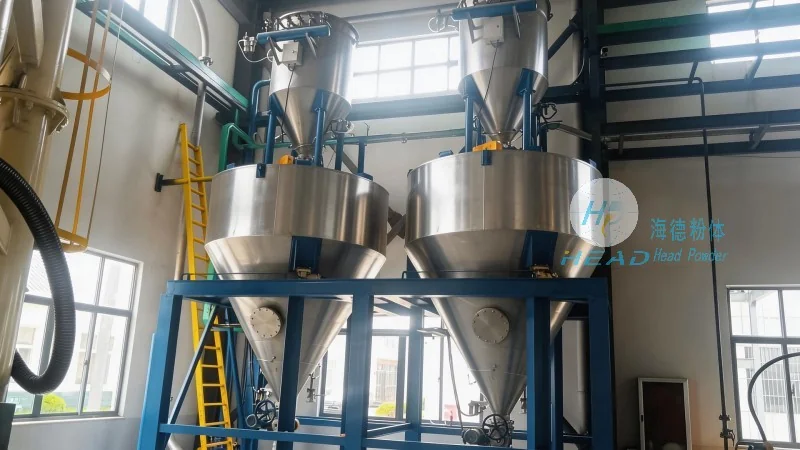
Design Principles of Melamine Powder Pneumatic Conveying Systems
The design of a melamine powder pneumatic conveying system involves several critical components and principles to ensure optimal performance. Key elements include the air compressor, which generates the necessary pressure to move the powder, the hopper or feed system that introduces the material into the pipeline, and the pipeline itself, which must be constructed from materials resistant to the chemical properties of melamine.
One of the primary design considerations is the air-to-material ratio, which determines the velocity of the conveying air and the efficiency of the system. A higher air-to-material ratio typically results in faster transport but may increase energy consumption. Conversely, a lower ratio may reduce energy use but could lead to blockages or reduced throughput. Engineers at HeadPowder Engineering carefully calculate this ratio based on the specific characteristics of the melamine powder, such as particle size, density, and moisture content.

Key Components and Their Functions
The pneumatic conveying system for melamine powder typically consists of the following components:
- Air Compressor: Provides the pressure and volume of air required to transport the powder. It must be capable of maintaining consistent pressure to avoid fluctuations that could affect system performance.
- Hopper and Feed System: The hopper stores the melamine powder and feeds it into the conveying line. It is designed to prevent material bridging or caking, which can impede flow. The feed system may include a rotary valve or a screw feeder to control the flow rate.
- Pipeline: Made from materials like stainless steel or polyethylene, the pipeline is chosen for its resistance to corrosion and chemical interaction with melamine. The pipeline diameter and length are optimized to minimize pressure drop and ensure smooth material transport.
- Receiver: The end of the pipeline where the melamine powder is deposited. It is equipped with a dust collection system to capture any particles that may escape during the conveying process, ensuring environmental compliance and product purity.
Advantages of Pneumatic Conveying for Melamine Powder
Compared to traditional mechanical conveying methods, pneumatic conveying offers several advantages for melamine powder:

- Reduced Contamination: Since there are no mechanical parts in direct contact with the powder, the risk of cross-contamination is minimized, preserving the purity of the melamine.
- Improved Safety: The enclosed system prevents dust from dispersing into the air, reducing the risk of respiratory hazards and fire hazards associated with fine powders.
- Enhanced Efficiency: Pneumatic systems can transport melamine powder over longer distances and at higher speeds, improving overall production throughput.
- Space Efficiency: The compact design of the system requires less floor space compared to traditional conveying methods, making it suitable for facilities with limited space.
Operational Considerations and Maintenance
Proper operation and maintenance of the melamine powder pneumatic conveying system are essential for long-term performance and reliability. Regular maintenance includes checking the air compressor for wear and tear, cleaning the hopper and pipeline to prevent clogging, and inspecting the dust collection system for efficiency. Additionally, monitoring the system's pressure and flow rates helps identify any issues early, preventing downtime and ensuring consistent performance.
Conclusion
Melamine powder pneumatic conveying equipment, designed with precision and expertise by companies like Shandong HeadPowder Engineering Co., Ltd., offers a reliable and efficient solution for handling melamine powder in industrial applications. By adhering to the design principles and operational guidelines outlined above, industries can ensure safe, clean, and efficient transport of melamine powder, meeting the demands of modern manufacturing processes.