

What is Textile Fiber Pneumatic Conveying Equipment? What are the Design Principles?
Textile fiber pneumatic conveying equipment is a specialized system designed to transport loose or bulk textile fibers through a pipeline using air pressure. This technology is widely used in the textile industry to move materials such as cotton, polyester, rayon, and other synthetic fibers from storage to processing units efficiently and safely. The core of this equipment lies in its ability to handle delicate and fine fibers without causing damage, which is crucial for maintaining the quality of the final textile products.

Understanding Textile Fiber Pneumatic Conveying Systems
At its essence, a textile fiber pneumatic conveying system consists of several key components that work in tandem to ensure smooth material transport. These components typically include a material hopper or feeder, a conveying pipeline, a blower or air compressor to generate the necessary air flow, and a collection or processing unit at the destination. The system operates by feeding the textile fibers into the hopper, where they are then drawn into the pipeline by the moving air stream. The air pressure and velocity are carefully controlled to prevent fiber breakage and ensure consistent flow rates.
Key Design Principles of Pneumatic Conveying Equipment
The design of textile fiber pneumatic conveying equipment follows several fundamental principles to optimize performance and efficiency. One of the primary principles is the selection of appropriate air velocity and pressure to match the characteristics of the fiber being conveyed. For example, fine fibers like cotton require lower air velocities to avoid excessive abrasion and loss of material, while coarser fibers may tolerate higher velocities. The system's design also considers the material's density and flowability, as these factors influence the required air volume and pressure to maintain a stable flow.
Another critical design principle is the prevention of fiber buildup and blockages within the pipeline. This is achieved through the use of appropriate pipeline diameters, bends, and fittings that minimize friction and resistance. Additionally, the inclusion of cleaning mechanisms, such as reverse air flow or mechanical sweepers, helps maintain the system's efficiency over time. The design also prioritizes energy efficiency by optimizing the blower or compressor capacity to match the actual conveying requirements, reducing unnecessary energy consumption.
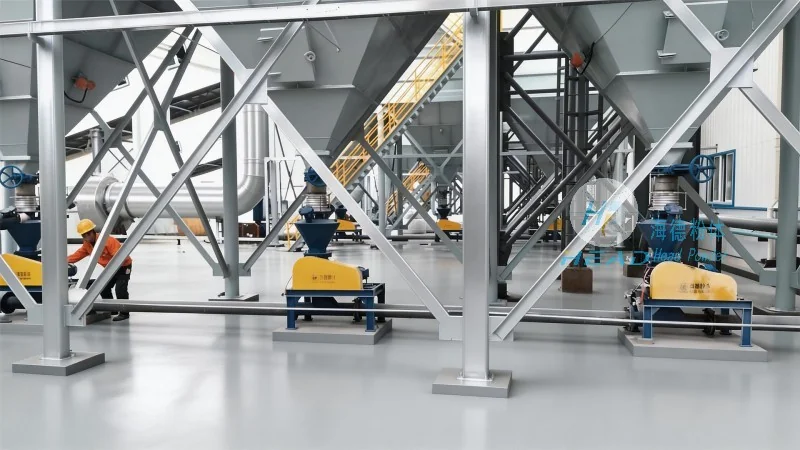
Components and Their Functions in Pneumatic Conveying Systems
The main components of a textile fiber pneumatic conveying system and their specific functions are essential to understand for effective operation. The material hopper or feeder is responsible for storing and feeding the textile fibers into the system. It is typically equipped with a discharge valve that controls the flow rate of the material. The conveying pipeline, usually made of stainless steel or other corrosion-resistant materials, transports the fibers from the hopper to the destination unit. The blower or air compressor generates the air pressure needed to move the fibers through the pipeline, with adjustable speed settings to control the flow rate.
The collection or processing unit at the end of the pipeline receives the conveyed fibers. This unit may include a filter or separator to remove any air particles or debris from the fiber stream, ensuring the material is clean and free of contaminants. In some systems, the collection unit is integrated with a processing machine, such as a carding or spinning unit, allowing for seamless material transfer from the conveying system to the next stage of production. The design of each component is tailored to the specific needs of the textile fiber being handled, ensuring optimal performance and minimal downtime.
Advantages of Using Pneumatic Conveying for Textile Fibers
Textile fiber pneumatic conveying equipment offers several advantages over traditional mechanical conveying methods. One of the most significant benefits is the ability to handle delicate and fine fibers without causing damage, which is vital for maintaining the quality of the final textile products. Unlike mechanical systems that rely on belts or rollers, pneumatic conveying uses air to move the material, reducing the risk of fiber breakage and contamination. Additionally, the system is highly flexible, allowing for the conveyance of fibers over long distances and through complex layouts without the need for extensive infrastructure modifications.

Another advantage is the improved safety and hygiene in the workplace. Pneumatic conveying systems are enclosed, preventing dust and fiber particles from being released into the air, which reduces the risk of respiratory issues and contamination of the working environment. This is particularly important in textile manufacturing, where fiber dust can be a health hazard. The system also minimizes the need for manual handling of bulk materials, reducing the risk of workplace injuries and improving overall operational safety.
Furthermore, pneumatic conveying systems are generally more energy-efficient and cost-effective in the long run compared to mechanical systems. By optimizing air flow and pressure, the system reduces energy consumption and lowers operational costs. The lack of moving parts in the pipeline, such as belts or rollers, also reduces maintenance requirements and extends the lifespan of the equipment. These advantages make pneumatic conveying an attractive option for textile manufacturers looking to improve efficiency and maintain product quality.

Applications in the Textile Industry
Textile fiber pneumatic conveying equipment is widely used in various stages of textile production, from raw material handling to finished product processing. In the raw material stage, the system is used to transport cotton from bales or polyester from pellets to storage silos or processing units. This allows for efficient and dust-free handling of bulk materials, ensuring that the fibers are kept in optimal condition before processing. During the intermediate stages, such as carding or spinning, the conveying system may be used to move fibers from one machine to another, facilitating seamless production flow.
In the finishing stages, pneumatic conveying can be used to transport dyed or treated fibers to drying or packaging units. The system's ability to handle fibers with different properties, such as moisture content or surface treatments, makes it versatile for various finishing processes. Additionally, the system can be integrated with quality control equipment, allowing for real-time monitoring of the fiber flow and ensuring that only high-quality fibers proceed to the next stage of production.
Overall, textile fiber pneumatic conveying equipment plays a crucial role in modern textile manufacturing by providing an efficient, safe, and reliable method for material transport. By adhering to the design principles and utilizing the appropriate components, manufacturers can optimize their production processes, reduce costs, and maintain the quality of their textile products. The technology continues to evolve, with advancements in air flow control and material handling capabilities, further enhancing its effectiveness in the textile industry.