

What is Coal and Coke Pneumatic Conveying? What Are the Design Principles?
Coal and coke pneumatic conveying is a critical industrial process used to transport bulk materials like coal and coke through a pipeline system using air or other gas as the conveying medium. This method offers a highly efficient and flexible solution for material handling in various industrial applications, including power generation, steel production, and chemical processing. The technology has evolved significantly over the years, with modern designs incorporating advanced engineering principles to ensure reliability, efficiency, and safety.


Introduction to Coal and Coke Pneumatic Conveying Systems
At Shandong HeadPowder Engineering Co., Ltd., we specialize in the design, manufacturing, and installation of advanced pneumatic conveying systems tailored to the unique needs of coal and coke handling operations. Our expertise lies in understanding the physical properties of these materials and translating them into effective conveying solutions. The core of our approach is to develop systems that not only meet the operational requirements but also enhance overall productivity and reduce maintenance costs. We serve clients across various industries, providing customized solutions that address specific challenges such as material variability, distance requirements, and environmental constraints.

Key Components of Coal and Coke Pneumatic Conveying Systems
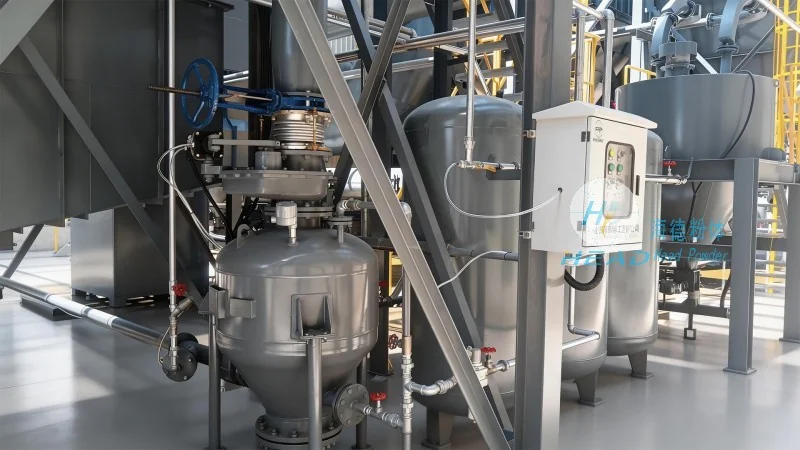
A typical coal and coke pneumatic conveying system consists of several essential components that work in tandem to ensure smooth material transport. These include the material feed hopper, which stores and feeds the bulk material into the system; the conveying pipeline, which transports the material and air mixture; the air source, such as a blower or compressor, which provides the necessary pressure and flow; the control system, which regulates the operation and ensures optimal performance; and the discharge equipment, such as a rotary airlock or valve, which controls the release of material from the system. Each component plays a vital role in maintaining the integrity of the material and the efficiency of the conveying process. The material feed hopper is designed to handle the bulk material's characteristics, such as its bulk density and flowability, to ensure consistent feeding. The conveying pipeline is constructed from durable materials like stainless steel or carbon steel, with appropriate diameters to minimize pressure drop and maintain air velocity. The air source is selected based on the system's required air flow rate and pressure, with options including positive displacement blowers, centrifugal compressors, or vacuum pumps. The control system integrates sensors and controls to monitor parameters like pressure, flow rate, and material level, allowing for real-time adjustments to optimize performance. The discharge equipment is critical for preventing material backflow and ensuring a controlled release of material to the next process step.
Design Principles for Efficient Coal and Coke Pneumatic Conveying
The design of a coal and coke pneumatic conveying system is governed by several key principles that ensure optimal performance and reliability. These principles include the selection of appropriate air velocity and pressure to prevent material settling or blockages, the use of suitable pipeline diameters and materials to minimize friction and wear, and the incorporation of proper cleaning mechanisms to prevent material buildup and maintain system efficiency. Specifically, the air velocity must be high enough to keep the material particles suspended but low enough to avoid excessive wear on the pipeline and components. The pressure level is determined by the system's layout, including the vertical and horizontal distances the material needs to travel, as well as the number of bends and fittings in the pipeline. Additionally, the material's particle size, density, and moisture content are critical factors that influence the design, as they affect the required air flow rate and pressure. For example, finer particles may require higher air velocities to remain suspended, while larger or denser particles may need higher pressure to overcome gravity and friction. The selection of pipeline materials, such as stainless steel or carbon steel, is also important, as it must withstand the corrosive effects of the material and the abrasive action of the particles over time. Proper cleaning mechanisms, such as pulse jets or rotary airlocks, are essential to prevent material accumulation in the pipeline, which can lead to blockages and system downtime. These mechanisms are typically integrated into the system design to ensure regular and effective cleaning, maintaining the system's efficiency and longevity.