

Design of a Negative Pressure Pneumatic Conveying Device for Resin Granules
The design of a negative pressure pneumatic conveying device for resin granules represents a sophisticated solution tailored to the unique challenges of handling fine, abrasive, or hygroscopic materials. This system is engineered to efficiently transport resin granules from storage silos or processing units to downstream equipment, such as mixers, extruders, or packaging systems, while maintaining product integrity and minimizing contamination risks. The negative pressure approach, as opposed to positive pressure systems, offers distinct advantages in terms of energy efficiency, reduced material degradation, and enhanced safety by containing dust and particles within the sealed system.

Key Design Considerations for Resin Granule Handling
When designing a pneumatic conveying system for resin granules, several critical factors must be addressed to ensure optimal performance and reliability. First, the particle size, density, and flow characteristics of the resin granules are paramount. Resin granules typically range from 0.5 to 5 millimeters in diameter and have a specific gravity ranging from 1.0 to 1.2, which influences the selection of air velocity, duct diameter, and pressure drop. The system must be designed to maintain a consistent air-to-solid ratio (typically 0.5 to 1.0) to prevent blockages and ensure smooth material flow. Additionally, the material's abrasiveness and potential for static charge must be considered, as these can affect the wear of components and the need for anti-static measures. The negative pressure system is particularly suitable for resin granules due to its ability to draw material from a source without creating high-pressure zones that could cause degradation or particle breakage.

Components and Functional Architecture of the Conveying Device
The negative pressure pneumatic conveying device for resin granules consists of several integrated components, each playing a crucial role in the overall operation. The primary components include a vacuum source (often a rotary vane or liquid ring vacuum pump), a material feed hopper with a rotary valve or screw feeder, a conveying duct system with appropriate diameter and length, and a receiving hopper or discharge valve at the destination. The vacuum source generates the negative pressure required to draw air and resin granules from the source to the destination. The feed hopper ensures a continuous supply of resin granules, while the rotary valve or screw feeder controls the flow rate and prevents backflow. The conveying duct is typically made of stainless steel or other corrosion-resistant materials to withstand the chemical properties of resin granules and to maintain hygiene standards. The duct diameter is selected based on the air velocity and material flow rate, with common diameters ranging from 50 to 200 millimeters. The system may also include a filter or cyclone separator at the receiving end to remove any fine particles or dust from the air stream, ensuring that the delivered resin granules are clean and free of contaminants.

Advantages of the Negative Pressure System for Resin Granule Transport
Compared to positive pressure pneumatic conveying systems, the negative pressure approach offers several key advantages when handling resin granules. Firstly, energy efficiency is enhanced as the system operates at lower pressures, reducing the power consumption of the vacuum pump. Secondly, the risk of material degradation is minimized because the air velocity is controlled to avoid excessive particle impact or abrasion. This is particularly important for resin granules, which can be sensitive to high shear forces or temperature changes. Thirdly, the negative pressure system provides better containment of dust and particles, as the sealed ducts prevent emissions into the environment. This not only improves workplace safety but also complies with environmental regulations. Additionally, the system is more flexible in terms of layout, as it can draw material from multiple sources and deliver it to various destinations without the need for complex piping networks. The negative pressure design also allows for easier integration with existing processing lines, as the vacuum source can be placed at a central location and connected to multiple conveying lines.
Application Scenarios and Operational Performance
The negative pressure pneumatic conveying device for resin granules is widely used in various industrial applications, including the plastics manufacturing industry, where resin granules are transported from storage to processing equipment. In the plastics industry, this system is commonly employed to convey polyethylene, polypropylene, polystyrene, and other resin types. The system's ability to handle different resin types with minimal modification makes it a versatile solution for manufacturers. Operational performance is typically evaluated based on factors such as conveying capacity, pressure drop, and material recovery rate. The conveying capacity of the system can range from 0.5 to 10 tons per hour, depending on the system size and the characteristics of the resin granules. The pressure drop across the system is kept low to minimize energy consumption, with typical values ranging from 0.5 to 2.0 kPa per meter of duct length. The material recovery rate, which indicates the percentage of resin granules successfully delivered to the destination, is usually high, exceeding 99% in most cases. The system's reliability is further enhanced by the use of durable components, such as stainless steel ducts and wear-resistant rotary valves, which are designed to withstand the abrasive nature of resin granules.
Company Background and Engineering Expertise
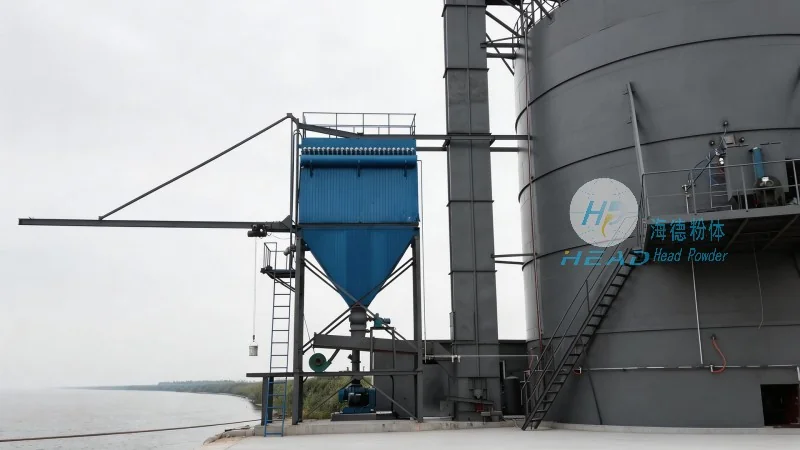
Shandong HeadPowder Engineering Co., Ltd., commonly known as headpowder, is a leading provider of pneumatic conveying solutions tailored to the specific needs of the powder and granule handling industry. With a strong focus on research and development, the company has developed advanced designs for negative pressure pneumatic conveying systems, including those for resin granules. The company's engineering team has extensive experience in material handling, fluid dynamics, and mechanical design, enabling them to create customized solutions that meet the unique requirements of each client. Headpowder's commitment to quality and innovation has resulted in a reputation for reliable and efficient conveying systems that enhance productivity and reduce operational costs for its customers. The company's headquarters is located in Shandong, China, where it maintains state-of-the-art manufacturing facilities and technical support centers. Headpowder's team of engineers and technicians work closely with clients to understand their specific challenges and develop tailored solutions that optimize material flow, minimize downtime, and ensure compliance with industry standards.