

Operation Process and Working Principle of Waste Material Pneumatic Conveying Equipment
Waste material pneumatic conveying equipment, as a key component in modern waste management and material handling, plays a crucial role in efficiently transporting bulk materials. This article will delve into the operation process and working principle of such systems, providing a comprehensive understanding of how they function to meet the demands of waste processing and industrial applications.

Key Components of Waste Material Pneumatic Conveying Equipment
Before exploring the operation process, it is essential to understand the core components that make up a typical pneumatic conveying system. These components include the hopper for material storage, the conveyor pipeline, the air supply system (such as a blower or compressor), and the control system. Each component works in tandem to ensure smooth material transport. The company, Shandong HeadPowder Engineering Co., Ltd., specializes in designing and manufacturing high-efficiency pneumatic conveying solutions tailored to the unique needs of waste material handling.
The Working Principle of Pneumatic Conveying
The fundamental principle behind pneumatic conveying is the use of air flow to move materials through a pipeline. In a positive pressure system, air is forced into the pipeline, creating a pressure higher than the ambient air, which propels the material forward. Conversely, a negative pressure system (or vacuum system) uses a vacuum to draw material into the pipeline. For waste materials, which often vary in size and moisture content, the choice between positive and negative pressure systems depends on the specific characteristics of the waste and the required transport distance. The equipment from HeadPowder is engineered to handle diverse waste types, ensuring reliable and efficient transport.
Operation Process of Waste Material Pneumatic Conveying
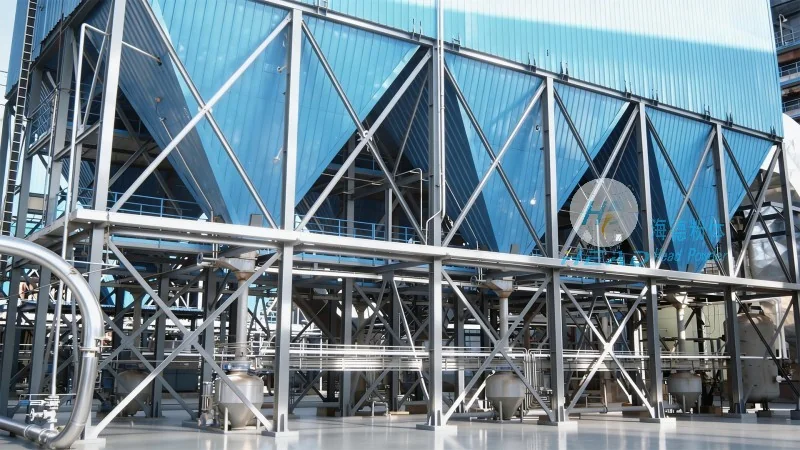
The operation process of a waste material pneumatic conveying system typically involves several sequential steps. First, the waste material is fed into the hopper from the source, such as a waste collection truck or a storage silo. The material then falls into the conveyor pipeline under the influence of the air flow. The air supply system generates the necessary pressure or vacuum to move the material through the pipeline. As the material travels, it may encounter bends, expansions, or other components that help direct its path. At the discharge end, the material is deposited into the receiving container or processing unit. The control system monitors the entire process, adjusting air pressure or flow rate as needed to maintain optimal performance. The company’s systems are designed with advanced control features to ensure consistent and reliable operation, minimizing downtime and maximizing efficiency.

Advantages of Using Pneumatic Conveying for Waste Materials
Compared to traditional mechanical conveying methods, pneumatic conveying offers several advantages for handling waste materials. It eliminates the need for mechanical components like belts or buckets, reducing maintenance costs and the risk of mechanical failure. The system is also highly flexible, allowing for changes in the transport route without major modifications. Additionally, pneumatic conveying can handle materials with high moisture content or abrasive properties, which may damage traditional conveyors. The equipment from Shandong HeadPowder Engineering Co., Ltd. is built with durable materials and advanced technology to withstand the harsh conditions of waste processing, ensuring long-term reliability and low operational costs.
Applications and Customization
Waste material pneumatic conveying equipment is widely used in various applications, including landfill waste transport, recycling plant material handling, and waste-to-energy facilities. The systems can be customized to accommodate different waste types, such as municipal solid waste, industrial waste, or agricultural waste. The company provides tailored solutions based on the specific requirements of each client, ensuring that the equipment meets the unique challenges of their waste management processes. Whether for short-distance transport within a facility or long-distance transport between locations, the pneumatic conveying systems from HeadPowder are designed to deliver efficient and reliable performance.