

Introduction to Dry Material Pneumatic Conveying: Structure and Principle Explanation
HeadPowder, a leading provider of industrial conveying solutions, specializes in the design, manufacturing, and installation of dry material pneumatic conveying systems. This article provides an overview of the technology, its structural components, and the underlying principles that enable efficient material transport in various industrial applications.

Dry material pneumatic conveying is a method of transporting bulk materials such as powders, granules, and fine particles using a stream of air or other gas. Unlike traditional mechanical conveying systems, which rely on belts, screws, or buckets, pneumatic systems utilize air pressure to move materials through a pipeline network. This approach offers several advantages, including the ability to handle materials that are difficult to transport mechanically, reduced risk of contamination, and enhanced safety in hazardous environments.
The core components of a dry material pneumatic conveying system typically include a material feeder, a conveying line (pipeline), a gas source (usually a blower or compressor), and a control system. The material feeder is responsible for introducing the dry material into the system, ensuring a consistent and controlled flow. Common feeder types include rotary valves, star feeders, and screw feeders, each designed to handle specific material characteristics and flow rates.

The conveying line, often made of stainless steel or other corrosion-resistant materials, is the primary pathway for the material and air mixture. The design of the pipeline, including bends, elbows, and expansion joints, is critical to maintaining system efficiency and preventing material buildup or blockages. Proper sizing of the pipeline diameter and the air velocity within the line are essential to ensure that the material is suspended and transported effectively without excessive pressure loss.
The gas source, typically a positive displacement blower or a centrifugal fan, generates the necessary air pressure to move the material. The blower's capacity and pressure rating are matched to the system's requirements, considering factors such as material density, particle size, and the length and complexity of the conveying line. The control system, which may include sensors, valves, and a programmable logic controller (PLC), monitors and regulates the flow of material and air, ensuring optimal performance and preventing system overloads or inefficiencies.
One of the key principles of dry material pneumatic conveying is the concept of "fluidization." As air is introduced into the conveying line, it creates a turbulent flow that suspends the dry material particles, allowing them to be carried along with the air stream. The velocity of the air must be sufficient to overcome the gravitational force acting on the particles and to maintain their suspension throughout the conveying process. This principle is fundamental to the operation of both pressure and vacuum pneumatic conveying systems.
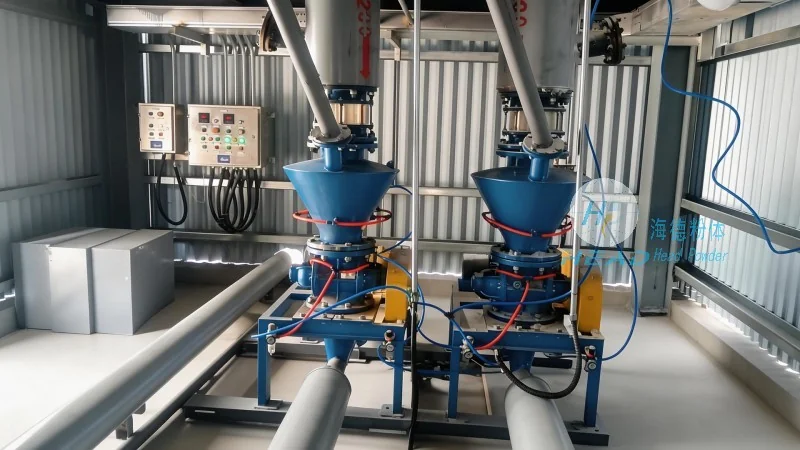
Pressure pneumatic conveying systems operate by injecting air or gas under pressure into the material at the feeder end of the pipeline. The high-pressure air creates a positive pressure within the line, pushing the material forward. This method is well-suited for short to medium-distance conveying and is commonly used in applications such as food processing, pharmaceuticals, and chemical manufacturing. The system typically includes a pressure vessel or hopper at the discharge end to collect the material as it is released from the line.
Vacuum pneumatic conveying systems, on the other hand, use a vacuum pump to create a negative pressure within the pipeline, drawing the material from the source location. The vacuum is maintained throughout the conveying line, and the material is transported by the suction force generated by the pump. This approach is ideal for long-distance or high-rise applications, as well as for handling materials that are sensitive to pressure changes or contamination. Vacuum systems often include a collection hopper or bin at the receiving end to store the material after it has been conveyed.
The structural design of dry material pneumatic conveying systems must also consider factors such as material compatibility, environmental conditions, and maintenance requirements. Stainless steel is a popular choice for the pipeline and components due to its corrosion resistance and ability to handle a wide range of materials, including food-grade and pharmaceutical-grade products. The system's components are typically designed for easy access and maintenance, with features such as quick-release fittings and removable sections that allow for cleaning and inspection without extensive disassembly.

HeadPowder's expertise in dry material pneumatic conveying lies in its ability to customize systems to meet the specific needs of each client. By working closely with customers to understand their material characteristics, conveying requirements, and operational constraints, the company designs and manufactures systems that are both efficient and reliable. Whether for a small-scale application or a large industrial facility, HeadPowder provides comprehensive solutions that enhance productivity, reduce downtime, and improve overall operational performance.
In conclusion, dry material pneumatic conveying is a versatile and efficient technology that plays a critical role in modern industrial operations. The combination of structural components and underlying principles enables the safe and effective transport of dry materials across various industries. With its commitment to quality and innovation, Shandong HeadPowder Engineering Co., Ltd. continues to be a trusted partner for businesses seeking reliable conveying solutions.