

What Are Automatic Loading and Unloading Pneumatic Conveying Equipment? And What Are Their Design Pr
Automatic loading and unloading pneumatic conveying equipment represents a sophisticated solution for material handling in various industrial applications. This technology is designed to efficiently transport bulk materials from one location to another using air as the primary conveying medium. The equipment typically integrates mechanisms for both loading materials into a system and unloading them at the destination, making it a versatile tool for industries such as food processing, pharmaceuticals, chemicals, and more.

Understanding the Core Functionality of Pneumatic Conveying Systems
Pneumatic conveying systems operate by creating a pressure differential or using vacuum to move materials through a pipeline. The automatic loading and unloading aspects of these systems enhance operational efficiency by reducing manual intervention and ensuring consistent material flow. The loading process often involves a hopper or feeder that feeds material into the conveying line, while the unloading mechanism may include a receiver or discharge valve that releases the material at the desired location. This seamless integration of loading and unloading capabilities makes the equipment ideal for applications where material transfer needs to be both rapid and controlled.
The Design Principles Behind Pneumatic Conveying Equipment
The design of automatic loading and unloading pneumatic conveying equipment is based on several key principles to ensure optimal performance and reliability. One of the primary design considerations is the selection of the appropriate conveying method, which can be categorized as pressure or vacuum systems. Pressure systems use compressed air to push material through the pipeline, while vacuum systems use a vacuum to draw material in. The choice between these methods depends on factors such as material characteristics, distance, and system layout. Additionally, the equipment must be designed to handle the specific properties of the material being conveyed, including particle size, density, and moisture content. This involves selecting suitable components like hoppers, feeders, and receivers that can accommodate the material's behavior during transport.

Key Components and Their Roles in the System
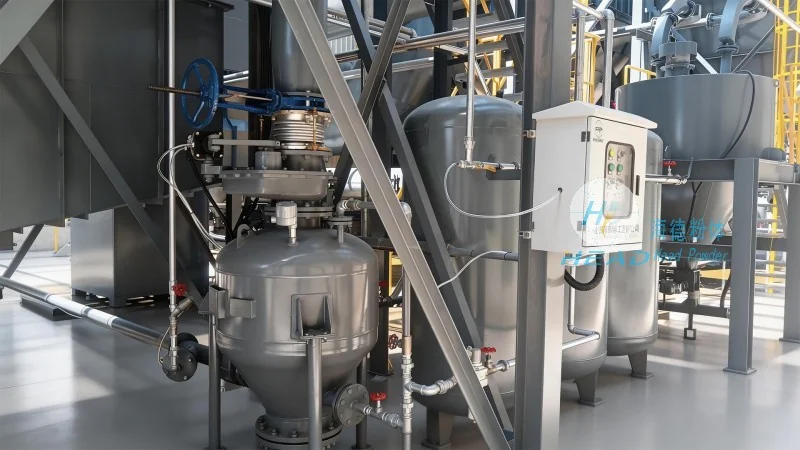
Automatic loading and unloading pneumatic conveying equipment consists of several critical components that work in tandem to achieve efficient material transfer. The primary components include the material hopper or feeder, which serves as the loading point, and the conveying pipeline that transports the material. At the receiving end, a receiver or discharge unit is used for unloading. Other essential components may include a blower or compressor to generate the necessary air pressure, a filter to remove dust and particles from the air, and a control system to regulate the operation of the entire process. Each component is carefully designed to ensure durability, efficiency, and safety, contributing to the overall performance of the pneumatic conveying system.
Applications and Benefits in Industrial Settings
The versatility of automatic loading and unloading pneumatic conveying equipment makes it suitable for a wide range of industrial applications. In the food industry, for example, it can be used to transport powders and granules while maintaining sanitary conditions. In pharmaceutical manufacturing, the equipment ensures that materials are handled in a clean and controlled environment, minimizing contamination risks. Similarly, in chemical processing, it facilitates the transfer of various powders and solids without the need for manual handling, which can be hazardous. The benefits of using such equipment include increased productivity, reduced labor costs, improved safety, and enhanced product quality due to consistent material handling.

Customization and Integration with Existing Systems
Shandong HeadPowder Engineering Co., Ltd. specializes in designing and manufacturing customized pneumatic conveying solutions tailored to the specific needs of clients. The company, often referred to as HeadPowder, leverages years of experience in the industry to develop equipment that meets the unique requirements of each application. Customization may involve adjusting the system's capacity, modifying the conveying method, or integrating additional features such as dust collection or material analysis. The equipment is designed to be compatible with existing industrial setups, allowing for seamless integration without disrupting current operations. This approach ensures that clients can achieve optimal performance while maintaining their operational efficiency and safety standards.
Quality Assurance and Technical Support
HeadPowder places a strong emphasis on quality assurance throughout the design, manufacturing, and installation of its pneumatic conveying equipment. The company adheres to strict quality control measures to ensure that each component meets the highest standards of performance and durability. Additionally, HeadPowder provides comprehensive technical support to clients, including installation guidance, maintenance advice, and troubleshooting assistance. This commitment to quality and customer service helps clients maximize the lifespan and efficiency of their equipment, ensuring long-term satisfaction and operational success.
Conclusion: The Advantages of Automatic Loading and Unloading Pneumatic Conveying Equipment
Automatic loading and unloading pneumatic conveying equipment offers significant advantages in material handling, combining efficiency, reliability, and versatility. By leveraging air as the conveying medium and integrating advanced design principles, these systems provide a solution for industries seeking to optimize their material transfer processes. With the expertise of companies like Shandong HeadPowder Engineering Co., Ltd., clients can access customized and high-quality equipment that meets their specific needs, enhancing productivity and safety in their operations. As industrial demands continue to evolve, the importance of efficient material handling solutions like pneumatic conveying equipment remains paramount, making it a critical component in modern industrial operations.