

Operation Process and Working Principle of a Polyethylene Styrene Material Pneumatic Conveying Line
Shandong HeadPowder Engineering Co., Ltd., a leading provider of industrial material handling solutions, specializes in the design, manufacturing, and installation of advanced pneumatic conveying systems. HeadPowder, with its headquarters located in Shandong, China, has established itself as a trusted partner for businesses seeking efficient and reliable methods to transport polyethylene styrene materials. This article delves into the operation process and working principle of a polyethylene styrene material pneumatic conveying line, highlighting the key aspects that make such systems effective for various industrial applications.
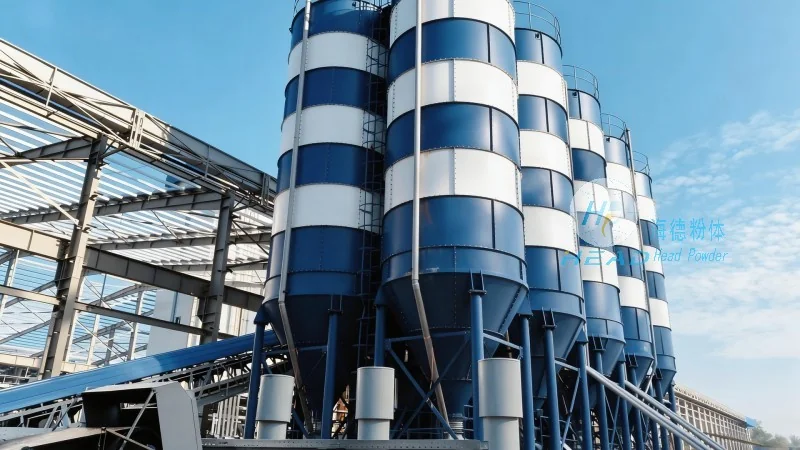
Overview of Pneumatic Conveying Technology for Polyethylene Styrene Materials
Pneumatic conveying systems are widely used in the chemical, plastic, and food industries to transport bulk materials like polyethylene styrene over short to medium distances. These systems utilize air or other gases to move materials through a network of pipes, eliminating the need for mechanical components such as belts or buckets. The primary advantage of pneumatic conveying is its ability to handle materials that are difficult to transport using traditional methods, such as those with high moisture content, abrasive properties, or fine particle sizes. For polyethylene styrene, which is often used in manufacturing processes like molding and extrusion, a well-designed pneumatic conveying line ensures consistent material flow, reduces downtime, and enhances overall production efficiency.
Key Components of the Polyethylene Styrene Material Pneumatic Conveying Line
The effectiveness of a pneumatic conveying line depends on its well-designed components, each playing a critical role in the material transport process. The main components typically include a material hopper, a feeder system, a conveying line (with or without bends), a dust collector or filter system, and a discharge outlet. The material hopper is where polyethylene styrene is stored before being fed into the system. It is equipped with a level indicator to monitor the material volume and a discharge valve to control the flow rate. The feeder system, often a rotary valve or a screw feeder, regulates the amount of material entering the conveying line, ensuring a consistent and controlled feed. The conveying line itself is made of durable materials like stainless steel or plastic, designed to withstand the abrasiveness of polyethylene styrene particles. Bends and elbows are strategically placed to guide the material through the system while minimizing pressure loss. The dust collector or filter system is essential for capturing any airborne particles, ensuring compliance with environmental regulations and maintaining a clean working environment. Finally, the discharge outlet delivers the polyethylene styrene to its destination, such as a storage silo or a processing machine.

Operation Process of the Polyethylene Styrene Material Pneumatic Conveying Line
The operation of a polyethylene styrene material pneumatic conveying line involves a series of steps that ensure smooth and continuous material transport. The process begins with the loading of polyethylene styrene into the material hopper. The hopper is equipped with a level sensor that triggers the feeder system when the material level drops below a certain threshold. The feeder then starts to rotate, releasing a controlled amount of material into the conveying line. Simultaneously, a blower or compressor generates the necessary air pressure, which is introduced into the conveying line at the inlet. The air flow creates a negative pressure or positive pressure environment, depending on the system design, to draw or push the polyethylene styrene particles through the pipes. As the material travels through the conveying line, it encounters bends and elbows, which may cause some particles to settle or require additional air pressure to maintain flow. The dust collector captures any particles that escape into the air, filtering them back into the system or disposing of them as required. Once the material reaches the discharge outlet, it is released into the next stage of the production process, such as a storage tank or a processing machine. The entire operation is automated, with sensors and control systems monitoring the flow rate, pressure, and material level to ensure optimal performance. Operators can adjust the system parameters, such as air pressure or feed rate, to adapt to changes in material characteristics or production demands.

Working Principle Explained
The working principle of a polyethylene styrene material pneumatic conveying line is based on the principles of fluid dynamics and particle transport. In a typical system, the material is suspended in a stream of air, which acts as the carrier medium. The air flow creates a drag force on the particles, allowing them to be moved through the conveying line. The system can operate in either positive pressure or negative pressure modes. In positive pressure systems, the blower pushes air and material through the line, while in negative pressure systems, the blower pulls air and material from the source. For polyethylene styrene, which is a relatively light and fine material, a negative pressure system is often preferred as it reduces the risk of material leakage and improves material handling efficiency. The key to efficient operation is maintaining a consistent air velocity and pressure throughout the conveying line. If the air velocity is too low, the particles may settle and cause blockages; if it is too high, energy consumption increases and may damage the material. The system's design, including the pipe diameter, length, and number of bends, is carefully calculated to ensure optimal air velocity and pressure, minimizing energy consumption and maximizing material transport efficiency.
Benefits and Applications
Implementing a polyethylene styrene material pneumatic conveying line offers numerous benefits for industrial operations. The primary advantage is the reduction in manual labor, as the system automates the material transport process, minimizing the need for human intervention. This not only improves safety by eliminating the risk of handling heavy or abrasive materials but also increases productivity by reducing downtime caused by material handling. Additionally, pneumatic conveying systems are highly flexible, allowing for easy integration with existing production lines and future expansion. The ability to transport polyethylene styrene over long distances without the need for intermediate storage or handling points makes the system ideal for large-scale manufacturing facilities. The systems are also suitable for applications where hygiene is critical, such as in the food and pharmaceutical industries, as they can be designed with stainless steel components and enclosed systems to prevent contamination. Overall, the polyethylene styrene material pneumatic conveying line is a cost-effective and efficient solution for businesses looking to streamline their material handling processes and improve overall operational performance.