

Operating Process and Working Principle of Pneumatic Conveying for Ferrous Oxide Powder
For industrial applications involving the transport of ferrous oxide powder, pneumatic conveying systems offer an efficient and reliable solution. This article provides an in-depth look at the operating process and working principles of such systems, highlighting key components and operational dynamics. The information is presented by Shandong HeadPowder Engineering Co., Ltd., a leading provider in the field, with operations based in Shandong, China.

Overview of Pneumatic Conveying Systems for Ferrous Oxide Powder
Pneumatic conveying systems are designed to move bulk materials like ferrous oxide powder through a pipeline using air or gas as the conveying medium. These systems are widely used in industries such as metallurgy, chemical processing, and material handling due to their ability to handle fine powders without the need for mechanical components that might cause contamination or wear. The core of the system involves a series of components that work in tandem to ensure smooth and efficient material transport.
Key Components of the Pneumatic Conveying System
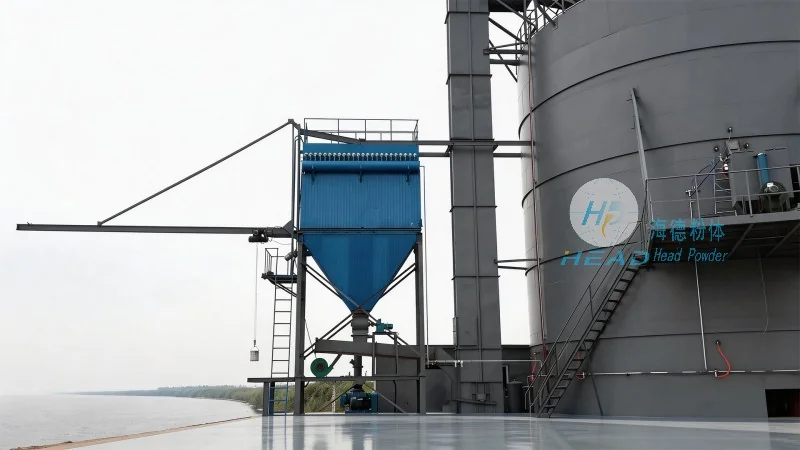
The pneumatic conveying system for ferrous oxide powder typically consists of several essential parts. The primary components include a hopper for material storage, a feeder to control the flow rate, a conveying line (pipeline) where the material is transported, a dust collector to capture any airborne particles, and a control system to regulate the operation. Each component plays a critical role in maintaining the system's efficiency and safety.

Operating Process of the Pneumatic Conveying System
The operation of the pneumatic conveying system for ferrous oxide powder begins with the material being fed from the hopper into the conveying line. The feeder, often a rotary valve or a screw feeder, ensures a consistent flow rate, preventing overloading or underloading of the system. Simultaneously, a fan or blower generates the necessary air pressure to move the material through the pipeline. The air, carrying the ferrous oxide powder, travels through the conveying line to the discharge point, where the material is deposited. The system may also include a cyclone separator or a bag filter in the dust collection unit to capture any fine particles that escape the conveying line.
Working Principle of the Pneumatic Conveying System
The working principle of the pneumatic conveying system relies on the principle of fluidization and drag. When air is introduced into the conveying line at a sufficient velocity, it creates a fluidized state where the ferrous oxide powder particles are suspended and transported along with the air stream. The velocity of the air must be high enough to overcome the gravitational force acting on the particles and any friction within the pipeline. The system's design, including the diameter of the pipeline and the air velocity, is crucial for achieving optimal conveying efficiency. Proper design ensures that the material is conveyed without clogging or excessive pressure drop, which could lead to system failure.
Advantages of Pneumatic Conveying for Ferrous Oxide Powder
Pneumatic conveying systems offer several advantages when handling ferrous oxide powder. These include the ability to transport materials over long distances without the need for intermediate storage or transfer points, reduced risk of contamination compared to mechanical systems, and lower maintenance costs due to fewer moving parts. Additionally, the system can be easily integrated with other industrial processes, such as mixing or packaging, making it a versatile solution for various applications.
Applications and Industries Using Ferrous Oxide Powder Conveying
Ferrous oxide powder is used in a wide range of industrial applications, and the pneumatic conveying system is well-suited for these processes. Industries that benefit from this technology include steel manufacturing, where ferrous oxide is used as a raw material or in the production of pigments. The chemical industry also utilizes ferrous oxide in the synthesis of various compounds, and the conveying system ensures safe and efficient transport of the material. Other applications include the production of magnetic materials and in the treatment of wastewater, where ferrous oxide is used as a coagulant.

Maintenance and Operational Considerations
To ensure the longevity and efficiency of the pneumatic conveying system for ferrous oxide powder, regular maintenance is essential. This includes checking the air pressure and flow rate, inspecting the conveying line for blockages or wear, and cleaning the dust collection system to prevent clogging. The system's control panel should be monitored regularly to detect any abnormalities in the operation. Proper maintenance not only extends the life of the equipment but also ensures consistent performance and safety in the handling of ferrous oxide powder.
Conclusion
Pneumatic conveying systems provide an effective and efficient method for transporting ferrous oxide powder in industrial settings. The operating process involves the coordinated action of various components, working together to move the material through the pipeline using air as the conveying medium. Understanding the working principles and proper maintenance of the system is crucial for maximizing its performance and ensuring safe operation. As a leading provider in the field, Shandong HeadPowder Engineering Co., Ltd. specializes in designing and implementing such systems, offering tailored solutions for the diverse needs of industries handling ferrous oxide powder.