

Operating Process and Working Principle of Polyvinyl Alcohol Formaldehyde Material Conveying System
Shandong HeadPowder Engineering Co., Ltd. specializes in the design and manufacturing of advanced material conveying systems tailored for polyvinyl alcohol formaldehyde (PVOH-Formaldehyde) applications. This system is engineered to efficiently handle the unique properties of PVOH-formaldehyde materials, ensuring reliable and consistent operation in industrial settings. The following sections detail the operational process and underlying working principles of this specialized conveying system.

System Overview and Key Components
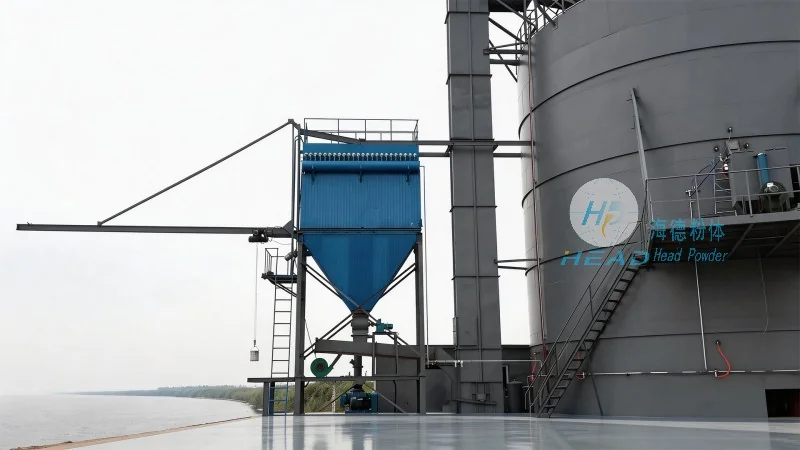
The Polyvinyl Alcohol Formaldehyde Material Conveying System comprises several critical components that work in tandem to facilitate material transport. These include a feeding mechanism, a conveying pipeline, a control unit, and a discharge system. Each component is designed to address specific challenges associated with PVOH-formaldehyde, such as its adhesive properties and potential for clogging. The feeding mechanism, typically a hopper or screw feeder, ensures a steady supply of material into the system. The conveying pipeline, often made of corrosion-resistant materials like stainless steel or specialized polymers, minimizes material degradation and prevents blockages. The control unit, equipped with sensors and automation technology, monitors the system's performance and adjusts parameters in real-time to maintain optimal operation. The discharge system, including valves and outlet mechanisms, ensures smooth release of the material at the end of the conveying process.

Operating Process: Step-by-Step Execution
The operation of the Polyvinyl Alcohol Formaldehyde Material Conveying System follows a systematic sequence to ensure efficient material handling. The process begins with the loading of PVOH-formaldehyde material into the hopper. Once the hopper is filled, the feeding mechanism activates, gradually releasing the material into the conveying pipeline. The material then travels through the pipeline under controlled pressure and velocity, guided by the design of the pipeline and any internal augers or paddles that may be present. The control unit continuously monitors parameters such as flow rate, pressure, and temperature, adjusting the feeding rate or conveying speed as needed to maintain a stable operation. As the material reaches the discharge point, the discharge system opens, allowing the material to be released into the next processing stage or storage container. The entire process is automated, minimizing human intervention and reducing the risk of errors or material loss.
Working Principle: How the System Transfers Material
The working principle of the Polyvinyl Alcohol Formaldehyde Material Conveying System is based on the principles of fluid dynamics and mechanical transport. The system utilizes a combination of gravity and pressure to move the material through the pipeline. The feeding mechanism provides the initial force to start the material flow, while the pipeline's design ensures that the material moves smoothly without excessive friction or clogging. The control unit plays a crucial role in maintaining the balance between the material's properties and the system's operational parameters. For example, if the material becomes too viscous or sticky, the system may adjust the temperature or use a mild agitation mechanism to prevent blockages. The discharge system's design, including the type of valve and outlet, is tailored to handle the material's characteristics, ensuring a clean and efficient release. Overall, the system's working principle is optimized to handle the unique challenges of PVOH-formaldehyde, providing a reliable and efficient solution for material transport in industrial applications.
Benefits and Applications of the Conveying System
The Polyvinyl Alcohol Formaldehyde Material Conveying System offers several advantages for industries that process PVOH-formaldehyde materials. These benefits include improved efficiency in material handling, reduced downtime due to clogging or blockages, and enhanced safety through automated operation. The system is particularly suitable for applications in the chemical, pharmaceutical, and manufacturing sectors where precise control over material transport is critical. For example, in the production of PVOH-formaldehyde-based adhesives or coatings, the system ensures consistent material delivery to the mixing or processing units. The system's durability and corrosion resistance also make it suitable for harsh industrial environments, extending its operational lifespan and reducing maintenance costs. Overall, the system provides a cost-effective and reliable solution for transporting PVOH-formaldehyde materials, supporting the smooth operation of production lines and enhancing overall productivity.