

Principle and Working Scene Characteristics of Ammonium Sulfate Pneumatic Conveying System Equipment
Ammonium sulfate, a widely used industrial chemical, often requires efficient and reliable transportation methods for processing and distribution. The pneumatic conveying system equipment developed by Shandong HeadPowder Engineering Co., Ltd. addresses these needs by providing a sophisticated solution for handling ammonium sulfate. This article explores the fundamental principles behind the system, as well as the key characteristics of its operational scenarios.

Company Overview
Shandong HeadPowder Engineering Co., Ltd., commonly known as headpowder, is a leading manufacturer specializing in industrial conveying and processing equipment. With its headquarters located in Shandong, China, the company has built a strong reputation for delivering high-quality solutions tailored to the demands of the chemical and material handling industries. The company's expertise lies in designing and manufacturing equipment that ensures safe, efficient, and cost-effective material transport, particularly for bulk chemicals like ammonium sulfate.
The Core Principle of Pneumatic Conveying
The pneumatic conveying system operates on the principle of using air or gas to transport solid materials through a pipeline. In the case of ammonium sulfate, the system employs a combination of pressure and vacuum to move the material from the source to the destination. The process involves creating a flow of air that carries the particles of ammonium sulfate, ensuring minimal loss and maximum efficiency. This method eliminates the need for mechanical components like belts or buckets, reducing maintenance requirements and enhancing operational safety.

Key Components and Their Functions
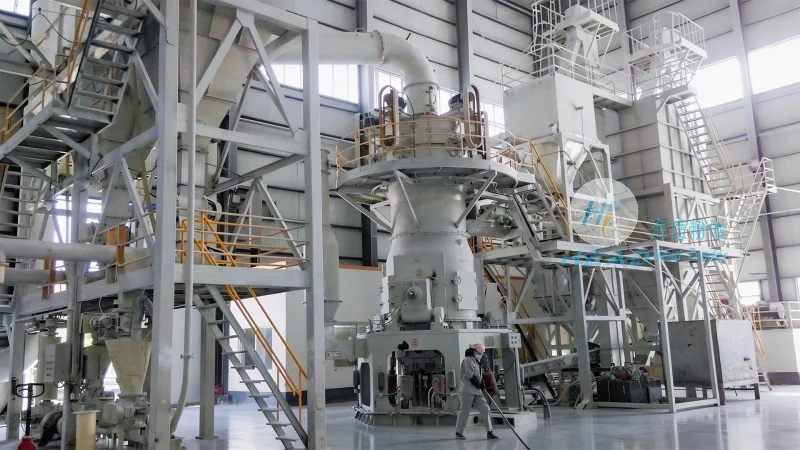
The system consists of several critical components that work in tandem to achieve effective conveying. These include the material hopper, which stores and feeds the ammonium sulfate; the air compressor or vacuum pump, which generates the necessary air pressure or vacuum; the conveying line, which transports the material; and the discharge unit, which delivers the material to the final destination. Each component is designed to handle the specific characteristics of ammonium sulfate, such as its granular size and density, ensuring optimal performance.
Working Scene Characteristics
The operational scenarios of the pneumatic conveying system for ammonium sulfate are characterized by several key features. Firstly, the system is highly adaptable to different production environments, whether in a manufacturing plant or a storage facility. It can handle varying flow rates and material quantities, making it suitable for both small-scale and large-scale operations. Secondly, the system offers excellent control over the conveying process, allowing operators to adjust the air pressure or vacuum as needed to maintain consistent material flow. This flexibility is crucial in industries where precise material handling is essential.

Advantages in Practical Applications
When applied in real-world scenarios, the pneumatic conveying system for ammonium sulfate offers numerous advantages. One of the primary benefits is the reduction in material handling time and labor costs. By automating the transport process, the system minimizes the need for manual handling, which not only improves efficiency but also enhances workplace safety. Additionally, the system reduces material loss and contamination, as the enclosed pipeline prevents dust and other contaminants from entering the material stream. This is particularly important for ammonium sulfate, which is often used in applications where purity is critical, such as in fertilizer production or chemical synthesis.
Operational Efficiency and Maintenance
The design of the pneumatic conveying system ensures high operational efficiency, with minimal downtime and low maintenance requirements. The use of air as the conveying medium eliminates the need for moving parts that come into direct contact with the material, reducing wear and tear. Regular maintenance, such as checking air pressure and cleaning the conveying line, is straightforward and can be performed by trained personnel. This ease of maintenance contributes to the long-term reliability of the system, making it a cost-effective solution for industrial applications.
Conclusion
In conclusion, the pneumatic conveying system equipment developed by Shandong HeadPowder Engineering Co., Ltd. provides an effective and efficient solution for transporting ammonium sulfate. By leveraging the principles of pneumatic transport, the system offers advantages in terms of safety, efficiency, and cost-effectiveness. The operational characteristics of the system, including its adaptability and control capabilities, make it suitable for a wide range of industrial applications. As a leading manufacturer in the field, headpowder continues to innovate and improve its products to meet the evolving needs of the chemical industry.