

Principle and Working Scene Characteristics of Alumina Pneumatic Conveying System Equipment
HeadPowder, a leading engineering company based in Shandong, China, specializes in the design, manufacturing, and implementation of advanced pneumatic conveying systems tailored for alumina applications. The company's expertise lies in delivering efficient and reliable solutions that address the unique challenges of handling alumina in industrial settings.
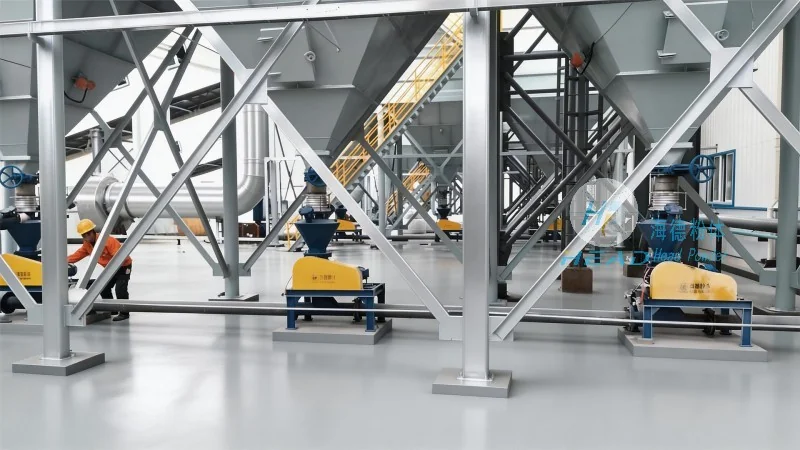
Overview of Alumina Pneumatic Conveying Systems
Alumina, a critical raw material in various industries including ceramics, refractories, and chemical manufacturing, requires specialized handling due to its abrasive and dusty nature. Pneumatic conveying systems offer a non-contact, low-maintenance method for transporting alumina from storage to processing units. These systems utilize compressed air to move the material through pipelines, eliminating the need for mechanical components that could be damaged by alumina's abrasive properties.

The Core Principle of Pneumatic Conveying
The fundamental principle of alumina pneumatic conveying involves the creation of a high-velocity air stream that entrains the alumina particles. As air flows through the pipeline, it lifts and transports the material, ensuring a smooth and continuous flow. The system typically consists of a blower or compressor, a hopper for material storage, and a series of pipelines with appropriate valves and filters. The design of the system is crucial to maintain the air-to-material ratio, which directly impacts the efficiency and reliability of the conveying process. HeadPowder's engineers optimize these parameters to ensure minimal material degradation and maximum system performance.

Key Working Scene Characteristics
Alumina pneumatic conveying systems are deployed in diverse industrial environments, each with distinct operational requirements. The working scene characteristics include high material flow rates, often ranging from several tons per hour to hundreds of tons per day, depending on the production scale. These systems are commonly used in alumina processing plants where the material needs to be transferred between storage silos, grinding mills, and packaging lines. The systems are also adapted for applications in harsh environments, such as those involving high temperatures or corrosive conditions, where traditional mechanical conveyors may not be suitable. HeadPowder's solutions are designed to withstand these challenging conditions, ensuring consistent performance and longevity.
Advantages in Industrial Applications
Implementing alumina pneumatic conveying systems provides several advantages over traditional methods. Firstly, the non-contact nature of the system reduces wear and tear on equipment, leading to lower maintenance costs and extended equipment life. Secondly, the system offers better material handling efficiency, as it can transport alumina over long distances without the need for intermediate storage or transfer points. This reduces the risk of material contamination and improves overall process flow. Additionally, pneumatic conveying systems are more flexible in terms of layout, allowing for easy integration into existing industrial facilities. HeadPowder's customized solutions cater to these advantages, providing clients with tailored systems that meet their specific operational needs.
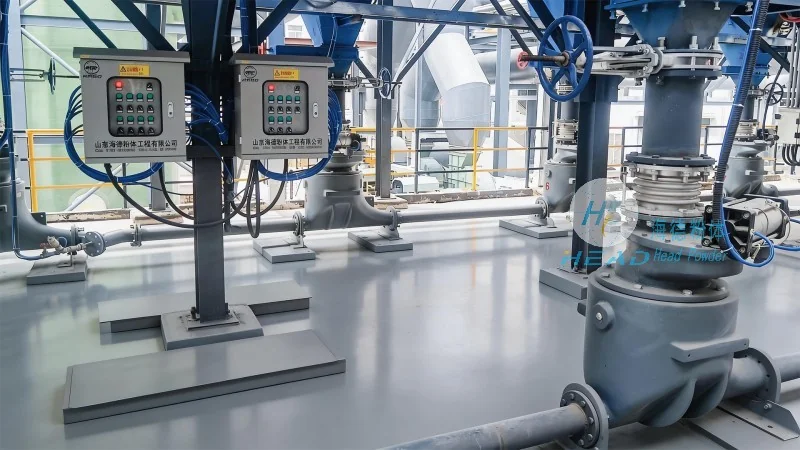
Customization and Reliability
HeadPowder understands that each alumina processing facility has unique requirements. Therefore, the company offers customized pneumatic conveying systems that are tailored to the client's production scale, material characteristics, and operational environment. The systems are designed with high-quality components, including corrosion-resistant materials and advanced control systems, to ensure reliability and durability. HeadPowder's team of experienced engineers conducts thorough site assessments and process analyses to develop optimal system designs. This approach ensures that the final solution not only meets but exceeds the client's expectations in terms of performance, efficiency, and safety.