

Desulfurization Fly Ash Pneumatic Conveying System Equipment: Introduction to Structure and Principl
Desulfurization fly ash, as a byproduct of flue gas desulfurization processes in power plants and industrial facilities, requires efficient handling and transportation. The pneumatic conveying system is a key technology for managing this material, offering a reliable solution for transporting fly ash from collection points to disposal or utilization sites. This article provides an overview of the equipment involved in such systems, focusing on their structural design and operational principles.

HeadPowder, a leading provider in the field, specializes in engineering and manufacturing pneumatic conveying solutions tailored to the demands of desulfurization applications. With a strong presence in Shandong, China, the company has established itself as a trusted partner for industries seeking efficient and cost-effective fly ash handling systems. The following sections detail the components, working mechanisms, and advantages of the pneumatic conveying system for desulfurization fly ash.
Key Equipment Components in Pneumatic Conveying Systems
The pneumatic conveying system for desulfurization fly ash typically consists of several critical components that work in concert to ensure smooth material transport. These components include the ash collection hopper, the air compressor or blower, the conveying pipeline, the control system, and the discharge or storage unit. Each component plays a vital role in the overall operation of the system.
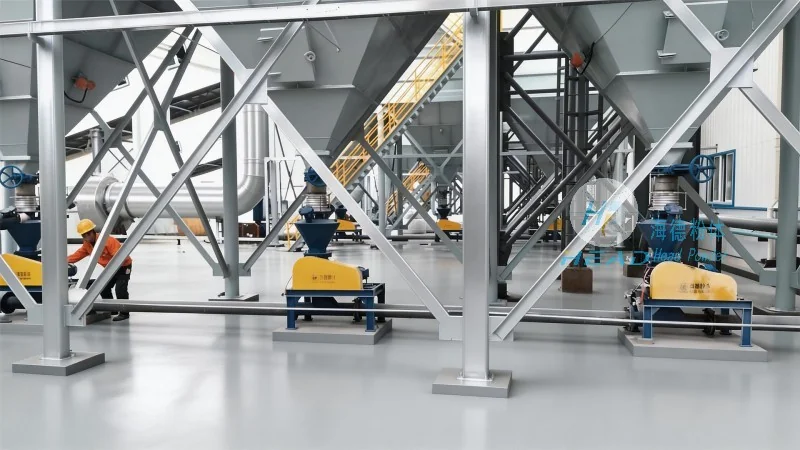
The ash collection hopper is designed to collect and store the desulfurization fly ash from the flue gas treatment process. It is equipped with a feeding mechanism, such as a rotary valve or a screw feeder, which regulates the flow of ash into the conveying system. The hopper is usually made of corrosion-resistant materials to withstand the acidic environment of the fly ash and the associated gases.
The air compressor or blower is the heart of the pneumatic conveying system, responsible for generating the necessary air pressure to move the fly ash particles through the pipeline. Different types of compressors are available, including positive displacement blowers and centrifugal fans, each with specific characteristics suited to different flow rates and pressure requirements. The choice of compressor depends on the system's capacity and the distance over which the ash needs to be conveyed.
The conveying pipeline is a network of pipes that transports the fly ash from the collection hopper to the discharge point. The pipeline is typically made of materials like stainless steel or plastic, chosen for their durability and resistance to corrosion and abrasion. The design of the pipeline, including the use of bends, elbows, and expansion joints, is crucial to minimize pressure losses and ensure efficient material transport. The pipeline may also include filters or cyclones to separate any entrained air or fine particles from the ash stream.
The control system manages the operation of the pneumatic conveying system, ensuring that the air flow and ash feed are coordinated to maintain a consistent and stable conveying process. This system typically includes sensors to monitor pressure, flow rate, and ash level, as well as control valves and actuators to adjust the operation of the feeder and compressor as needed. The control system helps prevent overloading, underloading, or blockages in the pipeline, thereby enhancing the reliability and efficiency of the system.
The discharge or storage unit is the final component of the pneumatic conveying system, where the fly ash is deposited or stored after being transported. This unit may include a silo, a hopper, or a conveyor system that transfers the ash to its final destination, such as a landfill, a recycling facility, or a cement plant for utilization. The design of the discharge unit is tailored to the specific requirements of the application, ensuring that the ash is handled safely and efficiently.
Working Principle of Pneumatic Conveying for Desulfurization Fly Ash
The pneumatic conveying system operates on the principle of transporting solid particles through a pipeline using a moving gas stream. In the case of desulfurization fly ash, the system uses compressed air to create a flow that carries the ash particles along the pipeline. The process can be categorized into two main types: dilute phase and dense phase conveying, each with distinct characteristics and applications.
Dilute phase conveying involves the transport of fly ash particles suspended in a high-velocity air stream. The air velocity is typically high enough to keep the particles in suspension, preventing them from settling or clogging the pipeline. This method is suitable for short to medium distances and low to moderate ash flow rates. The system operates at relatively low pressure, making it energy-efficient and cost-effective for many applications.
Dense phase conveying, on the other hand, involves the transport of fly ash particles in a low-velocity air stream, where the particles are more closely packed together. This method is suitable for longer distances and higher ash flow rates, as it reduces the risk of particle segregation and blockages. The system operates at higher pressure, which may require more powerful compressors and additional energy input.
The operation of the pneumatic conveying system begins with the ash being fed from the collection hopper into the pipeline. The air compressor then supplies compressed air to the pipeline, creating a pressure differential that drives the ash particles forward. The air and ash mixture travels through the pipeline, with the air velocity maintaining the particles in suspension. At the discharge point, the air is separated from the ash, either through a cyclone or a filter, and the ash is collected for further use or disposal.
The control system continuously monitors the pressure and flow rates in the pipeline, adjusting the air supply and ash feed as needed to maintain optimal conveying conditions. This ensures that the system operates efficiently and reliably, minimizing downtime and maintenance costs. The design of the system, including the selection of components and the layout of the pipeline, is critical to achieving the desired performance and meeting the specific requirements of the desulfurization application.
Advantages of Pneumatic Conveying Systems for Desulfurization Fly Ash
Pneumatic conveying systems offer several advantages over traditional mechanical conveying methods for handling desulfurization fly ash. These advantages include improved efficiency, reduced labor costs, and enhanced safety. The system eliminates the need for manual handling of the ash, which reduces the risk of exposure to hazardous materials and minimizes the potential for accidents or injuries.

Efficiency is a key benefit of pneumatic conveying, as the system can transport large volumes of fly ash over long distances with minimal energy consumption. The use of compressed air allows for a continuous and uninterrupted flow of material, which is particularly beneficial for industrial applications where a steady supply of ash is required. The system also reduces the need for intermediate storage and handling, streamlining the overall process and improving operational efficiency.
Cost-effectiveness is another significant advantage of pneumatic conveying systems. By eliminating the need for conveyor belts, buckets, or other mechanical components, the system reduces capital and maintenance costs. The compact design of the system also saves space, making it suitable for facilities with limited floor area. Additionally, the system's ability to handle a wide range of ash flow rates and particle sizes makes it a versatile solution for various desulfurization applications.
Safety is a critical consideration in the handling of desulfurization fly ash, as the material can be hazardous due to its acidic nature and the presence of heavy metals. Pneumatic conveying systems provide a safe and enclosed environment for transporting the ash, reducing the risk of dust emissions and exposure to workers. The system's enclosed pipeline and control mechanisms minimize the potential for leaks or spills, ensuring that the material is handled in compliance with environmental regulations.
Applications and Customization Options
The pneumatic conveying system for desulfurization fly ash is widely used in various industrial applications, including power plants, chemical plants, and waste management facilities. The system can be customized to meet the specific requirements of each application, including the capacity, distance, and ash characteristics. HeadPowder offers tailored solutions that are designed to optimize the performance and efficiency of the system for each client's unique needs.
For power plants, the system is commonly used to transport fly ash from the desulfurization unit to the ash storage silo or to a cement plant for utilization. The system can handle large volumes of ash and operate over long distances, making it ideal for these applications. In chemical plants, the system may be used to transport fly ash from a filtration process to a disposal site or to a recycling facility for further processing.
Customization options for the pneumatic conveying system include the selection of different components, such as the type of compressor, the material of the pipeline, and the control system. The system can also be designed to handle different ash flow rates and particle sizes, ensuring that it meets the specific requirements of each application. HeadPowder's engineering team works closely with clients to design and manufacture customized systems that are tailored to their needs, ensuring optimal performance and reliability.
Conclusion
The pneumatic conveying system is a critical technology for handling desulfurization fly ash, offering a reliable and efficient solution for transporting this material from collection points to disposal or utilization sites. HeadPowder, with its expertise and experience in the field, provides high-quality equipment and customized solutions that meet the demands of various industrial applications. By understanding the structural components and operational principles of the system, industries can make informed decisions about implementing this technology to improve their fly ash handling processes and enhance overall operational efficiency.