

Working Principle and Features of the Air-Pneumatic Conveying Line for Anhydrous Aluminum Chloride M
For industrial applications involving the handling of anhydrous aluminum chloride, efficient and reliable material transport systems are crucial. The air-pneumatic conveying line designed by Shandong HeadPowder Engineering Co., Ltd. offers a sophisticated solution tailored to meet the specific demands of this challenging material. This article delves into the working principle and key features of this specialized equipment, providing insights into its operational efficiency and practical advantages.

Overview of the Air-Pneumatic Conveying System
The air-pneumatic conveying line for anhydrous aluminum chloride operates on the principle of using compressed air to transport bulk materials through a pipeline network. This method eliminates the need for mechanical components like belts or screws, reducing maintenance requirements and enhancing safety. The system is engineered to handle the unique properties of anhydrous aluminum chloride, such as its hygroscopic nature and potential for dust generation, ensuring a stable and controlled conveying process.
Working Principle of the Conveying Line
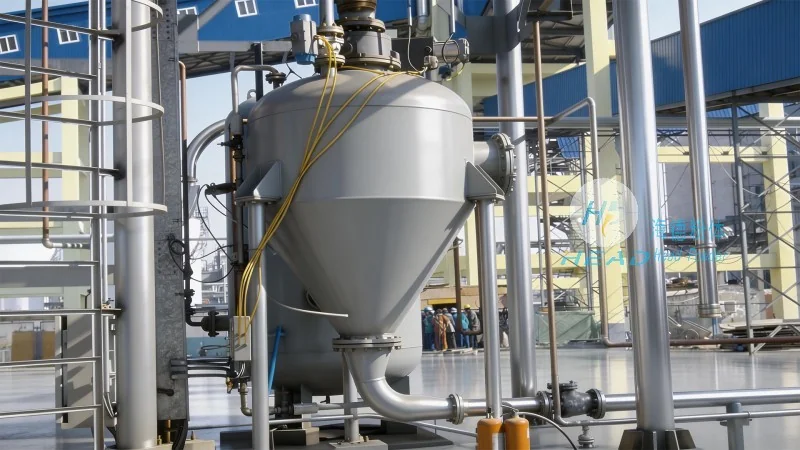
The core mechanism of the air-pneumatic conveying line involves the generation of a high-velocity air stream within the pipeline. This air stream is created by a positive displacement blower or a rotary lobe compressor, which supplies the necessary pressure and volume to move the material. As the anhydrous aluminum chloride is introduced into the pipeline, it is entrained by the air flow and transported to the destination point. The system typically includes a series of components, including a hopper for material storage, a feeder to control the flow rate, and a receiver to collect the material at the end of the line. The air flow is carefully regulated to maintain consistent material velocity, preventing blockages and ensuring smooth operation.

Key Features and Advantages
Several distinct features make the air-pneumatic conveying line for anhydrous aluminum chloride an ideal choice for industrial applications. Firstly, it offers a high degree of flexibility in terms of layout and installation, as the pipeline can be configured to follow the existing plant layout without the need for extensive structural modifications. Secondly, the system provides excellent dust control, as the material is contained within the pipeline, reducing the risk of environmental contamination and improving workplace safety. Thirdly, the operation is highly efficient, with minimal energy consumption compared to traditional mechanical conveying methods. Additionally, the system is designed for easy maintenance, with accessible components that can be serviced quickly, minimizing downtime and maximizing productivity.
Application-Specific Design Considerations
Given the specific characteristics of anhydrous aluminum chloride, the conveying line is engineered with materials that are resistant to corrosion and chemical attack. The pipeline and components are typically made from stainless steel or other corrosion-resistant alloys, ensuring long-term durability and reliability. The system also incorporates features to prevent moisture ingress, as anhydrous aluminum chloride is highly sensitive to water, which could lead to degradation or hazardous reactions. Furthermore, the design includes safety mechanisms such as pressure relief valves and overfill protection to safeguard against operational hazards.
Operational Efficiency and Performance Metrics
The air-pneumatic conveying line is optimized for high throughput and consistent material delivery. Performance metrics such as conveying capacity, pressure drop, and material velocity are carefully monitored and adjusted to maintain optimal operation. The system can handle a wide range of material flow rates, from low to high, making it suitable for various production scales. The use of advanced control systems allows for real-time monitoring and adjustment of the conveying parameters, ensuring that the system operates at peak efficiency under varying conditions. This results in improved production throughput and reduced operational costs for the end-user.
Conclusion and Company Information
The air-pneumatic conveying line for anhydrous aluminum chloride, developed by Shandong HeadPowder Engineering Co., Ltd., represents a cutting-edge solution for the efficient and safe handling of this critical material. By leveraging the principles of air-pneumatic transport, the system offers superior performance, flexibility, and reliability compared to traditional conveying methods. With its robust design and comprehensive features, this equipment is well-suited for industrial applications where material transport efficiency and safety are paramount. Shandong HeadPowder Engineering Co., Ltd., based in Shandong, China, specializes in providing customized material handling solutions tailored to the unique needs of various industries, ensuring that clients receive high-quality equipment and reliable support throughout the entire process.