

Working Principle and Features of Tea Material Pneumatic Conveying Systems
Tea material pneumatic conveying systems are specialized equipment designed to transport loose tea leaves, tea powder, or other tea processing byproducts through a pipeline using air pressure. These systems are widely used in the tea industry due to their efficiency, hygiene, and ability to handle delicate tea materials without causing damage. The core of such systems lies in the integration of air flow and material handling, which ensures smooth and controlled movement of tea products from one processing stage to another.
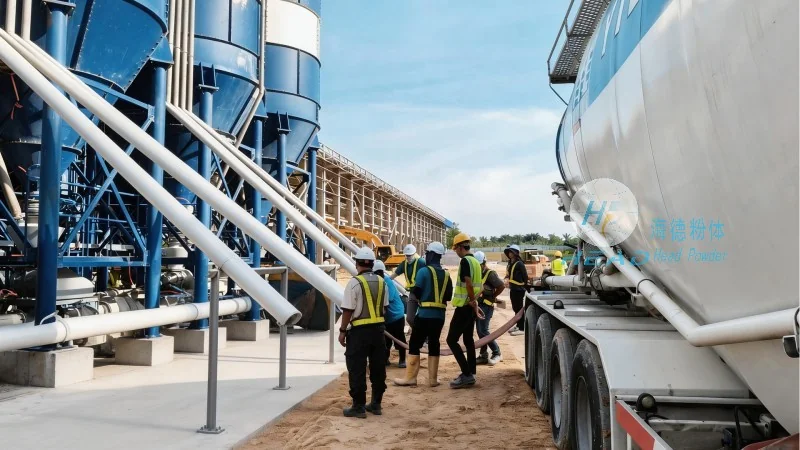
Working Principle of Pneumatic Conveying Systems
The working principle of a tea material pneumatic conveying system typically involves the use of a blower or compressor to generate airflow within a sealed pipeline. The tea material is introduced into the system, often via a hopper or feeder, and is then entrained by the moving air stream. As the air and material travel through the pipeline, the system maintains a consistent flow rate and pressure to ensure reliable transport. The design of the system, including the type of air flow (e.g., dilute phase or dense phase), the pipe diameter, and the number of bends, all contribute to the overall efficiency and performance of the conveying process. For tea materials, which are often light and prone to dust, the system is optimized to minimize particle separation and maintain product integrity throughout the transport.
Key Features of Tea Material Pneumatic Conveying Systems
Tea material pneumatic conveying systems offer several distinct features that make them ideal for tea processing applications. Firstly, they provide a hygienic and dust-free environment, which is crucial for maintaining the quality and safety of tea products. The sealed pipeline design prevents contamination from external sources and reduces the risk of product degradation. Secondly, these systems are highly efficient in terms of energy consumption and operational speed, allowing for rapid transfer of large volumes of tea material. The ability to handle both bulk and fine tea powders makes them versatile for various processing stages, such as from drying to packaging. Additionally, the systems are designed for easy maintenance and cleaning, with components that can be disassembled and sanitized to meet industry standards. The use of advanced control systems further enhances operational flexibility, enabling precise regulation of airflow and material flow rates to match production demands.

Applications in Tea Processing
Tea material pneumatic conveying systems are applied in multiple stages of tea processing, from raw material handling to final product packaging. In the initial stages, the system can transport freshly harvested tea leaves from the field or from a storage hopper to the processing plant. During the processing steps, such as withering, rolling, and drying, the system efficiently moves the tea material between different equipment, ensuring a continuous production flow. For tea powder production, the system is particularly effective in conveying fine particles from the grinding or milling stage to the packaging line. The ability to handle both wet and dry tea materials, depending on the system design, adds to its versatility. Furthermore, the system's ability to maintain product temperature and moisture levels is critical for preserving the flavor and aroma of the tea, which are essential for consumer appeal.

Advantages Over Traditional Conveying Methods
Compared to traditional conveying methods like belt conveyors or bucket elevators, tea material pneumatic conveying systems offer several advantages. Traditional methods often require more space and are less hygienic, as they expose the tea material to the environment. In contrast, pneumatic systems keep the tea material enclosed, reducing the risk of contamination and spoilage. They also eliminate the need for manual handling, which improves workplace safety and reduces labor costs. The systems are also more adaptable to changes in production volume, as the airflow and material feed can be adjusted to meet varying demands. Additionally, the sealed design of pneumatic systems helps in controlling dust emissions, which is beneficial for both environmental compliance and worker health. Overall, the efficiency and reliability of pneumatic conveying systems make them a preferred choice for modern tea processing facilities.
Customization and Maintenance
Tea material pneumatic conveying systems are often customized to meet the specific needs of tea processing plants. Factors such as the type of tea material (e.g., green tea, black tea, or tea powder), the production scale, and the available space influence the system design. For example, a system handling fine tea powder may require a different pipe diameter and air flow rate compared to one handling whole leaves. The system components, including the blower, filters, and control valves, are also selected based on the material properties and operational requirements. Regular maintenance is essential to ensure the system's performance and longevity. This includes cleaning the pipeline and filters to prevent clogging, inspecting the blower and motor for wear, and checking the control system for proper operation. Shandong HeadPowder Engineering Co., Ltd., a leading manufacturer in this field, offers tailored solutions and comprehensive maintenance services to support tea processing plants in optimizing their conveying systems.