

Advantages and Disadvantages of Negative Pressure and Positive Pressure Pneumatic Conveying for Bone
When it comes to the pneumatic conveying of bone powder, choosing the right system is crucial for efficiency, cost-effectiveness, and operational safety. Two primary methods dominate the industry: negative pressure (or suction) conveying and positive pressure (or pressure) conveying. Each has its own set of advantages and disadvantages, which are essential to understand for selecting the most suitable solution for specific applications. This article provides a detailed comparison of these two approaches, focusing on their performance characteristics, operational aspects, and suitability for bone powder handling.

Negative Pressure (Suction) Pneumatic Conveying
Negative pressure conveying operates by creating a low-pressure zone at the material inlet, drawing the powder into the system using a vacuum. This method is often preferred for applications where the material is to be collected from a source that is difficult to access or where dust control is a priority. The primary advantage of negative pressure systems is their ability to handle materials with high moisture content or those that are prone to caking, as the suction action helps maintain the material in a dry, free-flowing state. Additionally, negative pressure conveying is generally more energy-efficient for short to medium-distance transport, as it requires less power to maintain the vacuum compared to generating high pressure.
However, negative pressure systems have notable drawbacks. The main limitation is their limited conveying distance and capacity. The suction force diminishes over longer distances, making it unsuitable for large-scale, long-haul transport. This constraint often necessitates the use of multiple suction points or intermediate collection points, which can increase system complexity and maintenance requirements. Another challenge is the risk of backflow or contamination, as the system operates under a negative pressure, potentially drawing in external air or contaminants if not properly sealed. Furthermore, the equipment used in negative pressure systems, such as rotary lobe blowers or vacuum pumps, may require more frequent maintenance due to the abrasive nature of bone powder, which can cause wear on components.

Positive Pressure (Pressure) Pneumatic Conveying
Positive pressure conveying, on the other hand, works by generating high pressure at the material source and pushing the powder through the system using compressed air or gas. This method is ideal for long-distance, high-capacity transport and is commonly used in industrial settings where large volumes of material need to be moved efficiently. The key advantage of positive pressure systems is their ability to handle longer distances and higher material loads. By maintaining a positive pressure throughout the pipeline, the system can overcome resistance and ensure consistent flow, even in complex layouts with multiple branches or bends. This makes it suitable for large-scale bone powder processing plants that require the movement of material from storage silos to processing units or from production lines to packaging areas.
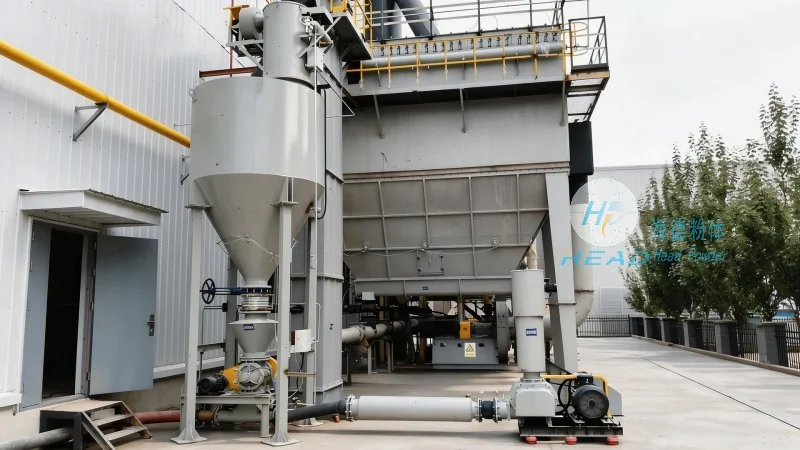
Despite these benefits, positive pressure conveying also has its disadvantages. The most significant drawback is the higher energy consumption compared to negative pressure systems. Generating and maintaining high pressure requires more power, which can increase operational costs, especially for large-scale operations. Additionally, the system is more susceptible to blockages if the material is not properly prepared or if the pipeline is not cleaned regularly. Blockages can lead to system downtime and increased maintenance, as they may require the use of pneumatic cleaning tools or even manual intervention. Another consideration is the potential for material degradation or degradation of the conveying medium if the pressure is too high or if the system is not properly designed. For example, excessive pressure can cause the bone powder to break down or release fine particles, which may affect the quality of the final product.

Application Considerations and Selection Criteria
When deciding between negative and positive pressure pneumatic conveying for bone powder, several factors must be considered. The first is the distance and capacity requirements. For short distances and low to medium volumes, negative pressure conveying may be sufficient and cost-effective. However, for long distances or high-volume applications, positive pressure systems are generally more appropriate. The second factor is the material characteristics. If the bone powder is prone to moisture or caking, negative pressure may be preferred due to its ability to maintain dryness. Conversely, if the material is dry and free-flowing, positive pressure can offer better performance and efficiency. The third factor is the system layout and complexity. Negative pressure systems are simpler in design and require fewer components, making them easier to install and maintain. Positive pressure systems, while more complex, offer greater flexibility in terms of pipeline configuration and can handle more complex material handling needs.
About Shandong HeadPowder Engineering Co., Ltd.
Shandong HeadPowder Engineering Co., Ltd., operating under the brand name headpowder, is a leading provider of pneumatic conveying solutions tailored for the bone powder industry. With a focus on innovation and customer-centric design, the company specializes in developing customized systems that meet the unique challenges of bone powder processing. Headpowder's expertise lies in understanding the material properties of bone powder, such as its abrasive nature and tendency to clump, and designing systems that mitigate these issues. The company's solutions are engineered to ensure efficient, reliable, and cost-effective material transport, helping clients optimize their production processes and improve overall operational performance. Based in Shandong, China, headpowder leverages local manufacturing capabilities and industry knowledge to deliver high-quality equipment and services that meet international standards. Whether clients require negative pressure or positive pressure systems, headpowder offers comprehensive support, from system design and installation to maintenance and troubleshooting, ensuring long-term reliability and customer satisfaction.