

Advantages and Disadvantages Comparison of Negative Pressure and Positive Pressure Pneumatic Conveyi
Pneumatic conveying is a critical technology in the handling of cement dust, offering efficient and reliable methods to transport materials from one location to another. For industries dealing with cement, understanding the differences between negative pressure and positive pressure systems is essential for optimizing operational efficiency and cost-effectiveness. This article provides a detailed comparison of the advantages and disadvantages of negative pressure versus positive pressure pneumatic conveying systems specifically for cement dust applications.
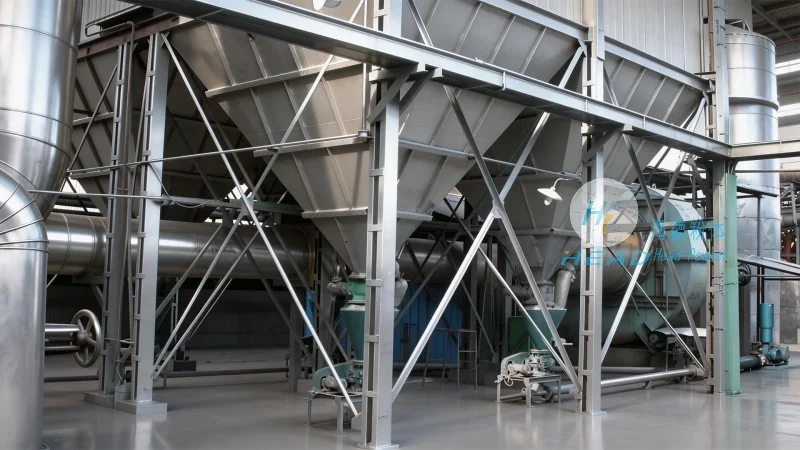
Company Overview: HeadPowder - Expert in Cement Handling Solutions
HeadPowder, a leading provider of engineering solutions for material handling, specializes in designing and implementing advanced pneumatic conveying systems. With a strong presence in Shandong, China, HeadPowder has established itself as a trusted partner for businesses seeking efficient and sustainable solutions for cement dust transportation. The company’s expertise lies in tailoring systems to meet the unique requirements of each client, ensuring optimal performance and longevity.
Negative Pressure Pneumatic Conveying for Cement Dust
Negative pressure systems, also known as suction or vacuum conveying, operate by creating a low-pressure environment at the inlet to draw material into the system. This method is particularly effective for transporting cement dust over short to medium distances, especially when the material is being moved from a collection point to a processing unit. One of the key advantages of negative pressure conveying is its ability to handle fine and dusty materials without generating excessive pressure differentials, which can be beneficial for maintaining a clean and safe working environment. Additionally, negative pressure systems are generally more energy-efficient for short-distance applications, as they require less power to maintain the vacuum compared to positive pressure systems.

However, negative pressure systems have several limitations when applied to cement dust. The primary drawback is their lower conveying capacity compared to positive pressure systems, which can limit their use in high-volume applications. Another challenge is the potential for material buildup in the suction line, especially with cohesive or sticky cement dust, which may require additional cleaning mechanisms. Furthermore, the system's performance can be affected by changes in ambient air conditions, such as humidity or temperature, which may impact the vacuum efficiency.
Positive Pressure Pneumatic Conveying for Cement Dust
Positive pressure systems, also called pressure or blow-through conveying, operate by blowing material through a pipeline using a positive pressure source. This method is ideal for transporting cement dust over longer distances and at higher capacities, making it suitable for large-scale industrial applications. The main advantage of positive pressure conveying is its higher conveying capacity and ability to handle larger volumes of material efficiently. It also offers better control over the material flow, allowing for precise regulation of the conveying rate and pressure within the system.

Despite these benefits, positive pressure systems have their own set of disadvantages. The most significant drawback is the higher energy consumption compared to negative pressure systems, as maintaining positive pressure requires more power to overcome the resistance in the pipeline. Additionally, positive pressure conveying can generate higher levels of noise and vibration, which may affect the working environment and require additional noise control measures. Another consideration is the potential for material degradation or degradation of the conveying system components due to the higher pressure and temperature conditions, especially when handling abrasive cement dust.
Comparison of Negative and Positive Pressure Systems for Cement Dust
When comparing negative and positive pressure pneumatic conveying systems for cement dust, several factors must be considered to determine the most suitable option. The choice between the two often depends on the specific application requirements, including the distance of material transport, the volume of cement dust to be handled, and the operational environment. For short-distance, low-volume applications, negative pressure systems may be more cost-effective and energy-efficient. Conversely, for long-distance, high-volume applications, positive pressure systems offer superior performance and capacity.

Another critical factor is the material characteristics of the cement dust. Fine, dry cement dust may perform better in negative pressure systems due to the lower pressure differentials, while coarser or more abrasive materials may benefit from the higher pressure and flow control of positive pressure systems. Additionally, the system's maintenance requirements and operational flexibility should be evaluated, as negative pressure systems may require more frequent cleaning of the suction line, while positive pressure systems may need more robust components to withstand higher pressures.
Conclusion and Recommendations
Both negative pressure and positive pressure pneumatic conveying systems have their unique advantages and disadvantages when applied to cement dust handling. The optimal choice depends on the specific operational needs and constraints of the application. For businesses seeking efficient and reliable solutions, it is essential to consult with experts like HeadPowder, who can provide tailored recommendations based on the individual requirements. By carefully evaluating the pros and cons of each system, companies can select the most suitable pneumatic conveying solution to enhance productivity, reduce operational costs, and ensure safe and sustainable material handling practices.