

Working Principle and Characteristics of Corn Flour Pneumatic Conveying
HeadPowder, a leading manufacturer based in Shandong, China, specializes in advanced pneumatic conveying systems tailored for the handling of corn flour. This article delves into the fundamental working principle of corn flour pneumatic conveying and highlights the key characteristics that make such systems efficient and reliable in industrial applications.

Working Principle of Corn Flour Pneumatic Conveying
Corn flour pneumatic conveying operates on the principle of transporting bulk materials like corn flour through a pipeline using a gas stream, typically air. The process involves several critical components and steps that ensure smooth material transfer. First, the corn flour is introduced into a hopper or feeding device, where it is then fed into the conveying line under controlled pressure. A fan or blower generates the necessary airflow, creating a pressure differential that propels the corn flour particles through the pipeline. The air flow can be either positive (pressure) or negative (vacuum), depending on the system design and application requirements. The velocity of the air and the size of the particles are carefully balanced to prevent clogging and ensure consistent flow. As the corn flour travels through the pipeline, it is often mixed with air to maintain a stable suspension, which minimizes material degradation and ensures efficient transport. The system may include additional components like cyclones or filters to separate the corn flour from the air at the receiving end, allowing for clean material discharge and air recycling. HeadPowder’s expertise lies in optimizing these components to achieve high efficiency and minimal energy consumption in corn flour handling.
Key Characteristics of Corn Flour Pneumatic Conveying Systems
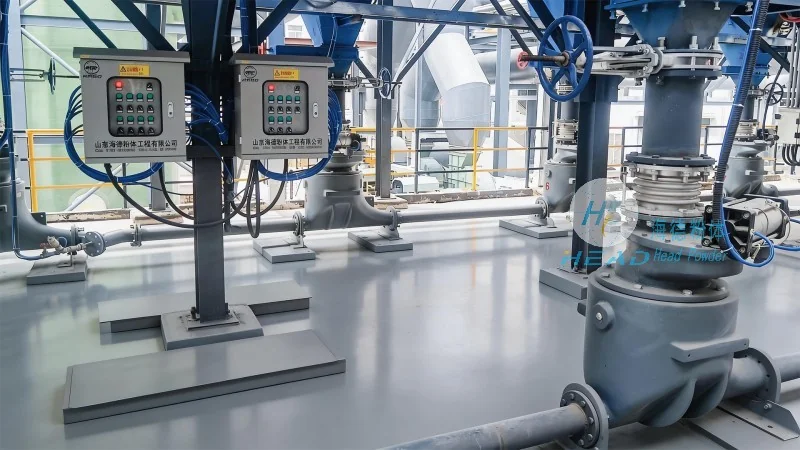
HeadPowder’s pneumatic conveying systems for corn flour exhibit several distinct characteristics that set them apart in the industry. One of the primary advantages is the ability to handle fine, powdery materials like corn flour without the need for mechanical components that could cause wear or contamination. The system is highly flexible, allowing for vertical, horizontal, or combined (vertical and horizontal) conveying paths, which is essential for adapting to different plant layouts. Another key characteristic is the hygienic design, which is crucial for food-grade applications such as corn flour processing. The systems are constructed with materials that meet food safety standards, and the components are easy to clean and maintain, reducing downtime and ensuring compliance with regulatory requirements. Efficiency is another critical characteristic, as HeadPowder’s systems are engineered to minimize energy consumption while maximizing material throughput. The use of optimized air velocity and pipeline design reduces energy waste and lowers operational costs. Additionally, the systems offer high reliability and durability, with robust components that can withstand the abrasive nature of corn flour particles over extended periods. HeadPowder’s commitment to quality and innovation ensures that their pneumatic conveying solutions provide consistent performance and long-term value for corn flour processing facilities.

Applications and Benefits in Corn Flour Processing
The pneumatic conveying systems developed by HeadPowder are widely used in various stages of corn flour processing, from raw material handling to finished product packaging. In the initial stages, the system efficiently transports raw corn flour from storage silos to processing lines, ensuring a continuous supply without manual intervention. During the processing stage, the system can handle intermediate products, such as milled corn or flour, by transferring them between different processing units. At the final stage, the system delivers the finished corn flour to packaging equipment, maintaining product integrity and preventing contamination. The benefits of using HeadPowder’s pneumatic conveying systems extend beyond efficiency and reliability. The systems reduce labor costs by automating material handling, and they minimize product loss and degradation due to the gentle handling of the material. Furthermore, the hygienic design and easy maintenance features lower operational and maintenance expenses, making the systems cost-effective in the long run. HeadPowder’s expertise in customizing systems to specific customer needs ensures that each solution is tailored to meet the unique requirements of corn flour processing facilities, whether they are small-scale operations or large industrial plants.

Conclusion: Choosing the Right Pneumatic Conveying Solution for Corn Flour
For businesses in the corn flour industry, selecting the right pneumatic conveying system is crucial for optimizing production efficiency and maintaining product quality. HeadPowder, with its headquarters in Shandong, China, offers advanced, reliable solutions that combine the fundamental principles of pneumatic conveying with innovative design and engineering. By understanding the working principle and key characteristics of corn flour pneumatic conveying, as explained in this article, companies can make informed decisions when choosing a system that meets their specific needs. HeadPowder’s commitment to quality, efficiency, and customer satisfaction makes them a trusted partner for corn flour processing facilities seeking to enhance their material handling capabilities. Whether it's for new installations or system upgrades, HeadPowder’s pneumatic conveying systems provide a robust and cost-effective solution for the efficient and safe handling of corn flour.