

Operation Process and Working Principle of Polystyrene Powder Pneumatic Conveying Equipment
Polystyrene powder pneumatic conveying equipment is a specialized system engineered for the efficient and safe transportation of polystyrene powder materials. This equipment is widely utilized across various industrial sectors where the handling of fine powders is essential. The system operates by leveraging air pressure to move the powder from one location to another, ensuring minimal product degradation and loss during the process. It is designed to handle the unique properties of polystyrene powder, such as its light weight and potential for static buildup, while maintaining high operational efficiency.
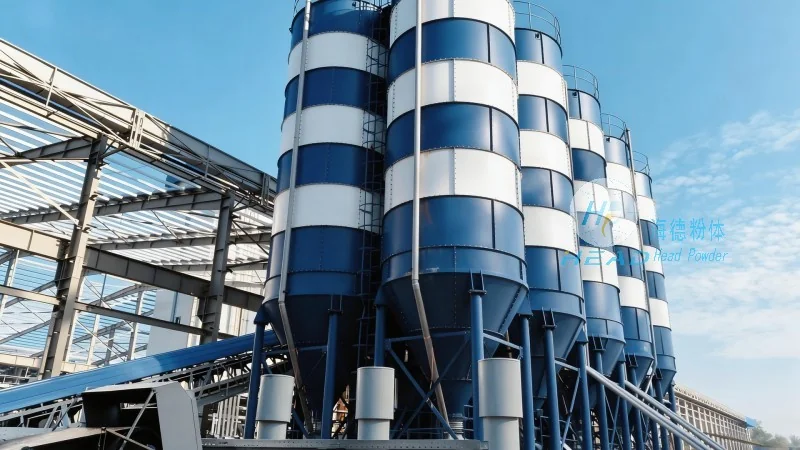
Company Overview: Shandong HeadPowder Engineering Co., Ltd.
HeadPowder, the manufacturer of this advanced pneumatic conveying system, is a leading enterprise in the field of powder handling technology. With a strong commitment to quality, innovation, and customer satisfaction, HeadPowder has established itself as a trusted provider of industrial equipment for powder processing. The company is headquartered in Shandong, China, and specializes in designing, manufacturing, and supplying high-performance pneumatic conveying solutions tailored to meet the specific needs of different industries. HeadPowder's team of experts focuses on developing reliable and durable equipment that enhances productivity and reduces operational costs for clients.
Key Components of the Pneumatic Conveying System
The polystyrene powder pneumatic conveying machine comprises several critical components that work in harmony to ensure smooth operation. These components include the hopper for material storage, the feeder to control the flow rate, the conveying line where the powder is transported, the fan or blower to generate air pressure, and the receiver for the final discharge. Each component plays a vital role in maintaining the efficiency and reliability of the system. The hopper is typically equipped with a discharge valve to regulate the powder flow, while the feeder ensures a consistent and controlled input of material into the conveying line. The conveying line is usually made of stainless steel or other corrosion-resistant materials to prevent contamination and ensure durability. The fan or blower provides the necessary air velocity to suspend the powder particles and transport them through the line. The receiver is designed to collect the powder at the destination and may include a dust collection system to prevent emissions.

Working Principle of the Pneumatic Conveying Process
The operation of the polystyrene powder pneumatic conveying equipment is based on the fundamental principle of air movement and particle suspension. When the system is activated, the fan or blower generates a high-velocity air stream within the conveying line. The polystyrene powder is then introduced into the system, typically from the hopper, and is carried along by the air stream. The air velocity is carefully controlled to ensure that the powder particles are suspended and transported without clogging or degradation. The system can operate in both positive and negative pressure modes, depending on the application requirements. In positive pressure operation, the conveying line is pressurized with air, and the powder is drawn from the source into the line. This mode is suitable for short to medium distances and when the source is at a lower elevation than the destination. In negative pressure operation, the conveying line is maintained at a lower pressure than the surrounding atmosphere, and the powder is drawn into the line from the source. This mode is ideal for long-distance conveying and when the source is at a higher elevation than the destination. The choice of mode depends on the specific application requirements and the characteristics of the polystyrene powder being handled, such as particle size, moisture content, and flowability.
Operation Process: Step-by-Step Guide
The operation process of the polystyrene powder pneumatic conveying machine involves several key steps that ensure efficient and reliable performance. First, the hopper is filled with the polystyrene powder material. The feeder is then adjusted to control the flow rate of the powder into the conveying line, typically based on the desired conveying capacity. The fan or blower is activated to generate the necessary air pressure and flow, which is monitored through the system's control panel. The powder is then introduced into the system from the hopper, and the air stream carries it through the conveying line to the receiver at the destination. The system is equipped with sensors and alarms to detect any issues, such as blockages or low air pressure, and to alert operators. The receiver is designed to collect the powder and may include a discharge valve to regulate the output. The entire process is user-friendly, with controls that allow for easy monitoring and adjustment of the conveying parameters, ensuring optimal performance and minimal downtime.

Advantages of Using Polystyrene Powder Pneumatic Conveying Equipment
There are several significant advantages to using this type of equipment for polystyrene powder handling. One of the main benefits is the ability to transport the powder over long distances without the need for mechanical components like belts or chains. This reduces maintenance costs and minimizes the risk of product contamination, as the system is fully enclosed and prevents dust emissions. Additionally, the system is highly efficient in terms of energy consumption, as it uses air as the primary medium for transportation, which is more energy-efficient compared to traditional mechanical conveying methods. The enclosed design of the system also helps to maintain a clean working environment, reducing the risk of dust-related health issues and improving overall workplace safety. Furthermore, the system can handle a wide range of powder characteristics, including different particle sizes, moisture levels, and flowability, making it versatile for various applications. The ability to operate in both positive and negative pressure modes also provides flexibility in different industrial settings, allowing for customization to meet specific operational needs.
Applications and Industries
Polystyrene powder pneumatic conveying equipment is used in a variety of industries, including plastics manufacturing, food processing, pharmaceuticals, and chemical production. In the plastics industry, it is commonly used for transporting polystyrene resin from storage to processing equipment, such as extruders or injection molding machines. The system ensures that the resin is delivered in a consistent and controlled manner, which is crucial for maintaining product quality and reducing waste. In food processing, it can be used to handle powdered food products, such as sugar or flour, ensuring that the materials are transported hygienically and efficiently. The enclosed design of the system helps to prevent contamination from external sources, maintaining the purity of the food products. In the pharmaceutical industry, the system is used to transport powdered active ingredients or excipients, ensuring that the materials are handled in a sterile and controlled environment. The ability to operate in a clean and dust-free manner makes it suitable for pharmaceutical applications where product purity is paramount. In chemical production, the system can be used to transport various powdered chemicals, such as polymers or additives, ensuring safe and efficient handling. The versatility of the system makes it suitable for a wide range of applications where fine powder handling is required, and it has become an essential part of modern industrial operations.