

What is a Cotton Powder Pneumatic Conveying Line? And What Are Its Design Principles?
For industries dealing with cotton powder, efficient and reliable material handling is crucial. A cotton powder pneumatic conveying line is a specialized system designed to transport cotton powder from one location to another using air as the conveying medium. This technology offers numerous advantages over traditional methods like belt conveyors or bucket elevators, particularly in terms of hygiene, flexibility, and reduced product contamination. Understanding the components and design principles of such a system is essential for optimizing operational efficiency and ensuring product quality. Shandong HeadPowder Engineering Co., Ltd. specializes in designing and manufacturing advanced cotton powder pneumatic conveying lines that meet the specific needs of various industries.
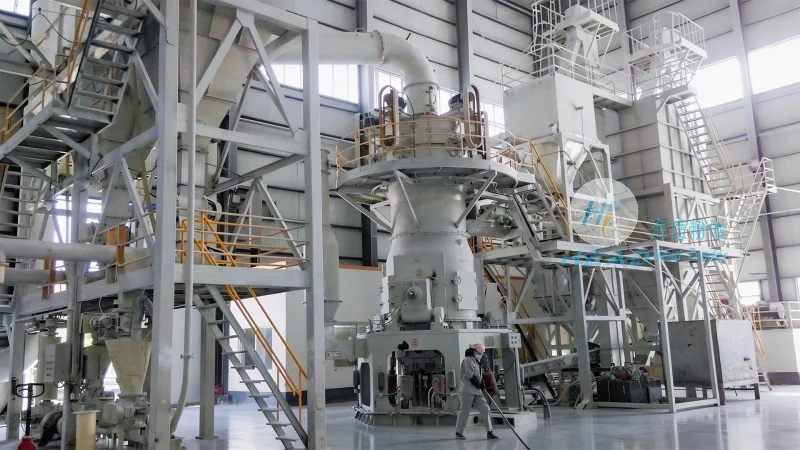
Components of a Cotton Powder Pneumatic Conveying System
The core components of a cotton powder pneumatic conveying line typically include a hopper for material storage, a feeder to control the flow of powder, a blower or air compressor to generate the air pressure, a pipeline network to transport the material, and a receiver or discharge unit where the material is deposited. Each component plays a critical role in the overall functionality of the system. The hopper ensures a consistent supply of cotton powder, while the feeder regulates the flow rate to maintain stable air pressure and prevent blockages. The blower or air compressor provides the necessary air pressure to move the powder through the pipeline. The pipeline network, often made of stainless steel or other corrosion-resistant materials, is designed to handle the abrasive nature of cotton powder and maintain air tightness. The receiver or discharge unit collects the conveyed powder and can be equipped with filters to remove any residual air or dust.

Design Principles for Efficient Cotton Powder Conveying
The design of a cotton powder pneumatic conveying line is based on several key principles to ensure optimal performance. First, the system must be designed to handle the specific properties of cotton powder, such as its particle size, moisture content, and flowability. The particle size distribution and moisture content affect the air velocity required for conveying, as well as the risk of clogging. Therefore, the design must consider these factors to determine the appropriate air pressure and flow rate. Second, the system should minimize the risk of product contamination. This is achieved by using materials that are non-reactive with the cotton powder and by incorporating filtration systems to remove any airborne particles. Third, the system should be energy-efficient and cost-effective. This involves selecting the right blower or air compressor with sufficient capacity and efficiency, and designing the pipeline network to minimize pressure losses. Fourth, the system should be flexible and adaptable to different production needs. This can be achieved by using modular components that can be easily reconfigured or expanded as production requirements change.

Advantages of Using a Cotton Powder Pneumatic Conveying Line
Implementing a cotton powder pneumatic conveying line offers several significant advantages over traditional material handling methods. One of the primary benefits is improved hygiene and cleanliness. Unlike belt conveyors, which can trap dust and particles, pneumatic systems keep the material enclosed, reducing the risk of contamination from external sources. This is particularly important in industries where product purity is critical, such as food processing or pharmaceutical manufacturing. Another advantage is the flexibility and space-saving design. Pneumatic conveying systems can be installed in tight spaces and can transport materials over long distances without the need for multiple transfer points. This makes them ideal for facilities with limited floor space or complex layouts. Additionally, the system can handle a wide range of particle sizes and flow rates, making it suitable for various cotton powder applications. The ability to control the flow rate precisely also helps in maintaining consistent product quality and reducing waste. Finally, the system is relatively low-maintenance compared to other equipment, as it has fewer moving parts and is less prone to mechanical failure.
Applications of Cotton Powder Pneumatic Conveying Systems
Cotton powder pneumatic conveying lines are widely used in various industries that process cotton powder. In the textile industry, these systems are used to transport raw cotton powder from storage silos to processing machines, such as cotton blowers or carding machines. This ensures a continuous supply of material without interruptions. In the food industry, they are used to transport cotton powder used as an ingredient in food products, such as in the production of cotton-based snacks or dietary supplements. The systems are also used in the pharmaceutical industry to transport cotton powder used in the manufacturing of cotton-based medical products, such as cotton swabs or gauze. Additionally, in the chemical industry, they are used to transport cotton powder used as a raw material in the production of various chemicals. The versatility of the system makes it suitable for a wide range of applications, from small-scale operations to large industrial facilities.

Conclusion
In conclusion, a cotton powder pneumatic conveying line is a highly effective and efficient system for transporting cotton powder. By understanding the components and design principles of such a system, industries can optimize their material handling processes, improve product quality, and reduce operational costs. The system's advantages, including hygiene, flexibility, and energy efficiency, make it a preferred choice for many applications. As technology continues to advance, the design and functionality of these systems are likely to improve, further enhancing their role in modern industrial operations.