

What is a Polysilicon Pneumatic Conveying System? And What Are Its Design Principles?
Polysilicon, a critical material in the semiconductor industry, requires efficient and reliable transportation systems to ensure quality and safety during processing. The polysilicon pneumatic conveying system is a specialized equipment designed to handle this material with precision. This article explores the concept of such a system and delves into its fundamental design principles, highlighting the technology behind it and its importance in industrial applications.

Introduction to Polysilicon Pneumatic Conveying Equipment
Polysilicon, also known as polycrystalline silicon, is a high-purity silicon material used extensively in the production of solar cells and semiconductor devices. Its handling demands strict control over particle size, moisture content, and contamination to maintain product quality. Traditional methods like bucket elevators or belt conveyors may not be suitable due to the material's sensitivity and the need for a dust-free environment. The polysilicon pneumatic conveying system addresses these challenges by using air as the conveying medium, enabling a closed-loop, low-dust, and high-precision transport process.
About Shandong HeadPowder Engineering Co., Ltd.
Shandong HeadPowder Engineering Co., Ltd., commonly known as HeadPowder, is a leading manufacturer specializing in powder and bulk material handling solutions. With a focus on innovation and quality, the company has developed advanced pneumatic conveying systems tailored for the semiconductor and solar industries. HeadPowder's expertise lies in designing equipment that meets the stringent requirements of polysilicon processing, ensuring efficient material transport while maintaining product integrity. The company is headquartered in Shandong, China, and serves clients globally with customized solutions for their material handling needs.
Design Principles of Polysilicon Pneumatic Conveying Systems
The design of a polysilicon pneumatic conveying system is based on several key principles to ensure optimal performance and reliability. The system typically consists of a series of components including a material hopper, a conveying line, a dust collector, and a control system. The material is fed into the hopper, where it is pneumatically transported through the line using compressed air. The design must consider factors such as material flow rate, air pressure, and particle size distribution to prevent blockages and ensure smooth operation.
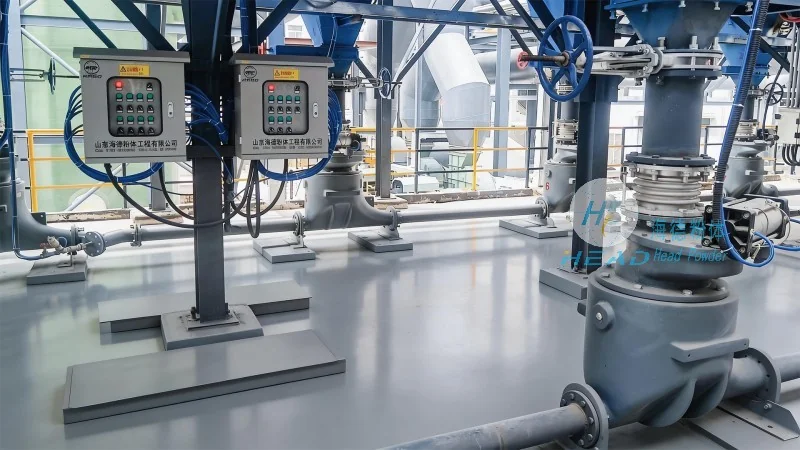
One of the critical design aspects is the selection of appropriate air velocity. The air velocity must be high enough to lift and transport the polysilicon particles but low enough to avoid excessive wear on the system components and minimize dust generation. The conveying line is often made of materials resistant to corrosion and abrasion, such as stainless steel or special alloys, to withstand the high-purity environment and the abrasive nature of the material. Additionally, the system incorporates features like pulse-jet cleaning and filtration to maintain air quality and prevent contamination of the polysilicon.
Key Components and Their Functions
The polysilicon pneumatic conveying system comprises several essential components, each playing a vital role in the overall operation. The material hopper is designed to store the polysilicon and provide a controlled feed to the conveying line. It may include a rotary valve or a star feeder to regulate the material flow and prevent backflow. The conveying line is the main channel through which the material is transported, often equipped with bends and elbows that are carefully designed to minimize pressure loss and prevent particle segregation. The dust collector is crucial for capturing any airborne particles, ensuring that the system operates in a clean environment and preventing contamination of the material.
The control system manages the operation of the entire conveying process, monitoring parameters like air pressure, flow rate, and material level. It may include sensors and automation controls to adjust the system settings in real-time, optimizing performance and preventing operational issues. The system also incorporates safety features such as pressure relief valves and emergency shut-off mechanisms to protect against overpressure and other hazards.
Advantages of Polysilicon Pneumatic Conveying Systems
Compared to traditional conveying methods, the polysilicon pneumatic conveying system offers several advantages that make it ideal for handling this sensitive material. Firstly, it provides a closed-loop operation, which reduces dust exposure and minimizes the risk of contamination. This is critical in semiconductor and solar manufacturing, where even trace contaminants can affect product performance. Secondly, the system allows for precise control over material flow, ensuring consistent quality and preventing overloading or underloading of processing equipment.

Another advantage is the ability to transport materials over long distances without the need for multiple transfer points or intermediate storage. This reduces the overall system complexity and maintenance requirements. The system also offers flexibility in terms of layout, as the conveying line can be installed in various configurations to suit the specific needs of the facility. Additionally, the use of compressed air as the conveying medium allows for easy integration with other processing equipment, enabling seamless material transfer throughout the production line.
Applications and Industry Impact
Polysilicon pneumatic conveying systems are widely used in the semiconductor and solar industries, where efficient material handling is essential for maintaining high production rates and product quality. The systems are employed in various stages of polysilicon processing, including raw material transport from storage to processing lines, intermediate product transfer between different equipment, and final product packaging. By ensuring reliable and clean transport of polysilicon, these systems contribute to the overall efficiency and profitability of manufacturing operations.
In the context of the global semiconductor and renewable energy markets, the demand for polysilicon is growing, driving the need for advanced material handling solutions. The polysilicon pneumatic conveying system, with its ability to handle high-purity materials with precision, plays a vital role in meeting these demands. Manufacturers like Shandong HeadPowder Engineering Co., Ltd. continue to innovate and improve these systems, enhancing their performance and reliability to support the evolving needs of the industry.