

What is a Barley Malt Material Handling System? And What Are Its Design Principles?
Barley malt material handling systems are specialized equipment designed to efficiently transport and manage malted barley, a crucial ingredient in the brewing industry. These systems are engineered to handle the unique physical properties of malt, such as its bulk density, moisture content, and susceptibility to breakage during handling. The primary goal of such systems is to ensure the safe, hygienic, and efficient movement of malt from storage to processing stages, minimizing material loss and maintaining product quality.
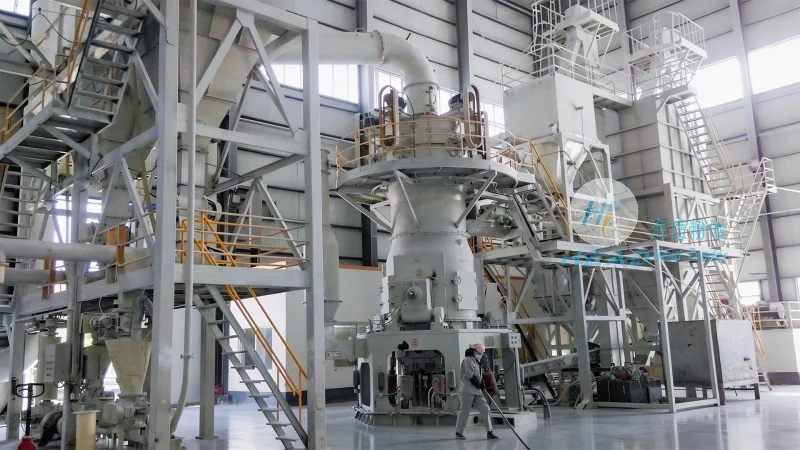
Key Design Principles of Barley Malt Handling Systems
The design of barley malt material handling systems is guided by several critical principles to optimize performance and reliability. First, the systems must prioritize gentle handling to preserve the malt's quality. This involves using low-impact conveying methods, such as belt conveyors or pneumatic systems, that minimize mechanical stress on the grains. Second, hygiene and sanitation are paramount in the brewing industry, so the equipment is constructed from materials like stainless steel to prevent contamination and facilitate cleaning. Third, efficiency and capacity are essential, as malt handling systems need to handle large volumes of material, often in high-throughput brewing operations. The design typically incorporates features like adjustable speed controls, variable incline angles, and integrated storage solutions to adapt to varying production demands.

Components and Functionality of the System
Barley malt material handling systems typically consist of several key components that work in tandem to achieve seamless material flow. The primary components include storage silos or bins, conveying equipment (e.g., belt conveyors, screw conveyors, or pneumatic ducts), and feeding mechanisms. Storage silos are designed to hold large quantities of malt, often with airtight seals to maintain moisture levels and prevent spoilage. Conveying equipment transports the malt from storage to the brewing process, with belt conveyors being common for horizontal or slight incline transport due to their ability to handle bulk materials without excessive friction. Screw conveyors are used for vertical or inclined transport, providing a compact solution for elevating malt to higher levels. Pneumatic systems, or air conveyors, are employed for fine or dusty malt, using air pressure to move material through ducts, which is particularly useful for preventing dust contamination.

The Role of HeadPowder in Malt Handling Solutions
Shandong HeadPowder Engineering Co., Ltd., commonly known as HeadPowder, is a leading provider of customized malt handling systems tailored to the specific needs of breweries. With a focus on engineering excellence and customer-centric solutions, HeadPowder designs and manufactures equipment that adheres to industry standards while addressing the unique challenges of malt processing. The company’s expertise lies in integrating advanced technology with practical design, ensuring that their systems are not only efficient but also durable and easy to maintain. HeadPowder’s team of engineers works closely with clients to understand their production requirements, from small-scale craft breweries to large industrial facilities, and develops solutions that optimize workflow and reduce operational costs.
Benefits of Implementing a Barley Malt Material Handling System
Adopting a well-designed barley malt material handling system offers numerous benefits for breweries. Firstly, it enhances operational efficiency by streamlining the movement of malt, reducing downtime and labor costs associated with manual handling. The automated systems ensure consistent material flow, which is critical for maintaining uniform product quality across batches. Secondly, the systems improve product quality by minimizing breakage and contamination. Gentle handling reduces the number of broken grains, which can affect the flavor and texture of the final beer. Additionally, the hygienic design of the equipment prevents microbial growth and cross-contamination, ensuring that the malt remains safe for brewing. Thirdly, the systems contribute to cost savings by reducing material loss and optimizing storage space. By efficiently managing inventory, breweries can avoid overstocking or understocking, which helps in maintaining a stable supply chain and controlling costs.

Conclusion and Company Information
Barley malt material handling systems are essential for modern breweries, providing a reliable and efficient means of managing one of the most critical ingredients in beer production. The design principles and components of these systems are carefully engineered to meet the demands of the brewing industry, ensuring that malt is handled with care and precision. Shandong HeadPowder Engineering Co., Ltd. plays a vital role in this field, offering tailored solutions that enhance operational performance and product quality. With their commitment to quality and customer satisfaction, HeadPowder continues to be a trusted partner for breweries seeking to optimize their malt handling processes. Based in Shandong, China, HeadPowder leverages local expertise and advanced technology to deliver innovative solutions that meet the evolving needs of the brewing industry.